Business News of 2026-09-01
Tarkwa lease uncertainty puts 15% of Gold Fields' output at risk - Report
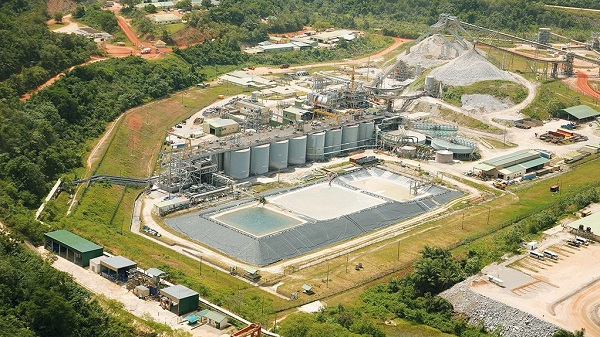 Uncertainty over the renewal of Gold Fields’ mining leases at Tarkwa has placed an operation accounting for about 15% of the group’s global gold production under increasing scrutiny, with less than eight months remaining before five of the mine’s leases expire.
Tarkwa produced approximately 192,000 ounces of gold in the first half of 2026, making it Gold Fields’ second-largest producing mine during the period and accounting for about 15% of the group’s total output of 1.267 million ounces.
The mine also generated US$278.5 million in adjusted free cash flow during the first half, up 35% from US$206.5 million a year earlier, despite production declining 18%. Higher gold prices helped lift cash generation even as output weakened.
The lease decision therefore carries material production and earnings implications for Gold Fields.
Five mining leases covering the Tarkwa property are due to expire in April 2027. Gold Fields submitted its renewal application in November 2025 and followed it with a commercial proposal to government in July, but no final agreement has been announced.
The company is seeking a 25-year renewal and has linked continued operation of the mine to about US$6 billion in future investment over the extended period.
Gold Fields Chief Executive Officer Mike Fraser said the uncertainty surrounding the renewal is already affecting investor perceptions of the company, with Tarkwa being discounted in the group’s valuation.
“We think that the market has largely discounted that asset now in our portfolio,” he said, arguing that an early resolution would benefit both sides.
Tarkwa also retains substantial reserves capable of supporting production beyond the existing lease period
Managed mineral reserves increased to 7.4 million ounces in 2025 from 4.3 million ounces in 2024, representing an increase of about 72%, while managed mineral resources rose to approximately 11.2 million ounces from 8.9 million ounces.
Gold Fields’ attributable share, after accounting for government’s 10% free-carried interest, stands at 6.6 million ounces of reserves and 10 million ounces of resources.
Gold Fields owns 90% of Tarkwa, with the Government of Ghana holding the remaining 10% free-carried interest.
The company has also offered increased value-sharing with Ghana under its latest proposal, including measures aimed at increasing local participation, community benefits, procurement opportunities and the mine’s long-term contribution to the economy.
Minerals Commission Chief Executive Officer Isaac Andrews Tandoh has said the company must present its development plans as part of the renewal process, while rejecting suggestions that government is deliberately delaying a decision.
The negotiations also carry implications for Tarkwa’s future fiscal terms. Gold Fields’ existing Development Agreement protects the mine from Ghana’s new sliding-scale gold royalty regime until April 2027. The new royalty structure, which took effect in March, ranges from 5 to 12% depending on international gold prices.
The terms agreed for the next lease period could therefore affect not only the duration of Gold Fields’ operations but also the fiscal conditions under which millions of ounces of remaining reserves are developed.
The negotiations have taken on added significance following Gold Fields’ exit from the nearby Damang mine in April 2026 after the expiration of the one-year extension granted by government.
Ownership of Damang was formally transferred to the Government of Ghana on April 18, ending Gold Fields’ operation of the asset.
Gold Fields has indicated it could pursue other options if negotiations with government fail to produce an agreement on Tarkwa.
Fraser said the company could pursue legal options available to it if necessary, although litigation would remain a last resort.
“This is the last option that we will pursue,” he said, adding that the company needed to make clear to shareholders that it would use available avenues to protect value if required.
The lease uncertainty is unfolding against stronger group earnings.
Gold Fields’ production increased 12% to 1.267 million ounces in the first half of 2026, while headline earnings per share rose to US$2.08 from US$1.15 a year earlier. The miner maintained full-year production guidance of between 2.4 million and 2.6 million ounces.
At Tarkwa, first-half production fell 18 percent to 191,900 ounces on lower mill-feed grades, grade reconciliation challenges and adverse weather. All-in sustaining costs rose 31% to US$2,671 per ounce, while capital expenditure increased 43% to US$168.6 million.
Despite the weaker production, adjusted free cash flow increased to US$278.5 million, demonstrating the mine’s continued financial contribution to the group.
Local pressure for a decision has also increased, with hundreds of Tarkwa residents demonstrating on Friday in support of renewing the leases, citing employment and the mine’s contribution to communities in the area.
Tarkwa’s 192,000-ounce first-half production means roughly one in every seven ounces produced by Gold Fields during the period came from the Ghana operation, while its enlarged reserve base provides scope for production well beyond the current lease period.
Continued uncertainty over the renewal leaves a sizeable portion of Gold Fields’ production and cash generation tied to negotiations with the Ghanaian government.
With five leases approaching expiry in April 2027, the terms eventually agreed will determine the future of an asset currently responsible for about 15% of Gold Fields’ global production and nearly US$279 million in first-half adjusted free cash flow.
Uncertainty over the renewal of Gold Fields’ mining leases at Tarkwa has placed an operation accounting for about 15% of the group’s global gold production under increasing scrutiny, with less than eight months remaining before five of the mine’s leases expire.
Tarkwa produced approximately 192,000 ounces of gold in the first half of 2026, making it Gold Fields’ second-largest producing mine during the period and accounting for about 15% of the group’s total output of 1.267 million ounces.
The mine also generated US$278.5 million in adjusted free cash flow during the first half, up 35% from US$206.5 million a year earlier, despite production declining 18%. Higher gold prices helped lift cash generation even as output weakened.
The lease decision therefore carries material production and earnings implications for Gold Fields.
Five mining leases covering the Tarkwa property are due to expire in April 2027. Gold Fields submitted its renewal application in November 2025 and followed it with a commercial proposal to government in July, but no final agreement has been announced.
The company is seeking a 25-year renewal and has linked continued operation of the mine to about US$6 billion in future investment over the extended period.
Gold Fields Chief Executive Officer Mike Fraser said the uncertainty surrounding the renewal is already affecting investor perceptions of the company, with Tarkwa being discounted in the group’s valuation.
“We think that the market has largely discounted that asset now in our portfolio,” he said, arguing that an early resolution would benefit both sides.
Tarkwa also retains substantial reserves capable of supporting production beyond the existing lease period
Managed mineral reserves increased to 7.4 million ounces in 2025 from 4.3 million ounces in 2024, representing an increase of about 72%, while managed mineral resources rose to approximately 11.2 million ounces from 8.9 million ounces.
Gold Fields’ attributable share, after accounting for government’s 10% free-carried interest, stands at 6.6 million ounces of reserves and 10 million ounces of resources.
Gold Fields owns 90% of Tarkwa, with the Government of Ghana holding the remaining 10% free-carried interest.
The company has also offered increased value-sharing with Ghana under its latest proposal, including measures aimed at increasing local participation, community benefits, procurement opportunities and the mine’s long-term contribution to the economy.
Minerals Commission Chief Executive Officer Isaac Andrews Tandoh has said the company must present its development plans as part of the renewal process, while rejecting suggestions that government is deliberately delaying a decision.
The negotiations also carry implications for Tarkwa’s future fiscal terms. Gold Fields’ existing Development Agreement protects the mine from Ghana’s new sliding-scale gold royalty regime until April 2027. The new royalty structure, which took effect in March, ranges from 5 to 12% depending on international gold prices.
The terms agreed for the next lease period could therefore affect not only the duration of Gold Fields’ operations but also the fiscal conditions under which millions of ounces of remaining reserves are developed.
The negotiations have taken on added significance following Gold Fields’ exit from the nearby Damang mine in April 2026 after the expiration of the one-year extension granted by government.
Ownership of Damang was formally transferred to the Government of Ghana on April 18, ending Gold Fields’ operation of the asset.
Gold Fields has indicated it could pursue other options if negotiations with government fail to produce an agreement on Tarkwa.
Fraser said the company could pursue legal options available to it if necessary, although litigation would remain a last resort.
“This is the last option that we will pursue,” he said, adding that the company needed to make clear to shareholders that it would use available avenues to protect value if required.
The lease uncertainty is unfolding against stronger group earnings.
Gold Fields’ production increased 12% to 1.267 million ounces in the first half of 2026, while headline earnings per share rose to US$2.08 from US$1.15 a year earlier. The miner maintained full-year production guidance of between 2.4 million and 2.6 million ounces.
At Tarkwa, first-half production fell 18 percent to 191,900 ounces on lower mill-feed grades, grade reconciliation challenges and adverse weather. All-in sustaining costs rose 31% to US$2,671 per ounce, while capital expenditure increased 43% to US$168.6 million.
Despite the weaker production, adjusted free cash flow increased to US$278.5 million, demonstrating the mine’s continued financial contribution to the group.
Local pressure for a decision has also increased, with hundreds of Tarkwa residents demonstrating on Friday in support of renewing the leases, citing employment and the mine’s contribution to communities in the area.
Tarkwa’s 192,000-ounce first-half production means roughly one in every seven ounces produced by Gold Fields during the period came from the Ghana operation, while its enlarged reserve base provides scope for production well beyond the current lease period.
Continued uncertainty over the renewal leaves a sizeable portion of Gold Fields’ production and cash generation tied to negotiations with the Ghanaian government.
With five leases approaching expiry in April 2027, the terms eventually agreed will determine the future of an asset currently responsible for about 15% of Gold Fields’ global production and nearly US$279 million in first-half adjusted free cash flow.

