Business News of 2026-09-01
Gas shortage forces 3.1 million barrel fuel purchase
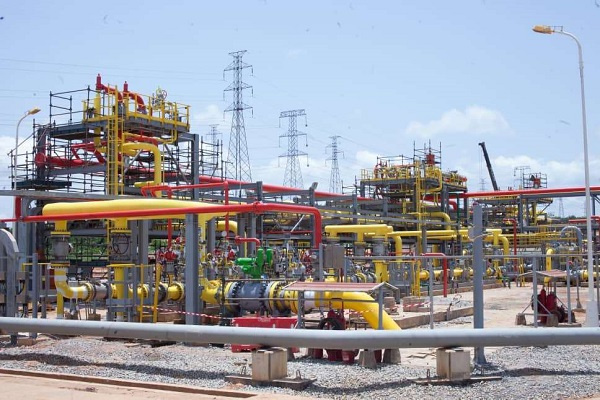 Ghana’s power plants consumed more than 3.1 million barrels of liquid fuels in 2025 as gas supply constraints and stronger electricity demand forced thermal generators to increase their reliance on more expensive alternative fuels to keep the power system running.
The Energy Commission’s 2026 Energy Outlook shows that total liquid-fuel consumption by thermal plants reached 3,092,066 barrels, comprising 1.53 million barrels of light crude oil (LCO), 1.04 million barrels of heavy fuel oil (HFO) and 520,033 barrels of diesel fuel oil (DFO).
The heavy reliance on liquid fuels increased Ghana’s exposure to higher electricity-generation costs, given the substantial cost advantage natural gas holds over LCO and other petroleum-based fuels used by thermal plants.
Natural-gas consumption for electricity generation reached 143.41 million MMBtu in 2025, 5.3 percent below projected levels, leaving generators to make up part of the fuel requirement with liquid alternatives.
The fuel pressure was compounded by electricity demand expanding faster than anticipated.
Peak electricity demand climbed 8.4 percent to 4,283 megawatts, exceeding the Energy Commission’s base-case forecast by 3.8 percent, while total electricity consumption, including losses, increased 9.3 percent to 27,015 gigawatt-hours.
The combination of stronger demand and weaker hydro generation increased the burden on Ghana’s thermal power fleet.
Hydro generation declined 11.5 percent compared with 2024 following reduced inflows, while thermal generation jumped 23.7 percent and supplied 66.8 percent of electricity generated during the year. Hydro’s contribution fell to 32.4 percent.
This left about two-thirds of Ghana’s electricity supply reliant on the availability and cost of fuels needed to operate thermal plants.
Natural gas remains the preferred fuel for much of Ghana’s thermal generation, with LCO, HFO and DFO providing alternatives when adequate gas is unavailable. The Energy Commission said the increased use of the more expensive liquid alternatives had significant implications for overall fuel costs.
The scale of the substitution was particularly visible in HFO consumption.
The Commission had projected about 344,387 barrels of HFO for the AKSA plant in its 2025 outlook. Actual HFO consumption across the thermal system reached 1.04 million barrels, alongside another 1.53 million barrels of LCO and more than half a million barrels of DFO.
The liquid-fuel requirement adds to the financial pressure already confronting Ghana’s electricity sector, where the cost of power purchases, fuel, distribution losses and revenue under-collection continue to generate substantial funding requirements.
The IMF estimated the energy-sector financing shortfall could have reached about US$2.2 billion in 2025 without corrective measures, with expensive liquid-fuel generation among the factors increasing the cost of supplying electricity.
Government has since intensified efforts to increase gas availability and reduce the amount of liquid fuel required by thermal generators.
Government says increased use of domestic natural gas in place of liquid fuels generated about GH¢3.08 billion, equivalent to US$268.5 million, in fuel-cost savings during the first half of 2026.
That provides a clearer indication of the financial burden associated with Ghana’s dependence on liquid fuels whenever gas supplies are inadequate.
Additional domestic gas is consequently becoming increasingly important to the government’s attempt to reduce the power sector’s financing requirement.
Gas-processing capacity from the Offshore Cape Three Points partners has been expanded, while additional supplies from the Jubilee and TEN fields are expected to increase the volume of domestic gas available for electricity generation.
Government is also pursuing a second gas-processing plant and additional supply arrangements aimed at replacing more imported liquid fuel with domestically produced gas.
The potential savings are substantial. Government estimates that replacing LCO with domestic natural gas can reduce the associated generation fuel cost by as much as 75 percent.
The higher reliance on thermal generation also increases foreign-exchange demand, as part of the liquid fuel used by power plants must be imported and paid for in foreign currency.
Reducing that requirement would therefore cut both generation costs and the amount of foreign exchange needed to maintain thermal electricity production.
The 3.1 million barrels consumed in 2025 show the scale of that exposure.
With thermal plants now generating roughly two-thirds of Ghana’s electricity, securing adequate and reliable gas supply has become increasingly important to controlling generation costs and preventing expensive liquid fuels from adding further pressure to the power sector’s finances
Ghana’s power plants consumed more than 3.1 million barrels of liquid fuels in 2025 as gas supply constraints and stronger electricity demand forced thermal generators to increase their reliance on more expensive alternative fuels to keep the power system running.
The Energy Commission’s 2026 Energy Outlook shows that total liquid-fuel consumption by thermal plants reached 3,092,066 barrels, comprising 1.53 million barrels of light crude oil (LCO), 1.04 million barrels of heavy fuel oil (HFO) and 520,033 barrels of diesel fuel oil (DFO).
The heavy reliance on liquid fuels increased Ghana’s exposure to higher electricity-generation costs, given the substantial cost advantage natural gas holds over LCO and other petroleum-based fuels used by thermal plants.
Natural-gas consumption for electricity generation reached 143.41 million MMBtu in 2025, 5.3 percent below projected levels, leaving generators to make up part of the fuel requirement with liquid alternatives.
The fuel pressure was compounded by electricity demand expanding faster than anticipated.
Peak electricity demand climbed 8.4 percent to 4,283 megawatts, exceeding the Energy Commission’s base-case forecast by 3.8 percent, while total electricity consumption, including losses, increased 9.3 percent to 27,015 gigawatt-hours.
The combination of stronger demand and weaker hydro generation increased the burden on Ghana’s thermal power fleet.
Hydro generation declined 11.5 percent compared with 2024 following reduced inflows, while thermal generation jumped 23.7 percent and supplied 66.8 percent of electricity generated during the year. Hydro’s contribution fell to 32.4 percent.
This left about two-thirds of Ghana’s electricity supply reliant on the availability and cost of fuels needed to operate thermal plants.
Natural gas remains the preferred fuel for much of Ghana’s thermal generation, with LCO, HFO and DFO providing alternatives when adequate gas is unavailable. The Energy Commission said the increased use of the more expensive liquid alternatives had significant implications for overall fuel costs.
The scale of the substitution was particularly visible in HFO consumption.
The Commission had projected about 344,387 barrels of HFO for the AKSA plant in its 2025 outlook. Actual HFO consumption across the thermal system reached 1.04 million barrels, alongside another 1.53 million barrels of LCO and more than half a million barrels of DFO.
The liquid-fuel requirement adds to the financial pressure already confronting Ghana’s electricity sector, where the cost of power purchases, fuel, distribution losses and revenue under-collection continue to generate substantial funding requirements.
The IMF estimated the energy-sector financing shortfall could have reached about US$2.2 billion in 2025 without corrective measures, with expensive liquid-fuel generation among the factors increasing the cost of supplying electricity.
Government has since intensified efforts to increase gas availability and reduce the amount of liquid fuel required by thermal generators.
Government says increased use of domestic natural gas in place of liquid fuels generated about GH¢3.08 billion, equivalent to US$268.5 million, in fuel-cost savings during the first half of 2026.
That provides a clearer indication of the financial burden associated with Ghana’s dependence on liquid fuels whenever gas supplies are inadequate.
Additional domestic gas is consequently becoming increasingly important to the government’s attempt to reduce the power sector’s financing requirement.
Gas-processing capacity from the Offshore Cape Three Points partners has been expanded, while additional supplies from the Jubilee and TEN fields are expected to increase the volume of domestic gas available for electricity generation.
Government is also pursuing a second gas-processing plant and additional supply arrangements aimed at replacing more imported liquid fuel with domestically produced gas.
The potential savings are substantial. Government estimates that replacing LCO with domestic natural gas can reduce the associated generation fuel cost by as much as 75 percent.
The higher reliance on thermal generation also increases foreign-exchange demand, as part of the liquid fuel used by power plants must be imported and paid for in foreign currency.
Reducing that requirement would therefore cut both generation costs and the amount of foreign exchange needed to maintain thermal electricity production.
The 3.1 million barrels consumed in 2025 show the scale of that exposure.
With thermal plants now generating roughly two-thirds of Ghana’s electricity, securing adequate and reliable gas supply has become increasingly important to controlling generation costs and preventing expensive liquid fuels from adding further pressure to the power sector’s finances

