Business News of 2026-09-01
Ghana's power demand grows faster than projected - Report
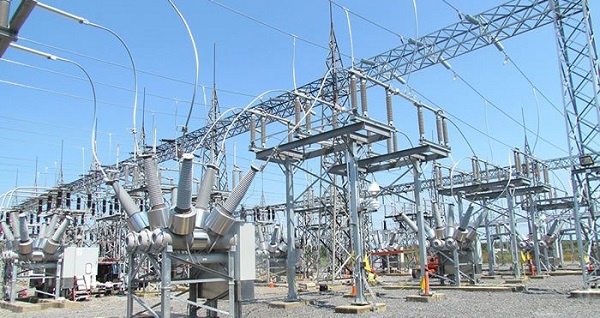 Ghana’s electricity demand is expanding faster than anticipated in national power-sector planning, with consumption and peak load exceeding the Energy Commission’s base-case projections in 2025 and raising the requirement for generation, fuel and grid investment.
The Energy Commission’s 2026 Energy Outlook shows that peak electricity demand reached 4,283 megawatts (MW) in 2025, 3.8% above the Base Case forecast and 8.4%
higher than in 2024.
Total electricity consumption, including system losses, also jumped 9.3% to 27,015 gigawatt-hours (GWh), with demand consistently tracking the Commission’s High Case rather than the central scenario around which expected power requirements were assessed.
The stronger-than-projected demand was broad-based. ECG, NEDCo and mining customers all consumed more electricity than projected, while exports and system losses also moved towards the High Case, indicating that the deviation was not confined to a single segment of the electricity market.
The numbers point to a growing pressure for power-sector planning: Ghana is requiring more electricity, and requiring it faster, than envisaged under the Commission’s central demand assumptions.
Peak demand increased by more than 330MW in a single year, while the 3.8% overshoot means actual peak requirement was roughly 157MW above the Base Case.
This additional load must be matched by generating units capable of producing the electricity, sufficient fuel to operate thermal plants and adequate transmission and distribution capacity to deliver the power to customers.
The pressure becomes more critical because installed generation capacity does not translate directly into power available at every point in time. Maintenance, plant outages, fuel availability and transmission constraints can reduce the amount of capacity available to meet demand, making the speed of load growth an important consideration in maintaining adequate reserve margins.
Thermal generation increased 23.7% and accounted for 66.8% of electricity generated, while hydro generation declined 11.5% following reduced inflows and supplied 32.4%. Renewable generation contributed 0.8%.
That meant roughly two out of every three units of electricity generated came from thermal plants, increasing the importance of securing sufficient and competitively priced fuel as electricity consumption rises.
Gas availability, however, also fell below expectations during the year. Natural-gas consumption for power generation reached 143.41 million MMBtu, 5.3% below projected requirements, contributing to increased reliance on liquid fuels.
The combination of stronger-than-projected demand and fuel constraints demonstrates that the risk is not simply adding generating capacity. Additional electricity demand has to be backed by reliable fuel supply and sufficient network investment if it is to be met without increasing operating costs or weakening supply reliability.
The transmission network is already carrying heavier volumes of electricity, while efficiency remains another concern. Monthly transmission losses fluctuated between 3.7% and 4.5% in 2025, frequently exceeding the Public Utilities Regulatory Commission’s 4.1% benchmark.
Sustained demand growth will consequently require GRIDCo to strengthen transmission capacity in areas where load is expanding, while ECG and NEDCo will need sufficient substations, transformers and distribution lines to accommodate additional electricity moving through the network.
The increase in electricity consumption can also provide an indication of stronger activity across parts of the economy, particularly where additional demand is coming from industrial, commercial and mining customers.
But the pace of growth relative to projections is what carries the bigger implication for the electricity industry.
An 8.4% increase in peak demand means generation and network requirements can rise considerably within a relatively short period. If demand continues to track closer to the High Case, some investments originally planned against lower demand assumptions could have to be accelerated.
The higher fuel requirement adds to financing pressures in a power sector that continues to require substantial fiscal support. The IMF estimates the sector’s revenue-cost shortfall at US$1.1 billion in 2026, down from US$1.4 billion in 2025.
The additional investment required to keep capacity ahead of demand will therefore have to be accommodated while government continues efforts to reduce existing sector losses, improve ECG collections and contain generation costs.
It also raises the importance of accurate demand forecasting. Generation additions, gas requirements, transmission upgrades and distribution investment require significant capital and long lead times, making persistent deviations from central forecasts capable of creating capacity pressure before new infrastructure can be delivered.
The Energy Commission’s finding that demand consistently tracked its High Case in 2025 therefore provides an important signal for future power planning.
The Commission produces the Energy Outlook as part of its statutory planning mandate, assessing historical sector performance and projecting the supply and demand requirements needed to guide the electricity industry.
As electricity demand peaked at 4,283MW and annual electricity consumption above 27,000GWh, the immediate requirement is increasingly shifting from having sufficient installed capacity on paper to ensuring that generation, fuel supply and grid investment expand fast enough to meet the actual pace of electricity demand.
If consumption continues to run closer to the High Case than the Base Case, Ghana’s power-sector investment plans will have to increasingly reflect that faster growth trajectory to prevent demand from outrunning the infrastructure required to serve it.
Ghana’s electricity demand is expanding faster than anticipated in national power-sector planning, with consumption and peak load exceeding the Energy Commission’s base-case projections in 2025 and raising the requirement for generation, fuel and grid investment.
The Energy Commission’s 2026 Energy Outlook shows that peak electricity demand reached 4,283 megawatts (MW) in 2025, 3.8% above the Base Case forecast and 8.4%
higher than in 2024.
Total electricity consumption, including system losses, also jumped 9.3% to 27,015 gigawatt-hours (GWh), with demand consistently tracking the Commission’s High Case rather than the central scenario around which expected power requirements were assessed.
The stronger-than-projected demand was broad-based. ECG, NEDCo and mining customers all consumed more electricity than projected, while exports and system losses also moved towards the High Case, indicating that the deviation was not confined to a single segment of the electricity market.
The numbers point to a growing pressure for power-sector planning: Ghana is requiring more electricity, and requiring it faster, than envisaged under the Commission’s central demand assumptions.
Peak demand increased by more than 330MW in a single year, while the 3.8% overshoot means actual peak requirement was roughly 157MW above the Base Case.
This additional load must be matched by generating units capable of producing the electricity, sufficient fuel to operate thermal plants and adequate transmission and distribution capacity to deliver the power to customers.
The pressure becomes more critical because installed generation capacity does not translate directly into power available at every point in time. Maintenance, plant outages, fuel availability and transmission constraints can reduce the amount of capacity available to meet demand, making the speed of load growth an important consideration in maintaining adequate reserve margins.
Thermal generation increased 23.7% and accounted for 66.8% of electricity generated, while hydro generation declined 11.5% following reduced inflows and supplied 32.4%. Renewable generation contributed 0.8%.
That meant roughly two out of every three units of electricity generated came from thermal plants, increasing the importance of securing sufficient and competitively priced fuel as electricity consumption rises.
Gas availability, however, also fell below expectations during the year. Natural-gas consumption for power generation reached 143.41 million MMBtu, 5.3% below projected requirements, contributing to increased reliance on liquid fuels.
The combination of stronger-than-projected demand and fuel constraints demonstrates that the risk is not simply adding generating capacity. Additional electricity demand has to be backed by reliable fuel supply and sufficient network investment if it is to be met without increasing operating costs or weakening supply reliability.
The transmission network is already carrying heavier volumes of electricity, while efficiency remains another concern. Monthly transmission losses fluctuated between 3.7% and 4.5% in 2025, frequently exceeding the Public Utilities Regulatory Commission’s 4.1% benchmark.
Sustained demand growth will consequently require GRIDCo to strengthen transmission capacity in areas where load is expanding, while ECG and NEDCo will need sufficient substations, transformers and distribution lines to accommodate additional electricity moving through the network.
The increase in electricity consumption can also provide an indication of stronger activity across parts of the economy, particularly where additional demand is coming from industrial, commercial and mining customers.
But the pace of growth relative to projections is what carries the bigger implication for the electricity industry.
An 8.4% increase in peak demand means generation and network requirements can rise considerably within a relatively short period. If demand continues to track closer to the High Case, some investments originally planned against lower demand assumptions could have to be accelerated.
The higher fuel requirement adds to financing pressures in a power sector that continues to require substantial fiscal support. The IMF estimates the sector’s revenue-cost shortfall at US$1.1 billion in 2026, down from US$1.4 billion in 2025.
The additional investment required to keep capacity ahead of demand will therefore have to be accommodated while government continues efforts to reduce existing sector losses, improve ECG collections and contain generation costs.
It also raises the importance of accurate demand forecasting. Generation additions, gas requirements, transmission upgrades and distribution investment require significant capital and long lead times, making persistent deviations from central forecasts capable of creating capacity pressure before new infrastructure can be delivered.
The Energy Commission’s finding that demand consistently tracked its High Case in 2025 therefore provides an important signal for future power planning.
The Commission produces the Energy Outlook as part of its statutory planning mandate, assessing historical sector performance and projecting the supply and demand requirements needed to guide the electricity industry.
As electricity demand peaked at 4,283MW and annual electricity consumption above 27,000GWh, the immediate requirement is increasingly shifting from having sufficient installed capacity on paper to ensuring that generation, fuel supply and grid investment expand fast enough to meet the actual pace of electricity demand.
If consumption continues to run closer to the High Case than the Base Case, Ghana’s power-sector investment plans will have to increasingly reflect that faster growth trajectory to prevent demand from outrunning the infrastructure required to serve it.

