Business News of 2026-09-02
Poor road maintenance is increasing transport costs in Ghana - World Bank
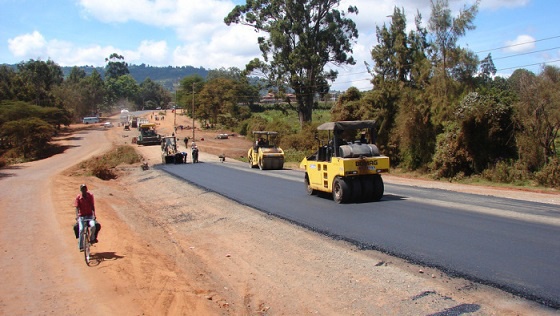 Only 58% of road-user-charge collections in Ghana is being transferred to road maintenance, leaving the country with a funding problem as more than half of its 94,200-kilometre road network remains in fair or poor condition.
The World Bank’s 10th Ghana Economic Update says inadequate maintenance has contributed to the deterioration of the road network, increasing the amount government will eventually have to spend on rehabilitation.
Government is also spending heavily on new roads and major rehabilitation works while maintenance of the existing network remains underfunded.
According to the World Bank, the Road Fund currently transfers only 58% of road-user-charge collections to maintenance activities, despite the need for regular funding to preserve existing roads.
Only about 27% of Ghana’s road network is paved, while more than half is classified as being in fair or poor condition.
Feeder roads are in worse condition. They account for more than half of the national network, with over 60% rated fair or poor.
The condition of feeder roads has direct consequences for the movement of agricultural produce because they connect many farming communities to markets, processing centers and major trunk roads.
Poor roads increase travel times and vehicle operating costs and make the movement of food and other goods more expensive. Delayed maintenance can also allow roads that require relatively minor repairs to deteriorate to the point where government has to undertake more expensive rehabilitation.
The problem is particularly important because roads carry more than 95 percent of Ghana’s passenger and freight traffic, leaving businesses and households heavily reliant on the condition of the road network.
Transport accounts for about 12.3% of services GDP, with the sector recording real growth of 7.5 percent in 2024 and an estimated 8.7% in 2025.
Government is meanwhile increasing investment in road infrastructure.
About US$2.2 billion has been committed to infrastructure under the 2026 Big Push programme, with road construction and rehabilitation taking a major share of the investment.
Parliament has also approved GH¢3.6 billion for the Road Maintenance Trust Fund for the 2026 financial year, including about GH¢2.8 billion for road maintenance, rehabilitation, emergency works and road-safety programmes.
The Road Maintenance Trust Fund was established under Act 1147 to provide a more reliable source of financing for the maintenance and rehabilitation of public roads, bridges and related infrastructure.
The World Bank wants the new arrangement fullyoperationalized to improve the amount and reliability of funding available for maintenance.
The condition of the existing network shows the size of the task facing government.
With more than half of Ghana’s 94,200 kilometres of roads rated fair or poor, more than 47,000 kilometres of the network could require varying levels of maintenance or improvement.
The pressure is greater on feeder roads, where poor conditions can increase the cost of transporting maize, vegetables, cocoa and other agricultural products from producing areas to markets.
Regular maintenance is also cheaper than allowing roads to deteriorate until they require major reconstruction.
The funding problem could become more pronounced as government builds more roads under the Big Push programmebecause every new road adds to the network that must subsequently be maintained.
The World Bank is therefore calling for maintenance funding to be strengthened alongside new road investment to prevent existing infrastructure from deteriorating while government spends heavily on expanding the network.
The bigger cost will be felt across the economy if road conditions continue to deteriorate. Businesses moving goods between production centers, markets and ports face longer travel times, higher fuel consumption and increased vehicle maintenance costs, adding to the cost of transporting goods across the country.
As roads carry more than 95% of Ghana’s passenger and freight traffic, improving maintenance funding will be critical to reducing transport costs and keeping the country’s main trade and distribution routes efficient.
Only 58% of road-user-charge collections in Ghana is being transferred to road maintenance, leaving the country with a funding problem as more than half of its 94,200-kilometre road network remains in fair or poor condition.
The World Bank’s 10th Ghana Economic Update says inadequate maintenance has contributed to the deterioration of the road network, increasing the amount government will eventually have to spend on rehabilitation.
Government is also spending heavily on new roads and major rehabilitation works while maintenance of the existing network remains underfunded.
According to the World Bank, the Road Fund currently transfers only 58% of road-user-charge collections to maintenance activities, despite the need for regular funding to preserve existing roads.
Only about 27% of Ghana’s road network is paved, while more than half is classified as being in fair or poor condition.
Feeder roads are in worse condition. They account for more than half of the national network, with over 60% rated fair or poor.
The condition of feeder roads has direct consequences for the movement of agricultural produce because they connect many farming communities to markets, processing centers and major trunk roads.
Poor roads increase travel times and vehicle operating costs and make the movement of food and other goods more expensive. Delayed maintenance can also allow roads that require relatively minor repairs to deteriorate to the point where government has to undertake more expensive rehabilitation.
The problem is particularly important because roads carry more than 95 percent of Ghana’s passenger and freight traffic, leaving businesses and households heavily reliant on the condition of the road network.
Transport accounts for about 12.3% of services GDP, with the sector recording real growth of 7.5 percent in 2024 and an estimated 8.7% in 2025.
Government is meanwhile increasing investment in road infrastructure.
About US$2.2 billion has been committed to infrastructure under the 2026 Big Push programme, with road construction and rehabilitation taking a major share of the investment.
Parliament has also approved GH¢3.6 billion for the Road Maintenance Trust Fund for the 2026 financial year, including about GH¢2.8 billion for road maintenance, rehabilitation, emergency works and road-safety programmes.
The Road Maintenance Trust Fund was established under Act 1147 to provide a more reliable source of financing for the maintenance and rehabilitation of public roads, bridges and related infrastructure.
The World Bank wants the new arrangement fullyoperationalized to improve the amount and reliability of funding available for maintenance.
The condition of the existing network shows the size of the task facing government.
With more than half of Ghana’s 94,200 kilometres of roads rated fair or poor, more than 47,000 kilometres of the network could require varying levels of maintenance or improvement.
The pressure is greater on feeder roads, where poor conditions can increase the cost of transporting maize, vegetables, cocoa and other agricultural products from producing areas to markets.
Regular maintenance is also cheaper than allowing roads to deteriorate until they require major reconstruction.
The funding problem could become more pronounced as government builds more roads under the Big Push programmebecause every new road adds to the network that must subsequently be maintained.
The World Bank is therefore calling for maintenance funding to be strengthened alongside new road investment to prevent existing infrastructure from deteriorating while government spends heavily on expanding the network.
The bigger cost will be felt across the economy if road conditions continue to deteriorate. Businesses moving goods between production centers, markets and ports face longer travel times, higher fuel consumption and increased vehicle maintenance costs, adding to the cost of transporting goods across the country.
As roads carry more than 95% of Ghana’s passenger and freight traffic, improving maintenance funding will be critical to reducing transport costs and keeping the country’s main trade and distribution routes efficient.

