Business News of 2026-09-02
World Bank praises Bank of Ghana's gold strategy for boosting reserve cushion
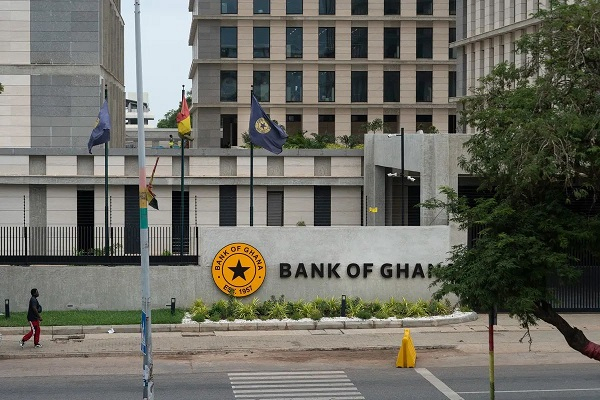 Ghana’s external position has strengthened significantly, with the World Bank highlighting the Bank of Ghana’s strategic management of its gold reserves as an important contributor to the rebuilding of the country’s foreign reserve buffers.
In its 10th Ghana Economic Update, released in August 2026, the World Bank notes that the Bank of Ghana’s strategic gold reserve rebalancing has built a strong cushion of foreign reserves, providing greater resilience for the economy and supporting confidence in Ghana’s external position.
The improvement in reserves represents an important turnaround in Ghana’s macroeconomic conditions.
Gross International Reserves reached US$13.8 billion at the end of 2025, providing the country with a substantially stronger buffer against external shocks and greater capacity to meet its international payment obligations.
President Mahama dissolves boards of nine state institutions
Central to this improvement has been the Bank of Ghana’s approach to managing the gold accumulated under its domestic gold purchase programme.
Through strategic rebalancing of its gold holdings, the Bank has been able to translate part of the value accumulated in gold into stronger and more liquid foreign reserve assets, while maintaining gold as an important component of the country’s reserve portfolio.
Under Governor Dr Johnson Pandit Asiama, reserve management has remained an important part of the Bank’s broader strategy to strengthen Ghana’s external buffers and preserve macroeconomic stability.
Stronger reserves provide the central bank with greater policy space to manage external pressures and help reinforce confidence in the foreign exchange market.
The benefits extend beyond the balance sheet of the central bank. A stronger reserve position helps underpin exchange-rate stability, which matters directly to businesses and households.
For importers, manufacturers and businesses that depend on foreign currency for inputs, greater stability improves the ability to plan and price goods.
For households, reduced exchange-rate volatility helps limit one of the channels through which external price pressures can feed into domestic inflation.
The World Bank’s assessment therefore underscores the importance of prudent reserve management to Ghana’s wider stabilisation.
By strategically managing its gold holdings and rebuilding foreign reserves, the Bank of Ghana has strengthened an important line of defence for the economy, helping to create a more resilient external position and a stronger foundation for sustained macroeconomic stability.
What every mother should know about maternal mental health

