Sports News of 2026-09-23
Black Stars Withdrawals: Genuine injuries, club pressure or something deeper?
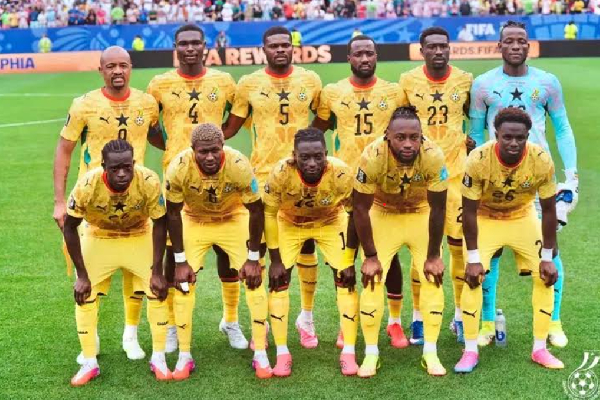 What started as a few late changes to Ghana’s squad for the 2027 Africa Cup of Nations qualifiers is beginning to look like something that demands closer scrutiny.
Mohammed Kudus was the first major name to withdraw after being included in Carlos Queiroz’s original squad, choosing to remain at Tottenham Hotspur as he continues his recovery and works towards regaining full fitness following a lengthy injury lay-off.
Then came Nathaniel Adjei, who suffered a hamstring injury while playing for Lorient, while Prince Adu Kwabena became a major doubt after being stretchered off with a head injury for Viktoria Plzen.
Antoine Semenyo is now the latest high-profile withdrawal, with reports indicating that he is dealing with a persistent ankle problem. Captain Jordan Ayew has also been ruled out after a scan confirmed a groin problem.
Baba Rahman has also reportedly pulled out, adding another experienced name to a rapidly changing squad.
Suddenly, what should have been the beginning of Queiroz’s competitive rebuilding project has become a squad-management headache.
And that brings the bigger questions.
Are these simply genuine injuries?
There is certainly evidence to support that explanation.
Adjei's hamstring problem occurred during a Ligue 1 match. Adu Kwabena suffered his head injury during a Czech league game. Semenyo's withdrawal has been linked to an ankle problem, while Jordan Ayew's groin issue was reportedly confirmed by a scan.
Kudus is a slightly different case.
He has only recently returned from the injury that kept him out of Ghana's 2026 World Cup campaign and has made limited appearances for Tottenham. His decision to remain with his club and continue his rehabilitation therefore has a documented footballing rationale.
Indeed, Queiroz himself explained that the national team had been monitoring Kudus and communicating about his condition before agreeing to his withdrawal.
So there is no evidence at this point to simply label the withdrawals as players refusing Ghana.
But the sheer number of absences inevitably makes the situation worth examining.
Or has the meaning of international football changed?
This is the uncomfortable question.
For some players, the Africa Cup of Nations may no longer carry the same weight it once did, particularly when their club careers are at critical stages.
Club football provides players with their weekly income, contracts, competition for starting places and, increasingly, their professional identity. A player returning from a long-term injury may therefore see an international break differently from a player who is fully fit and playing every week.
Kudus' situation illustrates that tension.
Tottenham need him to regain his best physical condition. Ghana need him for competitive football.
Queiroz acknowledged the difficulty of that relationship when discussing player management, noting that national-team coaches cannot control decisions made by club coaches.
That does not prove disloyalty.
But it raises a legitimate question about where international football sits in the priorities of modern players.
Could there be something happening inside the Black Stars?
This is where caution is required.
There is currently no verified evidence showing that the withdrawals are the result of dressing-room problems, disagreement with the technical team, dissatisfaction with the Ghana Football Association or any other hidden dispute.
Queiroz has instead publicly described the situation as a series of medical and availability problems. He said that before the start of camp, eight players had become unavailable, calling it a poor starting point for his tenure.
He also stressed that players must be in competitive action, physically prepared and ready to play for the national team.
Still, the question cannot simply disappear because there is no public evidence of a deeper problem.
Ghanaian football has seen periods where relationships between players, coaches, administrators and supporters have become strained.
Baba Rahman's previous absence from the national team, for example, followed his decision to step away amid sustained criticism from sections of supporters. He only returned under Queiroz earlier this year.
That history makes every new withdrawal more sensitive.
The real issue is transparency
What started as a few late changes to Ghana’s squad for the 2027 Africa Cup of Nations qualifiers is beginning to look like something that demands closer scrutiny.
Mohammed Kudus was the first major name to withdraw after being included in Carlos Queiroz’s original squad, choosing to remain at Tottenham Hotspur as he continues his recovery and works towards regaining full fitness following a lengthy injury lay-off.
Then came Nathaniel Adjei, who suffered a hamstring injury while playing for Lorient, while Prince Adu Kwabena became a major doubt after being stretchered off with a head injury for Viktoria Plzen.
Antoine Semenyo is now the latest high-profile withdrawal, with reports indicating that he is dealing with a persistent ankle problem. Captain Jordan Ayew has also been ruled out after a scan confirmed a groin problem.
Baba Rahman has also reportedly pulled out, adding another experienced name to a rapidly changing squad.
Suddenly, what should have been the beginning of Queiroz’s competitive rebuilding project has become a squad-management headache.
And that brings the bigger questions.
Are these simply genuine injuries?
There is certainly evidence to support that explanation.
Adjei's hamstring problem occurred during a Ligue 1 match. Adu Kwabena suffered his head injury during a Czech league game. Semenyo's withdrawal has been linked to an ankle problem, while Jordan Ayew's groin issue was reportedly confirmed by a scan.
Kudus is a slightly different case.
He has only recently returned from the injury that kept him out of Ghana's 2026 World Cup campaign and has made limited appearances for Tottenham. His decision to remain with his club and continue his rehabilitation therefore has a documented footballing rationale.
Indeed, Queiroz himself explained that the national team had been monitoring Kudus and communicating about his condition before agreeing to his withdrawal.
So there is no evidence at this point to simply label the withdrawals as players refusing Ghana.
But the sheer number of absences inevitably makes the situation worth examining.
Or has the meaning of international football changed?
This is the uncomfortable question.
For some players, the Africa Cup of Nations may no longer carry the same weight it once did, particularly when their club careers are at critical stages.
Club football provides players with their weekly income, contracts, competition for starting places and, increasingly, their professional identity. A player returning from a long-term injury may therefore see an international break differently from a player who is fully fit and playing every week.
Kudus' situation illustrates that tension.
Tottenham need him to regain his best physical condition. Ghana need him for competitive football.
Queiroz acknowledged the difficulty of that relationship when discussing player management, noting that national-team coaches cannot control decisions made by club coaches.
That does not prove disloyalty.
But it raises a legitimate question about where international football sits in the priorities of modern players.
Could there be something happening inside the Black Stars?
This is where caution is required.
There is currently no verified evidence showing that the withdrawals are the result of dressing-room problems, disagreement with the technical team, dissatisfaction with the Ghana Football Association or any other hidden dispute.
Queiroz has instead publicly described the situation as a series of medical and availability problems. He said that before the start of camp, eight players had become unavailable, calling it a poor starting point for his tenure.
He also stressed that players must be in competitive action, physically prepared and ready to play for the national team.
Still, the question cannot simply disappear because there is no public evidence of a deeper problem.
Ghanaian football has seen periods where relationships between players, coaches, administrators and supporters have become strained.
Baba Rahman's previous absence from the national team, for example, followed his decision to step away amid sustained criticism from sections of supporters. He only returned under Queiroz earlier this year.
That history makes every new withdrawal more sensitive.
The real issue is transparency

