Business News of 2026-09-23
EXPLAINER: How Teshie-Nungua $126m desalination plant became a $235m problem
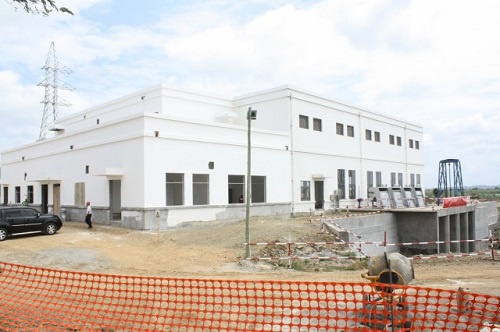 Fifteen years after Ghana signed an agreement to provide treated seawater to communities in Teshie, Nungua and nearby areas, the project has become a major financial and legal burden for the state.
The Teshie-Nungua desalination plant was designed to produce 60,000 cubic metres of water per day for about 500,000 people. The communities were considered to be at the tail end of Ghana Water’s distribution network, making reliable water supply difficult.
GUTA calls for friendly approach to VAT compliance exercise
What is happening now?
The government has begun efforts to resolve the dispute.
In February 2026, President John Mahama directed the Finance Minister, the Attorney-General and Ghana Water to negotiate with the plant’s shareholders.
The plant’s current owner, Cox, has said negotiations towards an amicable settlement are still ongoing, while maintaining its rights under the arbitration awards.
How did the project start?
The project began after Ghana Water received an unsolicited proposal from Befesa Ghana Limited in April 2010. The contract was eventually signed in February 2011.
Parliament approved a $110 million Water Purchase Agreement in 2012. The government also provided a guarantee to assure the company that it would pay for the water supplied.
The project was expected to operate for 25 years, after which the plant would be handed over to the state.
What were the initial concerns?
Concerns were raised about the project even before construction was completed.
The Public Utilities Regulatory Commission (PURC) questioned Befesa’s proposed water price of $1.716 per cubic metre, describing it as uncompetitive.
The PURC indicated a price of $1.37 per cubic metre, subject to verification of the actual costs.
There were also concerns about the experience and structure of the company behind the project.
How did the project become expensive?
The major challenge was the cost of purchasing the desalinated water.
Ghana Water bought the water at about GH¢6.75 per unit, while the approved tariff allowed it to sell the water at about GH¢1.47.
This meant Ghana Water was making a loss of about GH¢5.28 on every unit.
The utility also had to pay a fixed capacity charge of about $1.4 million every month, whether or not the plant was operating at full capacity.
Why did government have to intervene?
Because Ghana Water could not meet the full cost of the project, the government had to provide financial support.
In 2024 alone, the plant’s operator invoiced about $16.93 million. Ghana Water paid only $800,000, while the Ministry of Finance covered about $16.12 million.
Between 2020 and 2024, government support for the project totalled about $57.38 million.
What operational problems did the plant face?
The plant experienced several problems over the years.
It was shut down in 2018 as Ghana Water sought to renegotiate the agreement. It was shut again in 2019 after excess chemicals were found in the water.
There were also complaints about water quality, power outages, corrosion and maintenance problems.
In 2024, the plant became inoperable after heavy rains. A subsequent survey found structural defects and inadequate bracing.
What happened to residents?
While the plant remained out of operation, communities that depended on it experienced water shortages.
Ghana Water introduced a schedule under which affected communities received water about two days a week, mainly from the Kpong Water Treatment Plant.
Residents in areas including Teshie, Nungua, Spintex, parts of Sakumono and La have had to rely on tanker water and other sources.
How did the dispute end up in arbitration?
The situation became more serious when the owners of the plant took the dispute to international arbitration.
On September 17, 2026, an International Chamber of Commerce arbitration tribunal issued two final awards ordering Ghana Water to pay $235 million, plus interest from April 1, 2026.
The tribunal also rejected most of Ghana Water’s counterclaims and ordered the utility to pay part of the company’s legal costs.
The Republic of Ghana was also found liable under the state guarantee.
Why is the $235m award significant?
The award is almost twice the reported $126 million cost of building the plant.
This means Ghana now faces a payment significantly higher than the amount initially spent to construct the facility.
The investors had also secured guarantees from the World Bank’s Multilateral Investment Guarantee Agency (MIGA), which protected them against certain risks, including a breach of contract by the state.
What happens next?
Ghana now has to deal with both sides of the problem.
The government must find a way to resolve the $235 million arbitration award while also addressing the condition of the plant if it is to be brought back into operation.
The facility has been idle for almost a year, while residents in the communities it was built to serve continue to struggle with water shortages.
A project designed to provide reliable water to about 500,000 people has therefore left Ghana facing a major financial obligation, an international arbitration award and the challenge of getting the plant working again.
ANAS/MA
Foundries, Machines and Jet Engines: Ghana’s untapped engineering potential
Fifteen years after Ghana signed an agreement to provide treated seawater to communities in Teshie, Nungua and nearby areas, the project has become a major financial and legal burden for the state.
The Teshie-Nungua desalination plant was designed to produce 60,000 cubic metres of water per day for about 500,000 people. The communities were considered to be at the tail end of Ghana Water’s distribution network, making reliable water supply difficult.
GUTA calls for friendly approach to VAT compliance exercise
What is happening now?
The government has begun efforts to resolve the dispute.
In February 2026, President John Mahama directed the Finance Minister, the Attorney-General and Ghana Water to negotiate with the plant’s shareholders.
The plant’s current owner, Cox, has said negotiations towards an amicable settlement are still ongoing, while maintaining its rights under the arbitration awards.
How did the project start?
The project began after Ghana Water received an unsolicited proposal from Befesa Ghana Limited in April 2010. The contract was eventually signed in February 2011.
Parliament approved a $110 million Water Purchase Agreement in 2012. The government also provided a guarantee to assure the company that it would pay for the water supplied.
The project was expected to operate for 25 years, after which the plant would be handed over to the state.
What were the initial concerns?
Concerns were raised about the project even before construction was completed.
The Public Utilities Regulatory Commission (PURC) questioned Befesa’s proposed water price of $1.716 per cubic metre, describing it as uncompetitive.
The PURC indicated a price of $1.37 per cubic metre, subject to verification of the actual costs.
There were also concerns about the experience and structure of the company behind the project.
How did the project become expensive?
The major challenge was the cost of purchasing the desalinated water.
Ghana Water bought the water at about GH¢6.75 per unit, while the approved tariff allowed it to sell the water at about GH¢1.47.
This meant Ghana Water was making a loss of about GH¢5.28 on every unit.
The utility also had to pay a fixed capacity charge of about $1.4 million every month, whether or not the plant was operating at full capacity.
Why did government have to intervene?
Because Ghana Water could not meet the full cost of the project, the government had to provide financial support.
In 2024 alone, the plant’s operator invoiced about $16.93 million. Ghana Water paid only $800,000, while the Ministry of Finance covered about $16.12 million.
Between 2020 and 2024, government support for the project totalled about $57.38 million.
What operational problems did the plant face?
The plant experienced several problems over the years.
It was shut down in 2018 as Ghana Water sought to renegotiate the agreement. It was shut again in 2019 after excess chemicals were found in the water.
There were also complaints about water quality, power outages, corrosion and maintenance problems.
In 2024, the plant became inoperable after heavy rains. A subsequent survey found structural defects and inadequate bracing.
What happened to residents?
While the plant remained out of operation, communities that depended on it experienced water shortages.
Ghana Water introduced a schedule under which affected communities received water about two days a week, mainly from the Kpong Water Treatment Plant.
Residents in areas including Teshie, Nungua, Spintex, parts of Sakumono and La have had to rely on tanker water and other sources.
How did the dispute end up in arbitration?
The situation became more serious when the owners of the plant took the dispute to international arbitration.
On September 17, 2026, an International Chamber of Commerce arbitration tribunal issued two final awards ordering Ghana Water to pay $235 million, plus interest from April 1, 2026.
The tribunal also rejected most of Ghana Water’s counterclaims and ordered the utility to pay part of the company’s legal costs.
The Republic of Ghana was also found liable under the state guarantee.
Why is the $235m award significant?
The award is almost twice the reported $126 million cost of building the plant.
This means Ghana now faces a payment significantly higher than the amount initially spent to construct the facility.
The investors had also secured guarantees from the World Bank’s Multilateral Investment Guarantee Agency (MIGA), which protected them against certain risks, including a breach of contract by the state.
What happens next?
Ghana now has to deal with both sides of the problem.
The government must find a way to resolve the $235 million arbitration award while also addressing the condition of the plant if it is to be brought back into operation.
The facility has been idle for almost a year, while residents in the communities it was built to serve continue to struggle with water shortages.
A project designed to provide reliable water to about 500,000 people has therefore left Ghana facing a major financial obligation, an international arbitration award and the challenge of getting the plant working again.
ANAS/MA
Foundries, Machines and Jet Engines: Ghana’s untapped engineering potential

