Sports News of 2026-10-14
CID Boss urges vigilance against human trafficking in sports
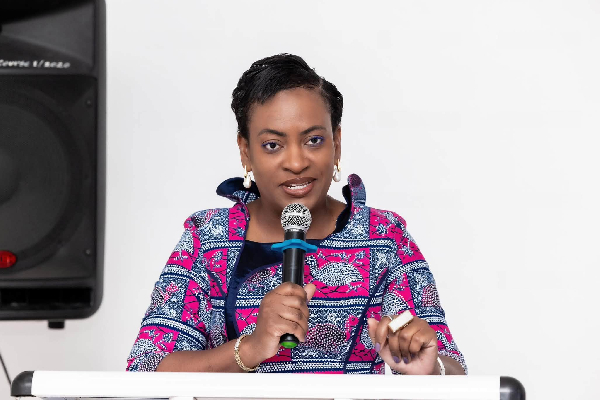 The Director of the Criminal Investigations Department (CID) of the Ghana Police Service, Lydia Yaako Donkor, has warned that criminal networks are exploiting young Ghanaian athletes with false promises of overseas football contracts, international trials and scholarships to lure them into human trafficking.
In a Facebook post, Donkor cautioned parents, coaches, football academies and sports administrators to verify offers of international sporting opportunities, stressing that the pursuit of a professional career should not expose young people to exploitation.
“Sports must build dreams, not become a trap for human trafficking,” she said, underscoring the growing need to protect aspiring athletes from criminal networks that prey on their ambitions.
Donkor disclosed that she had delivered an address on Addressing Human Trafficking in Sports in Ghana at a training programme supported by the International Organization for Migration (IOM) and the Ministry of Gender, Children and Social Protection.
The programme focused on strengthening the capacity of officers to identify, investigate and prevent human trafficking, particularly in the sports sector.
She urged stakeholders to exercise caution when dealing with individuals or organisations offering foreign contracts, professional trials and educational scholarships, warning that seemingly attractive opportunities could expose young people to exploitation.
“Promises of international contracts, scholarships, and professional opportunities must be carefully verified,” she stated.
“No young person should lose their freedom, dignity, or future while pursuing a sporting dream.”
The CID director said the department remained committed to strengthening intelligence-led investigations, protecting victims and working with sporting institutions and international partners to identify and dismantle trafficking networks.
She maintained that sports should serve as a pathway to opportunity, discipline and national pride rather than become a means through which vulnerable young people are exploited.
“Let us protect their dreams, safeguard their future, and ensure that no child becomes a victim of trafficking in the name of sports,” she added.
Human trafficking concerns in Ghana
The warning comes amid broader concerns about deceptive recruitment practices targeting Ghanaians seeking opportunities abroad.
According to the US Department of State’s 2025 Trafficking in Persons Report, Ghanaian nationals continue to face trafficking risks linked to fraudulent recruitment, with some victims exploited in forced labour and other forms of abuse overseas. The report also identifies deceptive recruitment practices as a persistent concern in the country’s broader migration landscape.
In April 2026, Sports and Recreation Minister Kofi Iddie Adams also raised concerns about exploitative recruitment schemes in sports. According to the Ghana News Agency, he said more than 30 per cent of aspiring Ghanaian athletes had been exposed to such schemes, while nearly 96 per cent expressed a strong desire to play abroad.
The figures point to the need for stronger safeguards around athlete recruitment, particularly for young people seeking to break into professional football and other sporting disciplines.
Donkor’s call reinforces the importance of vigilance, proper verification of sporting offers and cooperation among law enforcement agencies, families and sports institutions to prevent traffickers from exploiting young athletes.
The central message is clear: sporting ambition should open doors to legitimate opportunities, not leave young people vulnerable to deception, abuse, and human trafficking.
EA

