Business News of 2026-10-15
‘Technology exists, but we lack the will’ – Sir Sam Jonah on Ghana’s development failures
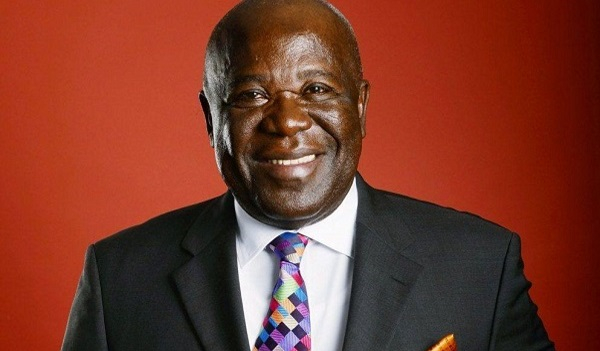 Business leader Sir Sam has criticised Ghana’s approach to public spending, illegal mining and youth employment, urging political leaders to embrace accountability, complete abandoned projects and use digital technology to tackle the country’s persistent development challenges.
Speaking on Thursday, October 15, 2026, at an international conference organised by Methodist University Ghana in Accra to mark the institution’s 25th anniversary, Sir Sam argued that Ghana’s development prospects depend not only on available resources and technology but also on the willingness of leaders to enforce rules and act in the public interest.
Sir Sam Jonah outlines 10 pillars to shape Ghana's next generation of leaders
He questioned the practice of using borrowed funds for consumption rather than productive investments capable of generating long-term economic returns, warning that the misuse of public resources undermines development and deprives citizens of the full benefits of government expenditure.
Sir Sam also criticised the tendency of successive governments to initiate new projects while previously announced developments remain incomplete. He argued that completing existing projects should be a priority, rather than committing additional public funds to new initiatives while earlier investments are left to deteriorate.
According to him, such practices represent a waste of scarce resources and weaken the impact of government spending on the lives of ordinary Ghanaians.
The business leader further raised concerns about the limited opportunities available to skilled young Africans, many of whom struggle to find meaningful employment despite their education and professional training.
He called for an environment that allows young people to apply their expertise, contribute to economic growth and participate meaningfully in the continent’s development, rather than face a future in which their skills remain underutilised.
On environmental protection and public accountability, Sir Sam urged Ghana to make greater use of digital technology to strengthen oversight, improve land administration and track public expenditure.
He cited satellite data as a practical tool for identifying and monitoring illegal mining activities, commonly known as galamsey, while digital land registries could help reduce land disputes and improve the management of land records.
He also advocated digital public procurement systems that would allow citizens to monitor government spending and scrutinise how public funds are allocated and used.
“The technology exists. What we need is the will to use it, even when transparency is uncomfortable for the powerful,” he said. His remarks pointed to a broader concern about the gap between the availability of solutions and the political commitment required to implement them effectively.
While digital systems could strengthen monitoring and transparency, their impact would depend on consistent enforcement, reliable data and the willingness of public officials to act on evidence of wrongdoing. Sir Sam maintained that sustainable development must be anchored in ethical leadership, responsible management of natural resources and prudent use of public funds.
He urged businesses and governments to look beyond immediate financial returns and short-term political considerations, stressing the need for decisions that deliver lasting benefits to communities without destroying the environment or compromising the prospects of future generations.
His address brought together concerns about illegal mining, public financial management, abandoned infrastructure projects and youth employment, making the case that Ghana’s long-term progress requires a stronger commitment to accountability, environmental protection and productive investment.
NA/EA
Cabinet Scraps Controversial Police Hospital Expansion Contract, Allocates GH¢200m for Completion

