What to know about Ghana Police Service’s new TrafficTech system
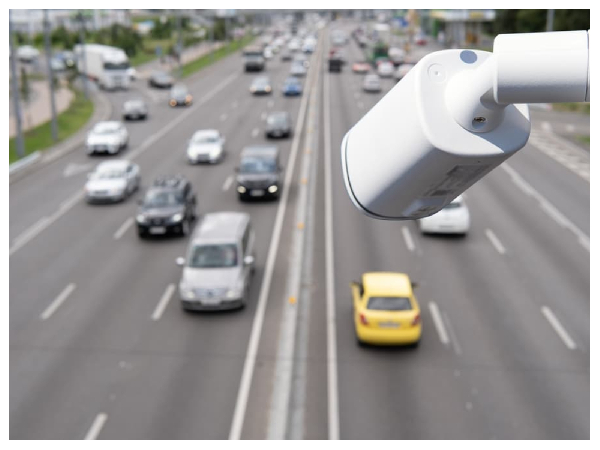
The Ghana Police Service is preparing to roll out a new TrafficTech system that will use technology to detect and enforce road traffic offences, particularly speeding.
The system is expected to change how some traffic violations are handled, allowing the police to identify offenders without necessarily stopping them on the road.
Here is what motorists need to know about the new system:
1. It will use cameras and other automated devices
According to the Ghana Police Service, TrafficTech will rely on technological devices, including cameras, to detect and record road traffic offences.
The devices may be handheld, mounted on tripods or permanently installed on poles.
DVLA commissions Asuogyaman office as MP sponsors licences for 500 drivers, riders
2. Speeding motorists could receive court notices
Motorists caught exceeding prescribed speed limits could be issued court notices based on evidence captured by the automated devices.
Assistant Commissioner of Police (ACP) Alexander Kwaku Obeng said the police hope to use the technology to pursue motorists who violate speed limits.
“We hope to issue court notices to those who may be violating speed limits in their vehicles,” he said.
3. It is backed by road traffic regulations
The enforcement system is supported by Regulation 242 of the Road Traffic Regulations, 2020 (L.I. 2519), which provides for the use of automated systems in detecting road traffic offences and imposing fines.
4. The system will target key high-risk areas
TrafficTech will particularly focus on speeding in school zones, densely populated areas, highways and motorways.
The aim is to improve compliance with speed limits and strengthen road safety enforcement.
5. The technology has already been procured
ACP Obeng disclosed that the required hardware and software have been procured and are currently being tested.
A back-office system has also been established to process and manage evidence captured by the devices.
“That capability has been procured and is being tested, with the back office built, the hardware ready and the software application that will run on this police technology also available,” he said.
NRSA explains key changes under new road traffic regulations
6. Motorists may not have to be stopped physically
One of the major changes TrafficTech could introduce is the ability to enforce certain traffic offences without physically stopping the vehicle.
Evidence captured by the devices could enable the police to identify and pursue vehicle owners and drivers after an offence has been recorded.
7. Certification will come before full deployment
The Ministry of Transport, together with agencies within the road safety management sub-sector, will lead the certification process.
The system is expected to become fully operational after the necessary certification and testing have been completed.
The introduction of TrafficTech forms part of efforts to modernise traffic enforcement and make greater use of technology in detecting road traffic offences.
For motorists, the planned system means that speeding and other offences captured by approved automated devices could result in enforcement action even when a police officer does not stop the vehicle at the scene.
MRA/VPO
Afenyo-Markin drags Sammy Gyamfi to court over 'extortionist' claim
Source: www.ghanaweb.com« Previous |
Next »