
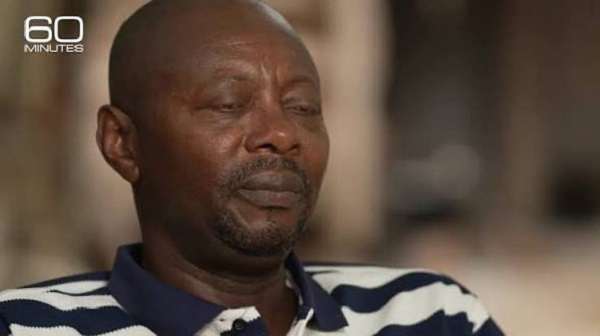
 Moussa Diawara, one of the deportees sent to Ghana by the United States in 2025, has claimed that Ghanaian authorities forced him to leave the country just five days after his arrival.
Diawara was among more than 30 third-country nationals deported by the United States to Ghana in 2025 under an arrangement between the two countries.
In an upcoming documentary by the US television programme 60 Minutes, Diawara said he had no connection to Ghana and did not know anyone in the country before he was deported there.
“I don’t have any connection to Ghana, I don’t know anyone there,” he said.
According to Diawara, despite having no ties to Ghana, he was sent there by US authorities before being transferred to Mali within five days of his arrival.
He alleged that Ghanaian authorities forced him onto a flight to Mali, a country he said a US judge had ruled he could not be deported to.
Speaking to the US-based programme 60 Minutes, Diawara said he was now homeless and living in hiding in Mali, where he feared for his safety.
Minority 'chases' President Mahama to sack Sammy Gyamfi from GoldBod immediately
“I don’t feel safe here at all.”
Explaining his fears, Diawara said he had converted to Christianity, a decision he believes puts him at risk in Mali, where the majority of the population is Muslim and Islamist insurgencies have posed significant security challenges.
In 2025, Ghana entered into an arrangement to accept third-country nationals from West Africa who were deported from the United States, even though they were not Ghanaian citizens.
The arrangement was introduced under the administration of US President Donald Trump and allowed American authorities to send certain West African migrants to Ghana rather than return them directly to their home countries.
The government of President John Dramani Mahama defended the decision by citing the Economic Community of West African States (ECOWAS) free movement protocols, which allow citizens of member states to travel to other member countries without visas, subject to applicable rules.
The government initially maintained that the arrangement was based on humanitarian solidarity with fellow African countries and rejected claims that Ghana was receiving direct financial compensation for accepting the deportees.
However, US officials later offered diplomatic concessions to Ghana as part of the broader relationship between the two countries.
These included the lifting of a 15% tariff on Ghanaian agricultural goods, including cocoa, and the easing of visa restrictions that had previously affected Ghanaian citizens.
Within five days of being deported from the U.S., Moussa Diawara says Ghanaian officials forced him onto a flight to Mali, the very country a U.S. immigration judge ruled he could not be deported to. Diawara says he was homeless and went into hiding. Watch the 60 Minutes report Sunday at 7 p.m. ET/PT on CBS and streaming on Paramount+.
— 60 Minutes (@60Minutes) October 24, 2026 AK/MASource: www.ghanaweb.com