Politics of 2026-09-02
IEA rejects five-year presidential, parliamentary terms in proposed constitutional reforms
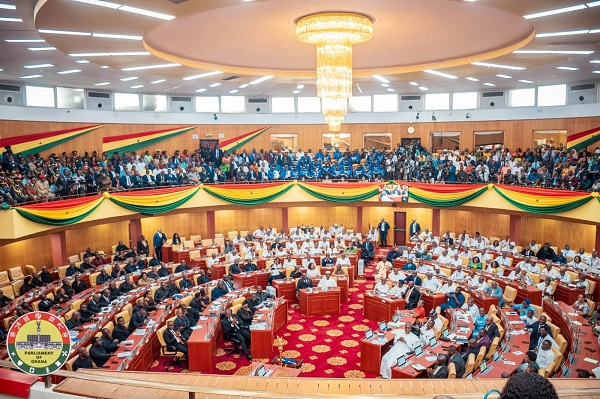 The Institute of Economic Affairs (IEA) has rejected a proposal to extend the terms of the President and Members of Parliament from four to five years, arguing that the existing four-year mandate is sufficient for elected governments to implement their programmes.
The IEA made its position known in a press statement dated Wednesday, September 2, 2026, outlining its views on key constitutional review proposals put forward by the Prempeh Committee and the government.
According to the think tank, extending the tenure of elected officials requires stronger justification than has so far been provided.
“The IEA disagrees. Four years is sufficient for an elected government to implement its programme, and extending the tenure of elected officials should not be undertaken without much more cogent and compelling evidence that the existing four-year mandate is inadequate,” the statement said.
The IEA, however, expressed support for several other reforms aimed at reducing presidential powers and strengthening Ghana’s democratic institutions.
On presidential appointments, the institute backed the Prempeh Committee’s objective of reducing what it described as the President’s “overwhelming appointing powers”.
It said the reviewed Constitution should contain detailed provisions to ensure that appointments to public offices are based on merit and inclusiveness.
“The IEA supports the fundamental objective of the Committee and believes that the reviewed Constitution must contain detailed provisions to substantially reduce the current overwhelming appointing powers of the President,” it stated.
Push for independent judicial appointments
The IEA also called for reforms to the process of appointing judges, including the Chief Justice, arguing that the Judicial Council should be transformed into an independent body responsible for judicial appointments.
It said the review should introduce appointment procedures based on clearly defined principles and international standards.
“Accordingly, the Judicial Council should be reformed to function as an independent body responsible for, among other things, judicial appointments to ensure process integrity, transparency, structural independence of the Judiciary and guarantee independent input into the choice of all judicial officers including the Chief Justice,” the statement said.
The institute further backed a constitutional cap on the number of Supreme Court Justices but said the size of the court must be considered alongside its jurisdiction.
It noted that a cap of 19 Justices, as proposed by the government, or any other number, would only be justified if the Supreme Court’s appellate jurisdiction is appropriately reduced.
IEA backs election of all MMDCEs
On local governance, the IEA supported the election of all Metropolitan, Municipal and District Chief Executives (MMDCEs), but rejected the government's proposal for presidential nomination of candidates.
The institute said all qualified citizens should be allowed to contest MMDCE elections through a non-partisan process.
“Local-level democracy will be strengthened when citizens, rather than the President, determine who may stand for election to lead in the district,” it stated.
The IEA also supported a proposal to prevent Members of Parliament from simultaneously serving as Ministers, Deputy Ministers or Regional Ministers.
It argued that such a reform would strengthen Parliament’s independence and ability to scrutinise the Executive.
“Parliament cannot be expected to provide robust scrutiny of Government while a significant proportion of its members simultaneously depend on presidential appointment for executive office,” the institute said.
Call to depoliticise state-owned enterprises
The institute further backed constitutional restrictions preventing Ministers, Deputy Ministers and MPs from serving on the boards of State-Owned Enterprises (SOEs).
It argued that SOE governance should be driven by competence and professionalism rather than political considerations.
“The governance of SOEs should be based primarily on competence, professionalism, independence and accountability rather than political affiliation,” the IEA stated.
On corruption, the IEA supported constitutionalising stronger measures on unexplained wealth and asset declarations.
It said clear and enforceable constitutional obligations would strengthen efforts to detect and address illicit enrichment by public officials.
“The fight against corruption requires more than general principles; it requires clear, enforceable and credible constitutional obligations that cannot be easily amended,” it stated.
IEA questions timeline for constitutional review
The institute also expressed serious reservations about the government’s proposed methodology and timeline for completing the constitutional amendment process.
The government has proposed separate amendment Bills for entrenched and non-entrenched provisions, with a target of February 2027 for non-entrenched provisions and a referendum on entrenched provisions alongside the 2027 District Assembly elections.
The IEA, however, said the process requires more time for public education, consultation and consensus building.
“Constitution-making must necessarily be consultative, and a constitutional reform of this magnitude must allow adequate time for comprehensive public education, informed national debate, public consultation and consensus building,” it said.
The institute said its broader objective is to support a constitutional framework that limits excessive executive power, strengthens Parliament and the Judiciary, deepens local democracy and improves accountability.
“The task before the nation is to preserve what works, correct what does not, and build institutions capable of serving Ghana beyond individual Presidents, governments and political parties,” the IEA stated.
See the statement below:
NA/BAI
The Institute of Economic Affairs (IEA) has rejected a proposal to extend the terms of the President and Members of Parliament from four to five years, arguing that the existing four-year mandate is sufficient for elected governments to implement their programmes.
The IEA made its position known in a press statement dated Wednesday, September 2, 2026, outlining its views on key constitutional review proposals put forward by the Prempeh Committee and the government.
According to the think tank, extending the tenure of elected officials requires stronger justification than has so far been provided.
“The IEA disagrees. Four years is sufficient for an elected government to implement its programme, and extending the tenure of elected officials should not be undertaken without much more cogent and compelling evidence that the existing four-year mandate is inadequate,” the statement said.
The IEA, however, expressed support for several other reforms aimed at reducing presidential powers and strengthening Ghana’s democratic institutions.
On presidential appointments, the institute backed the Prempeh Committee’s objective of reducing what it described as the President’s “overwhelming appointing powers”.
It said the reviewed Constitution should contain detailed provisions to ensure that appointments to public offices are based on merit and inclusiveness.
“The IEA supports the fundamental objective of the Committee and believes that the reviewed Constitution must contain detailed provisions to substantially reduce the current overwhelming appointing powers of the President,” it stated.
Push for independent judicial appointments
The IEA also called for reforms to the process of appointing judges, including the Chief Justice, arguing that the Judicial Council should be transformed into an independent body responsible for judicial appointments.
It said the review should introduce appointment procedures based on clearly defined principles and international standards.
“Accordingly, the Judicial Council should be reformed to function as an independent body responsible for, among other things, judicial appointments to ensure process integrity, transparency, structural independence of the Judiciary and guarantee independent input into the choice of all judicial officers including the Chief Justice,” the statement said.
The institute further backed a constitutional cap on the number of Supreme Court Justices but said the size of the court must be considered alongside its jurisdiction.
It noted that a cap of 19 Justices, as proposed by the government, or any other number, would only be justified if the Supreme Court’s appellate jurisdiction is appropriately reduced.
IEA backs election of all MMDCEs
On local governance, the IEA supported the election of all Metropolitan, Municipal and District Chief Executives (MMDCEs), but rejected the government's proposal for presidential nomination of candidates.
The institute said all qualified citizens should be allowed to contest MMDCE elections through a non-partisan process.
“Local-level democracy will be strengthened when citizens, rather than the President, determine who may stand for election to lead in the district,” it stated.
The IEA also supported a proposal to prevent Members of Parliament from simultaneously serving as Ministers, Deputy Ministers or Regional Ministers.
It argued that such a reform would strengthen Parliament’s independence and ability to scrutinise the Executive.
“Parliament cannot be expected to provide robust scrutiny of Government while a significant proportion of its members simultaneously depend on presidential appointment for executive office,” the institute said.
Call to depoliticise state-owned enterprises
The institute further backed constitutional restrictions preventing Ministers, Deputy Ministers and MPs from serving on the boards of State-Owned Enterprises (SOEs).
It argued that SOE governance should be driven by competence and professionalism rather than political considerations.
“The governance of SOEs should be based primarily on competence, professionalism, independence and accountability rather than political affiliation,” the IEA stated.
On corruption, the IEA supported constitutionalising stronger measures on unexplained wealth and asset declarations.
It said clear and enforceable constitutional obligations would strengthen efforts to detect and address illicit enrichment by public officials.
“The fight against corruption requires more than general principles; it requires clear, enforceable and credible constitutional obligations that cannot be easily amended,” it stated.
IEA questions timeline for constitutional review
The institute also expressed serious reservations about the government’s proposed methodology and timeline for completing the constitutional amendment process.
The government has proposed separate amendment Bills for entrenched and non-entrenched provisions, with a target of February 2027 for non-entrenched provisions and a referendum on entrenched provisions alongside the 2027 District Assembly elections.
The IEA, however, said the process requires more time for public education, consultation and consensus building.
“Constitution-making must necessarily be consultative, and a constitutional reform of this magnitude must allow adequate time for comprehensive public education, informed national debate, public consultation and consensus building,” it said.
The institute said its broader objective is to support a constitutional framework that limits excessive executive power, strengthens Parliament and the Judiciary, deepens local democracy and improves accountability.
“The task before the nation is to preserve what works, correct what does not, and build institutions capable of serving Ghana beyond individual Presidents, governments and political parties,” the IEA stated.
See the statement below:
NA/BAI
