Business News of 2026-09-13
5 reasons private jets can fly higher than commercial aircraft
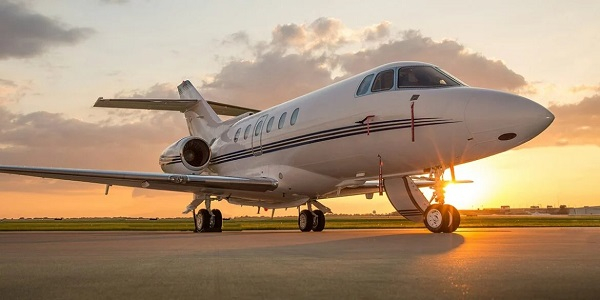 Private jets are known for luxury, privacy and convenience, but one major advantage is less obvious: they can often fly much higher than regular commercial aircraft.
While commercial airliners generally cruise between 30,000 and 41,000 feet, private jets routinely operate between 41,000 and 45,000 feet, with some capable of reaching about 51,000 feet.
But why can private jets climb so high? Here are five major reasons.
Private jets are lighter
One of the biggest reasons is weight. Commercial aircraft carry between 150 and 400 passengers, along with their baggage, cargo and large amounts of fuel.
Private jets usually carry far fewer passengers, making them considerably lighter. The lower weight makes it easier for the aircraft to climb and remain at higher altitudes.
They can escape crowded airspace
Most commercial aircraft operate within similar altitude ranges, making some parts of the sky extremely busy.
Above 41,000 feet, however, commercial traffic drops significantly. This gives private jets operating at higher altitudes more space and allows air traffic controllers greater flexibility in directing them.
In some cases, private jets can therefore take more direct routes and reduce their overall flight time.
Thinner air can help save fuel
The air becomes thinner as an aircraft climbs higher, meaning there is less resistance against the plane.
For private jets designed to operate at these altitudes, the lower resistance can improve fuel efficiency. Their lighter weight also allows them to operate efficiently at higher altitudes than heavier commercial aircraft.
They can avoid some bad weather
Flying higher can also mean a smoother journey.
Much of the weather that affects aircraft, including thunderstorms and some forms of turbulence, occurs at lower levels of the atmosphere.
A private jet cruising at around 45,000 feet may therefore be able to fly above some weather conditions that could force a commercial aircraft flying at a lower altitude to change its route.
They are specifically built to fly higher
Private jets do not reach these heights simply because they carry fewer people. Many are specifically designed for high-altitude flying.
Their engines, wings, cabin pressurisation systems and fuselage structures are engineered to operate efficiently in thinner air.
Ghana moves to stop mining contractors from underpaying workers
Some modern private jets, including the Gulfstream G700 and Bombardier Global 7500, are designed to operate at altitudes of up to around 51,000 feet.
Ultimately, private jets' ability to fly higher comes down to a combination of lower weight and specialised aircraft design.
The higher altitude can offer several advantages, including less crowded airspace, more direct routes, better fuel efficiency under suitable conditions and fewer encounters with some types of bad weather.
With additional files from simpleflying.com
DR/MA
Kaneshie Road Closure: GARID Officer Explains Traffic Impact and How to Avoid It
Private jets are known for luxury, privacy and convenience, but one major advantage is less obvious: they can often fly much higher than regular commercial aircraft.
While commercial airliners generally cruise between 30,000 and 41,000 feet, private jets routinely operate between 41,000 and 45,000 feet, with some capable of reaching about 51,000 feet.
But why can private jets climb so high? Here are five major reasons.
Private jets are lighter
One of the biggest reasons is weight. Commercial aircraft carry between 150 and 400 passengers, along with their baggage, cargo and large amounts of fuel.
Private jets usually carry far fewer passengers, making them considerably lighter. The lower weight makes it easier for the aircraft to climb and remain at higher altitudes.
They can escape crowded airspace
Most commercial aircraft operate within similar altitude ranges, making some parts of the sky extremely busy.
Above 41,000 feet, however, commercial traffic drops significantly. This gives private jets operating at higher altitudes more space and allows air traffic controllers greater flexibility in directing them.
In some cases, private jets can therefore take more direct routes and reduce their overall flight time.
Thinner air can help save fuel
The air becomes thinner as an aircraft climbs higher, meaning there is less resistance against the plane.
For private jets designed to operate at these altitudes, the lower resistance can improve fuel efficiency. Their lighter weight also allows them to operate efficiently at higher altitudes than heavier commercial aircraft.
They can avoid some bad weather
Flying higher can also mean a smoother journey.
Much of the weather that affects aircraft, including thunderstorms and some forms of turbulence, occurs at lower levels of the atmosphere.
A private jet cruising at around 45,000 feet may therefore be able to fly above some weather conditions that could force a commercial aircraft flying at a lower altitude to change its route.
They are specifically built to fly higher
Private jets do not reach these heights simply because they carry fewer people. Many are specifically designed for high-altitude flying.
Their engines, wings, cabin pressurisation systems and fuselage structures are engineered to operate efficiently in thinner air.
Ghana moves to stop mining contractors from underpaying workers
Some modern private jets, including the Gulfstream G700 and Bombardier Global 7500, are designed to operate at altitudes of up to around 51,000 feet.
Ultimately, private jets' ability to fly higher comes down to a combination of lower weight and specialised aircraft design.
The higher altitude can offer several advantages, including less crowded airspace, more direct routes, better fuel efficiency under suitable conditions and fewer encounters with some types of bad weather.
With additional files from simpleflying.com
DR/MA
Kaneshie Road Closure: GARID Officer Explains Traffic Impact and How to Avoid It

