



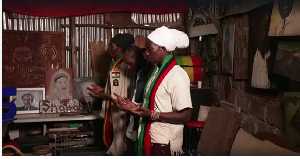
 Kenyan rastafarians has asked court to declare smoking of cannabis is legal
Rastafarians in Kenya are waiting with bated breath for a High Court ruling later this month, which will determine whether they can smoke cannabis legally.
Its use is central to their religion and is often smoked in communal rituals to enhance meditation, promote inner peace and bring them closer to "Jah", or God.
The landmark ruling on the lawsuit filed by the Rastafari Society of Kenya in 2021 to decriminalise the use of cannabis for "spiritual" purposes is due to be delivered on July 15, 2026.
"Rastafari is our culture and smoking weed or marijuana is a part of our culture. So we have to defend it in the court of law," said Mwendwa Wambua, aka Ras Prophet and spokesperson for the society.
While the movement is recognised in Kenya, a 1994 law makes possession of weed punishable by 10 years' imprisonment and a substantial fine.
A member of the society, Moses Mudachi Isavwa, aka Ras Masinde, said they get into trouble with the authorities if they are found in possession of the plant.
"They arrest him and persecute him and throw him into prison, where there are murderers, thieves, rapists and people who have committed all manner of evil. And a Rasta man is a very peaceful man, you know," he said.
Rastas say their dreadlocks, a symbol of their faith, also attract undue persecution from the authorities. Followers of the Rastafari movement identify as mystical, Pan-Africanist, anti-colonialist and vegetarian.
While there are no official figures on the number of Rastafarians in Kenya, Wambua says the movement is growing, especially among young people.
Days before the ruling, devotees gathered at their modest meeting place in Kibera, one of Nairobi's largest informal settlements.
It also houses the Haile Selassie Foundation, named after the last Ethiopian emperor.
His coronation occurred around the time the Rastafari movement was forming in Jamaica in the 1930s, and members see him as a second Jesus Christ come to save Black people.
The foundation helps young people avoid crime by training them in practical skills like weaving or beadwork and teaching them about their religion.
While they are still forced to mostly hide from the law, they are optimistic about the case, which has been ongoing since 2021.
The ruling, which could allow them to smoke cannabis under the right to freedom of religion, is being closely watched in Kenya.

Copyright © 1994 - 2026 GhanaWeb. All rights reserved.










