



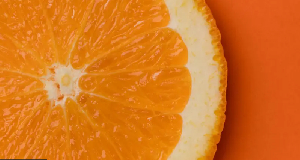
 Orange na di fruit wey most people dey first remember when dem dey tink about Vitamin C
Vitamin C, wey pipo sabi as ascorbic acid, dey very important for health and e get plenty benefit, e even help science.
For 1747, dem use am do one of di first clinical trial wey dem control for medical history.
Na James Lind from Edinburgh, Scotland do am, e join Royal Navy as assistant to di chief doctor and e observe how scurvy dey worry popo, one sickness wey dey kill pass enemy during long sea journey.
E carry 12 men wey dey show di same kind symptom, e divide dem into six pair to test different remedy wey people dey use dat time from cider and vinegar to seawater.
"Inside one week, di ones wey I give two orange and one lemon evvri day don recover reach di level wey dem fit take care of di rest."
Citrus fruit, for reason wey nobodi sabi dat time, na im sure pass to fight dis sickness.
Di real reason na Vitamin C, but dem no discover am until 1912. 16 years later dem isolate am, and for 1933 e becom di first vitamin wey dem produce wit chemical.
As time dey go, pipo come sabi say e fit do pass just prevent and cure scurvy.
Our bodi need am to heal wound, sake of say Vitamin C dey help form new connective tissue wey dey make organ strong.
E still important for bone, blood vessel, cartilage, skin, and for bodi to fit absorb iron.
E also dey make immune system strong to fight infection, and with im antioxidant power, e dey help protect body from cancer and cardiovascular disease (CVD).
All dis benefit and more make am an essential nutrient, meaning say we gatz make sure say we dey take am, unlike most animal, human no fit produce am by demself.
And we gatz dey take am evri day becos e dey dissolve for water, e no dey store for body.
So we must get enof of am for our food evri single day.
No more, no less
Even though di recommended amount dey change small, according to Mayo Clinic, experts dey advise say women wey no dey pregnant or dey breastfeed suppose take 75 milligram (mg) per day, and men suppose take 90 mg per day.
Yes, as e dey important make you take enough, na so e dey important make you no overdo am: if you be adult, no pass 2000 mg.
Plenty vegetable get Vitamin C, like broccoli, Brussels sprouts, and pepper (wey biologically na fruit).
But remember say becos Vitamin C dey dissolve for water and e dey quick spoil for high heat, some of am dey loss during cooking.
You fit chop dem raw to get di full vitamin, but if you must cook, steaming na di best way to keep di nutrition.
Fruits, on di oda hand, na correct and sweet option.
Wit just 3/4 cup of orange juice evri day, you don already cover di minimum wey you need.
We mention dis fruit because, for history sake, orange and lemon na di ones wey pipo dey remember quick as source of this important nutrient.
And na true: 100 grams of pulp from any of di two fruit get about 53 mg of Vitamin C, according to many sources, including U.S. Department of Agriculture (USDA).
But e come be say at least nine oda fruits get even higher level, so we dey list dem here make you sabi.
From 1 to 7
Two fruit dey compete for di crown of who get di highest Vitamin C among all di food wey pipo sabi: one dey come from Australia, di oda one from Amazon.
Gubinge, kakadu or murunga (Terminalia ferdinandiana), get extraordinary plenty Vitamin C between 2,300 to 3,150 mg for evri 100 g, wey far pass di ~53 mg wey dey inside orange.
Aboriginal pipo don sabi for thousands of years di power of dis small olive-green fruit wey dey grow for wild forest of northern Australia.
Dem dey chop am raw, dem dey use am make refreshing drink, and dem dey use am do jelly.
E be part of their food, but just like other part of di tree, e get medicinal power too dem dey use am cure headache, cold, flu, and as antiseptic.
Today, kakadu dey used to make powder wey dey inside dietary supplement, functional food, cosmetics, and medicine.
Thanks to research from University of Queensland, dem don use am as natural preservative, especially good to keep seafood like frozen shrimp and shellfish fresh, maintain dia look, and increase their shelf life.
Wit level wey dey usually between 1,600 and 3,000 mg for every 100 g of pulp and for some type or treatment e fit even pass 4,000-5,000 mg/100 g, camu camu (Myrciaria dubia) no dey far from kakadu.
Di plant, wey dey native to South American Amazon, dey grow for flooded and riverside areas of Peru, Brazil, Colombia, Ecuador, and Venezuela.
Traditionally, pipo dey use am as medicine, even for malaria.
Di fruit dey so acidic well-well say pipo no dey usually chop am raw, na im juice dem dey extract, and di juice dey show fine pink color because of di pigment wey dey inside di skin.
Anoda champion for Vitamin C na acerola (Malpighia glabra or Malpighia emarginata), wey get about 1,700 mg for evri 100 g.
E dey native to tropical region of America, especially Caribbean, Central America, and South America e get sweet taste wit small acidity, very refreshing, like sour cherry.
Pipo dey chop am fresh, use am do juice, jam, or as powdered supplement. Acerola don dey valued since pre-Columbian time sake of im medicinal power, and e don spread go all over di world through vitamin supplements, wey dey popular for food industry becos of di nutritional value.
Acerola don dey valued since pre-Columbian time because of im medicinal power and e don spread worldwide through use in vitamin supplements.
Di fruit of wild rose, wey common for Europe, Asia, and some part of North America, na traditionally known say e dey help relieve cold and make immune system strong.
According to different study, rose hips (Rosa canina L.) get between 100 and 1,300 mg for everi 100 g, depending on di species, where e grow, altitude, and how ripe e be.
E get sweet and sour taste, with floral and small earthy flavor, and pipo dey mostly consume am as tea, jam, syrup, or supplement.
Rosehip get long history for European traditional medicine, and dem even use am during World War II as alternative source of Vitamin C when citrus fruit no dey enough.
E still dey popular today for herbal medicine and natural nutrition.
Phyllanthus emblica L., wey pipo sabi as groseller d'Inde or sarandí for Spanish, na one tree wey Hindu pipo see as sacred, e dey symbolize long life and wisdom.
Indian gooseberry na one of di most valued fruit for traditional Ayurvedic medicine.
Di taste dey unique and strong: e dey extremely sour (sometimes bitter and astringent), small bitter for beginning but sweet for ending. If you chop am fresh, e dey leave dry feeling for mouth.
Funny enough, after person chew am and spit am out, plenty people dey talk say their saliva go turn sweet for few seconds, some tradition dey see dis one as purifying or refreshing.
Because di taste too strong, e better make people consume am as dry, processed, or cooked instead of raw especially inside Ayurvedic mixtures or chutneys.
Indian gooseberry na one of di richest natural source of Vitamin C (up to 720 mg per 100 g), but e still get another advantage: di Vitamin C no dey quick spoil during drying or storage.
Na tannins and polyphenols dey protect am from oxidation somethin wey rare for other fruit. Dis stability na why dem don dey use am for years as dried or canned product without losing di medicinal power.
Baobab fruit, whole and cut, dey show di dry powdery inside.
For oral stories, baobab na tree wey dem talk say e dey hold di sky wey dem plant under, and e represent ancestral wisdom.
Di fruit get about 494.94 mg of Vitamin C per 100 g of dehydrated pulp, and people don dey use am for centuries as food and natural medicine.
Unlike many other fruit, di pulp no dey juicy e dey dry inside.
Di dry pulp dey break down quick into powder, wey make am perfect for drinks, sauces, or dietary supplement.
Di taste dey tart, refreshing, and small lemony people dey describe am like mix of grapefruit, pear, and vanilla.
Make we come back to America, dis time na guava, di fruit wey him smell dey always remind writer Gabriel García Márquez of him home, as e tok by himsef.
Di fruit of di Psidium guava tree dey always get strong aroma, sometimes sweet, sometimes small bitter, because e get many varieties big, small, white, pink, red, yellow...
Guava get more Vitamin C pass many citrus fruit: some varieties get up to five times more than orange, making am strong natural antioxidant.
One study for fresh guava for Ecuador even find say di content fit reach around 500 mg.
Guava get plenty health benefits too, and na climacteric fruit, meaning say e still dey ripe after dem harvest am, wey make e easy for chop, carry, and export.
Even with all dis and e popularity for Latin America and Asia, e still dey "exotic" for many parts of di world.
Na di same with many fruit wey we don mention for dis article but no wahala, because we still get other strong sources of Vitamin C:
.Blackcurrants, wit ~181 mg/100 g, very rich in antioxidants
.Kiwis, di variety wey get highest Vitamin C
.SunGold, wit ~161 mg/100 g
.Papaya, wit ~60 mg/100 g, and e still rich in digestive enzymes
.Strawberries, with ~59 mg/100 g, powerful especially wen raw
And finally, we get di traditional orange, wey get small more Vitamin C than di refreshing pineapple.

Lind advice make dem add fresh citrus fruit and lemon juice for sailors food na wetin make scurvy disappear from di British navy.
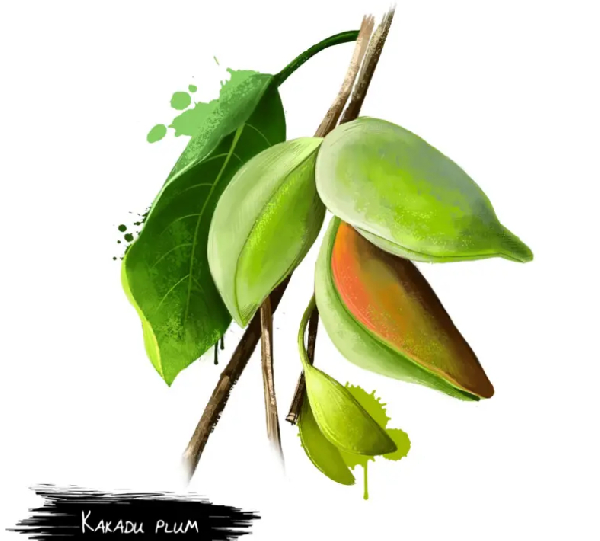
Kakadu na ancestral treasure for Australian Aboriginal people, and e be di fruit wey get di highest Vitamin C for di whole world
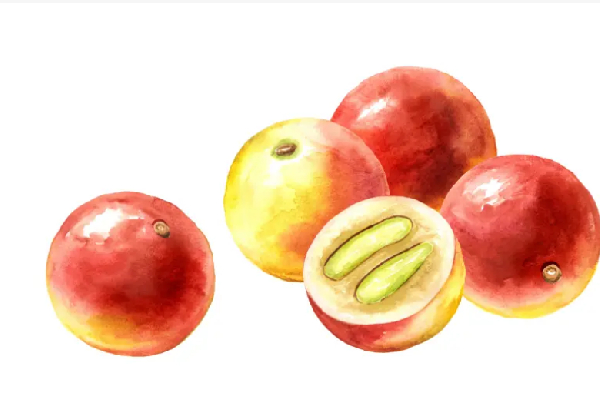
Myrciaria dubia
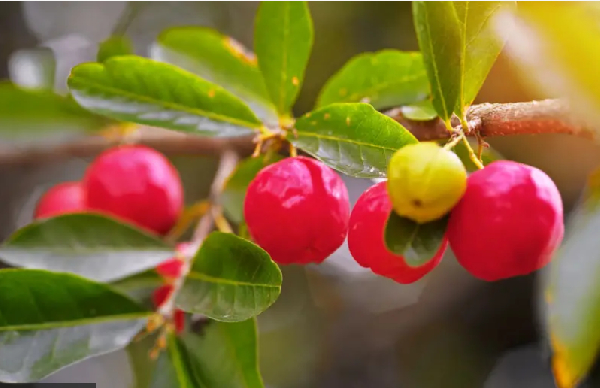
Acerola, wey pipo still dey call Barbados cherry, na tropical treasure wey Caribbean pipo don dey use for their local medicine for generations
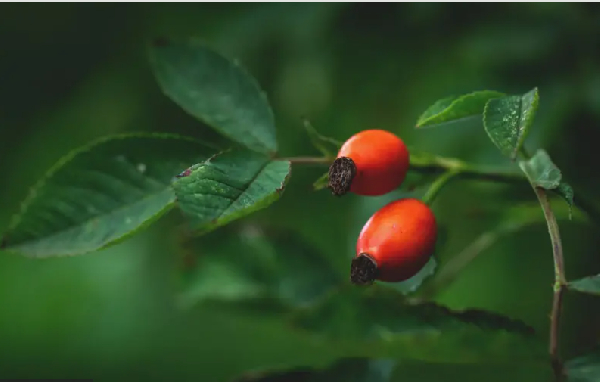
Di wild fruit from rose garden don be part of old forest knowledge for centuries.
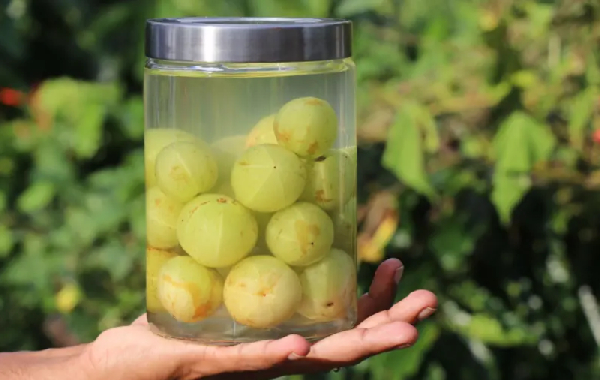
Di taste of gooseberries dey, make we tok am, intense. But if you preserve dem inside salt water, e go help soften dem and make dem sweet well to chop
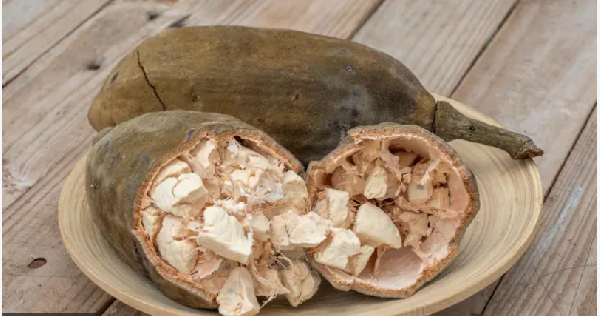
One kain unusual fruit from tree wey some cultures believe say e be bridge between earth and heaven.
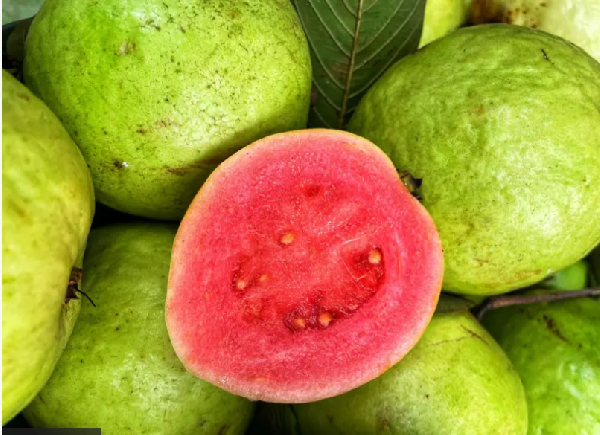
Guava na di smell wey dey carry many Latin American memories.

Copyright © 1994 - 2026 GhanaWeb. All rights reserved.










