



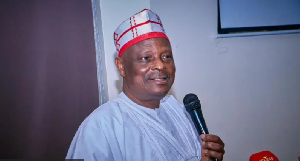
 Oga Musa Rabiu Kwankwaso na strong Nigerian politician
Plenty reactions don follow di appearance of Musa Rabiu Kwankwaso name for one bill wey lawmakers for di US House of Representatives introduce to address wetin dem describe as religious persecution and mass atrocities in Nigeria.
Oga Kwankwaso na strong Nigerian politician. E be di national leader of di New Nigeria Peoples Party (NNPP), di presidential flag bearer of di party for di 2023 general election and govnor of Kano state, northern Nigeria for eight years.
For di proposed legislation, wey dey titled di Nigeria Religious Freedom and Accountability Act of 2026 (HR 7457), urge di US govment to impose targeted sanctions, wey include visa bans and freeze di asset of individuals or entities wey dey responsible for severe religious freedom violations for Nigeria.
Details of di bill, wey dem post on di US Congress website, claim say Oga Kwankwaso, prominent Nigerian politician dey part of dos wey dey contribute to systemic religious "persecution of Christians wey don persist" for Nigeria.
Dis revelation don cause uproar for Nigeria and don lead to plenty tok-tok as pipo express shock and diverse views on di development.
Na US Republican lawmakers Riley Moore and Chris Smith, Chairman of di House Foreign Affairs Africa Subcommittee, plus leading lawmakers for di House Appropriations Committee and House Foreign Affairs Committee sponsor di bill.
Co-sponsors of di legislation include House Appropriations Committee Chairman Tom Cole, House Foreign Affairs Committee Chairman Brian Mast, Appropriations Subcommittee on National Security and Related Programs Chairman Mario Diaz-Balart and Foreign Affairs South and East Asia Subcommittee Chairman Bill Huizenga.
If di proposed legislation, wey dem introduce to Congress on Tuesday, 10 February bicom law, di Departments of State and Treasury dey expected to impose di sanctions.
For di wake of dis development, Kwankwasiyya Movement don reject di inclusion of dia leader for di proposed legislation.
For one statement on Thursday, di movement describe di reported inclusion of Kwankwaso name as "unfounded" and call on US lawmakers to remove di name of di former Kano State govnor from di proposed bill.
"We tok am wit our full chest say these allegations dey wrong, misleading, and inconsistent wit di verifiable public record of Senator Kwankwaso life and service," di statement read.
Di statement wey di movement tok-tok pesin Habibu Mohammed sign express "grave concern" on top wetin e describe as selective targeting of dia leader.
Kwankwaso, wey be former Deputy Speaker of di House of Representatives, two-term govnor of Kano State, Minister of Defence, and Senator "no ever dey indicted, prosecuted, or credibly accused of religious persecution, extremism, or human rights violations," di group tok for di statement.
Di movement argue say di development of Sharia-based legal systems wey dey operate for parts of northern Nigeria dey carried out within constitutional provisions and no be di initiative of any single individual.
"Di constitutional development of Sharia-based legal systems for certain northern Nigerian states no dey unique to Kano State and no be one pesin initiative," di statement tok.
To single out Kwankwaso while similar constitutional arrangements dey exist for several states raise serious questions about di basis, consistency, and evidentiary standard for di back of dat kain recommendation, di statement add
Defending Kwankwaso record, di movement tok say during im tenure as govnor, e bin take "decisive measures" to curb extremist threats and protect lives and property across religious divides."
"E dey deeply concerning say opposition political leader wey get longstanding national profile go dey isolated for dat kain bi mata without transparent and verifiable findings," Mohammed tok.
Di movement call on di US Congress to "outrightly reject dis recommendation and remove Dr Kwankwaso name from di proposed bill," and allege say e fit be "individuals wey get personal beef to settle wit di senator or political rivals" dey behind di bill.
One tok-tok pesin of former Nigeria President Bashir Ahmad dey among dos wey don react to di issue.
For one post on X, Ahmad say although im and Oga Kwankwaso no dey politically aligned, yet di former govnor na pesin wey consistently don take firm stand against terrorism and terrorists in all forms.
"I no dey politically aligned wit Senator Rabiu Kwankwaso. E be di leader of di NNPP, while I be committed member of di APC, but political differences no suppose ever make us abandon fairness or justice. E dey therefore important to clear am say unfairly linking him to di killings of Christians for dis country dey wrong and unjust."
Also, one Professor of Journalism Farooq Kperogi wey stand wit Kwankwaso tok say anybody wey dey familiar wit di politician trajectory go know say e no be religious fanatic.
For one article wey dey published on one national dailies, Kperogi add say di reason why Kwankwaso dey singled out on di US bill na becos e be di only nationally prominent Nigerian politician wey openly criticize di United States' designation of Nigeria as a Country of Particular Concern.
Who be Rabiu Musa Kwankwaso
Rabiu Musa Kwankwaso, di 68-year-old politician wey dey di centre of di controversy dey always appear for public with im red cap.
Di red cap na symbol of im political ambition and im achievements – Oga Kwankwaso na former defence minister, former senator and two-terms govnor of Kano state, one of Nigeria most populous states.
Im supporters for Kano wey be part of im Kwankwasiyya movement, wey mean di "Red Cap Revolution" for Hausa, dey also wear di cap.
Dis loyal political fan club don even follow am switch parties as e move - in particular im move for 2013 from di den-governing Peoples Democratic Party to di All Progressives Congress, di current ruling party.
Ova di span of im career, e don dey wit five parties, and now be di national leader of di New Nigeria People's Party (NNPP), wey pipo no too sabi until e join for 2022.
Rabiu Kwankwaso first bicom Kano state govnor for 1999.
Dis na di year wey mark di end of military rule - and at di time e neva begin wear di famous red cap.
E lost im gubernatorial re-election bid for 2003, dat na wen den-President Olusegun Obasanjo make am im defence minister.
E serve for dis role until 2007 for time wey relative peace dey for Nigeria.
Afta im time for govment, e return to state politics, wey be wen e form di Kwankwasiyya movement, e take inspiration from di late well-known anti-colonial freedom agitator Malam Aminu Kano, wey become ogbonge politician and social reformer for northern Nigeria afta independence.
Dressed in red cap and flowing white kaftan, e bin dey famous for pointing out di inequalities of wetin be fairly feudal society for di region - fighting for more equality, including di rights of women.
Many pipo don label am to be di originator of Sharia law for Nigeria, but di Kwankwasiyya movement clear am say no be so.
Tok-tok pesin of di movement tok say di constitutional development of Sharia-based legal systems for certain northern Nigerian states no dey unique to Kano state and no be di initiative of one individual.
"Multiple states adopt similar legal frameworks within di ambit of Nigeria federal constitution, legislative processes, and judicial safeguards. These systems remain subject to constitutional oversight and appellate review," Habibu Mohammed tok.
E add say Oga Kwankwaso record stand gidigba against violence, extremism, and terrorism.
During im tenure as govnor, e take decisive measures to curtail extremist threats and protect lives and property across religious divides. E maintain constructive engagement wit Christian leaders and minority communities and consistently promoted peaceful coexistence, Mohammed explain.
For im 2023 presidential ticket, na Bishop Isaac Idahosa, be im running mate.
Kwankwaso, wey dey married with six children, display political confidence.

Copyright © 1994 - 2026 GhanaWeb. All rights reserved.










