



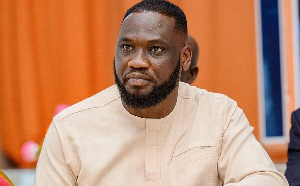
 Asante-Akyem North Member of Parliament, OK Frimpong
The arrest of Asante-Akyem North Member of Parliament, OK Frimpong, in the Netherlands over allegations of fraud and scam is a matter of grave concern.
The reports that he travelled on a diplomatic passport only deepen the seriousness of this development. Whether he is ultimately convicted or not, the incident has already cast a long and troubling shadow over Ghana’s reputation.
Public office is a sacred trust. Those elected to Parliament are not ordinary citizens in the eyes of the world; they are ambassadors of the nation’s values and integrity.
When a sitting Member of Parliament is arrested abroad in connection with criminal allegations, the damage extends far beyond the individual. It tarnishes the image of every Ghanaian and weakens confidence in our institutions.
Ghana has, for decades, enjoyed a hard-earned reputation as one of Africa’s most stable democracies.
Our peaceful elections, constitutional order, and vibrant civil society have won us international respect. But reputations are fragile.
They can be undermined in an instant when those entrusted with public office become associated with criminal conduct. The use of a diplomatic passport in such circumstances is especially troubling. Diplomatic passports are symbols of national honour.
They are issued to facilitate official duties and reflect the trust a nation places in its representatives.
When such a document becomes linked to allegations of fraud, it sends an unfortunate message to the world: that those who should uphold the law may instead be accused of violating it.
The consequences are not merely symbolic. Foreign governments may become more suspicious of Ghanaian officials. Immigration scrutiny may intensify. Investors may question the standards of governance in our country. And ordinary Ghanaians, many of whom travel, study, and do business abroad with dignity, may face increased scepticism through no fault of their own.
This case also exposes a glaring weakness in our electoral system. The Electoral Commission of Ghana cannot continue to treat candidate qualification as a matter of age, citizenship, and paperwork alone.
Those who seek public office should be subjected to far more rigorous vetting.
A comprehensive screening regime should include criminal background checks, financial due diligence, verification of business dealings, and scrutiny of any pending investigations, both domestic and international.
The goal is not to deny due process, but to ensure that those who seek to make laws are themselves people of unquestionable integrity.
In countries such as the United Kingdom where I live, intense scrutiny of public officials is regarded as essential to preserving confidence in democratic institutions. When failures in vetting come to light, they prompt national debate and institutional reform. Ghana should adopt the same seriousness.
Political parties also bear responsibility.
Too often, candidates are selected because they are wealthy, influential, or electorally popular, while questions about character are overlooked. This is a dangerous bargain. Electoral success can never justify ethical compromise.
The voters, too, must demand more. Leadership is not a reward for ambition; it is a duty requiring honesty, discipline, and respect for the law. Constituents should insist that those seeking office are worthy not only of their votes, but also of the country they represent.
The allegations against OK Frimpong are deeply unsettling. If proven, they will represent a profound betrayal of public trust. If disproven, the episode still underscores the urgent need for stronger safeguards to protect the integrity of our democracy.
Ghana must act decisively. The Electoral Commission should strengthen vetting procedures. Political parties should prioritise character over convenience. And public office must once again be reserved for those whose conduct reflects the honour of the Republic.
Our democracy is one of our greatest achievements. It should never be jeopardised by those who mistake public service for personal privilege.

Copyright © 1994 - 2026 GhanaWeb. All rights reserved.










