



 Linda Tunkum is an accounting student at the UPSA
The rhythmic, stuttering hum of a diesel generator in a quiet suburb and the sudden, heavy silence of a bustling market at dusk are the unofficial sights and sounds of a nation at a crossroads.
As of late April 2026, Ghana finds itself grappling once again with the ghost of "dumsor" a term that has evolved from a simple description of load shedding into a symbol of a systemic, multi-decade energy struggle.
The recent fire at the Akosombo substation was more than just an unfortunate
industrial accident; it was a structural indictment of our national grid’s fragility. To secure our future, we must speak the professional truth.
Ghana’s over-reliance on a centralized hydroelectric backbone is a precarious gamble that threatens our economic sovereignty, our social stability, and our collective progress.
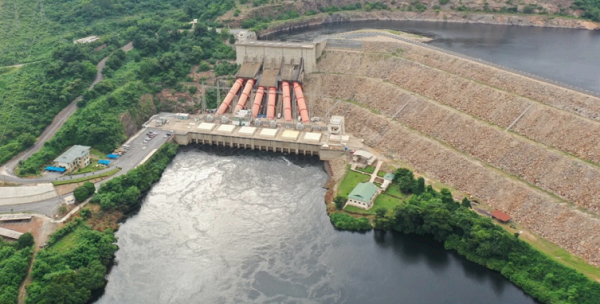 Image Insert
To chart a path toward permanent energy security, we must analyze the cracks in the foundation of our current energy philosophy and the devastating ripple effects that occur when that foundation shifts.
The Vulnerability of a Centralized Legacy
For over sixty years, the Akosombo Dam has been the crown jewel of Ghanaian infrastructure. When it was commissioned, it was a visionary feat of engineering designed to power a young, industrializing nation with dreams of self-sufficiency.
However, the energy needs of a 1960s population are fundamentally incompatible with the digital, high-intensity industrial demands of 2026.
The core of our problem is centralization. When a system is built around a single point of failure, it lacks the mechanical and systemic resilience required to survive modern shocks.
Whether it is a fire at a switchyard, a mechanical fault in an aging turbine, or a localized grid collapse, the impact of a mishap at Akosombo is not localized but it is national. We are essentially driving a high-speed vehicle on a dangerous highway with no spare tire.
When the primary engine stalls, the entire country is forced to pull over into the darkness.
From an accounting perspective,The hidden costs of maintaining a 60 year old hydro dam as a primary source including the constant emergency repairs and the loss of revenue during shutdowns far outweigh the capital investment needed to decentralize our power sources. We are paying for our history with our future.
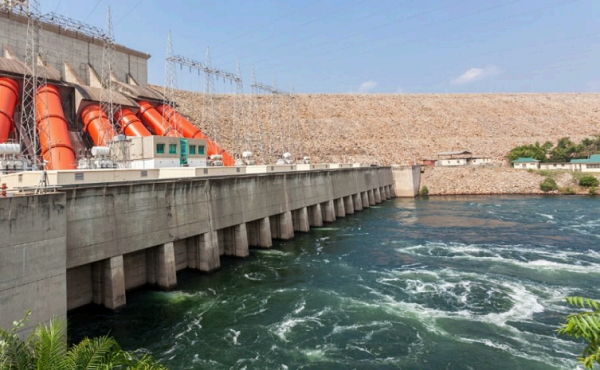 Image Insert
The Climate Reality: Water as an Unreliable Witness
Historically, the primary culprit for "Dumsor" has been low water levels in the Volta Lake. As climate change continues to rewrite the rules of African weather patterns, rainfall has become a volatile variable rather than a predictable resource.
We can no longer treat the rains as a guarantee.
Hydroelectric power is only as consistent as the weather that feeds it. Relying on a weatherdependent resource for the base load of our national grid is no longer a sustainable strategy for a country that is the "Black Star of Africa."
During years of drought, our electricity supply shrinks just as heatwaves drive up the demand for cooling, creating a dangerous deficit.
This forces the state into expensive, short-term emergency power deals, often involving offshore power ships or high interest thermal contracts that drain national coffers and increase public debt without solving the structural root of the problem.
We are essentially using a bucket to bail out a sinking ship instead of fixing the hole in the hull.
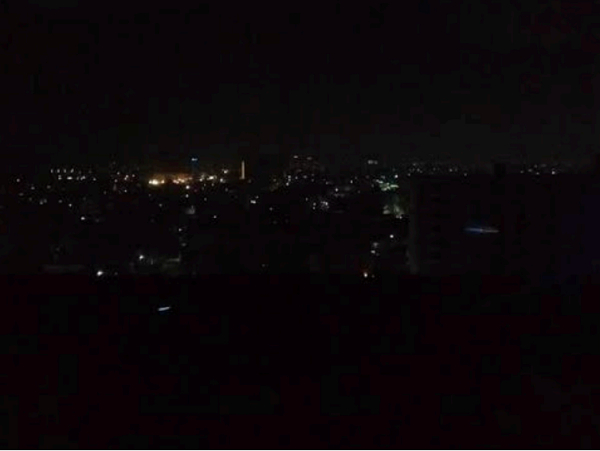 Image Insert
The Socio-Economic Hemorrhage: The Real Cost of the Dark
The true cost of "dumsor" is not measured in megawatts or kilowatt-hours; it is measured in the stifled potential and shattered dreams of the Ghanaian people. When the lights go out, the economy doesn't just pause, it bleeds.
For the small-scale entrepreneur, the cold store operator in Takoradi,
the seamstress in Kumasi, or the tech start-up in Accra. Power instability is a direct, unannounced tax on survival.
The Paralysis of Micro-Enterprises
Small and Medium Enterprises (SMEs) are the lifeblood of the Ghanaian economy, providing over 70% of our GDP. Yet, they are the most vulnerable to these fluctuations.
Unlike large corporations with deep pockets, most small businesses cannot afford high capacity generators or industrial grade solar backup systems.
For a local barber or a hairdresser, a six hour blackout results in a 100% loss of revenue for that period.
For a cold store owner, it means the catastrophic loss of perishable inventory like meat, fish, and dairy that represents their entire working capital.
These losses are rarely recovered, they simply accumulate until the business owner is forced to close their doors forever, adding to the unemployment figures and deepening poverty.
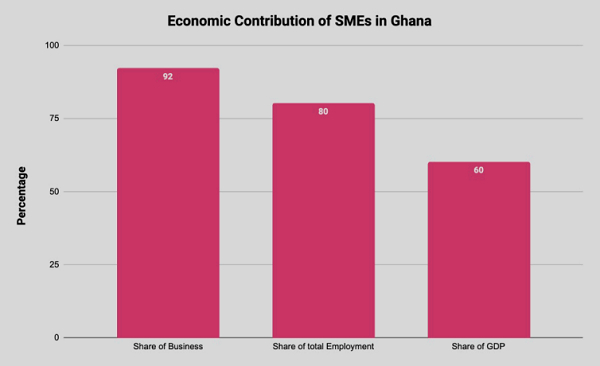 Image Insert
Industrial Decay and the "Generator Tax"
On a macro level, large-scale manufacturing requires a steady, clean and predictable flow of electricity.
Frequent surges and drops damage sensitive industrial machinery, leading to massive repair costs and reduced global competitiveness. When a Ghanaian factory produces a bag of cement or a bar of soap using expensive diesel generators, the price of that product must rise to cover the cost of fuel.
This makes "Made in Ghana" products more expensive than imports, hurting
our trade balance. This "Generator Tax" is inevitably passed down to the consumer, fueling inflation and reducing the purchasing power of the average Ghanaian family.
Students struggle to study after sunset, widening the academic gap between those who can afford backup power and those who must rely on candles or lanterns. In healthcare, while major teaching hospitals often have robust backup systems, smaller community clinics and CHPS compounds may face life threatening situations during prolonged outages.
This affects everything from the storage of life saving vaccines to the safety of emergency procedures conducted under suboptimal lighting.
Architecting the Future: A Roadmap for Diversification
Ending the cycle of "dumsor" permanently requires a radical shift from "crisis management" to "strategic architecture."
We must stop reacting to the darkness and start planning for the light. The
solution lies in a multi-resource energy mix that is decentralized, resilient, and forward-looking.
Aggressive Solar Integration
Ghana is blessed with an abundance of sunshine, particularly in the northern regions where land is available and solar irradiance is among the highest in West Africa.
Unlike hydro, solar can be decentralized. Imagine a grid where every school, hospital, and government building contributes its own solar power to a localized mini grid.
By scaling solar aggressively, we can meet peak daytime demand when air conditioners and industrial machines are running at full throttle without draining the Volta Lake.
This allows us to "save" our hydro reserves for nighttime use, creating a balanced and natural cycle of power.
 Image Insert
The Technical Shield: Securing the Grid Against Internal Failure
Preventive Maintenance (PM) rather than "lRun-to-Failure management.
• Life-Extension Audits: Since Akosombo and many of our substations are aging, they require frequent audits to replace brittle wiring and outdated insulation that can no longer handle the modern electrical load.
• Staff Training: Ensuring that on-site engineers are trained in high-voltage fire response, including the use of specialized PPE and non-conductive extinguishing agents.
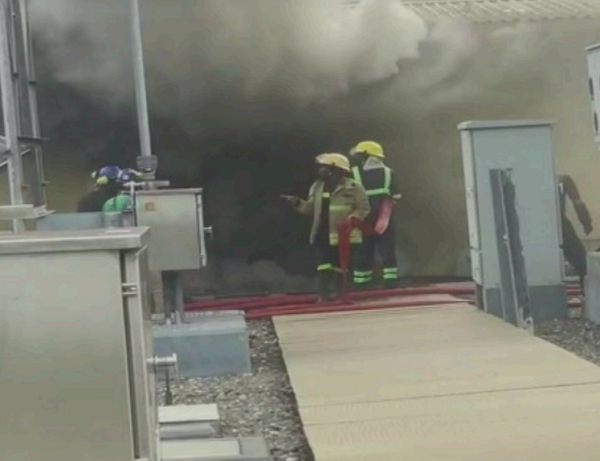 Image Insert
Conclusion: Lighting the Path Forward
The National Energy Transition Plan is not just a technical document for policy makers, it is a blueprint for our national survival. The "professional truth" is that we can no longer afford the cost of inaction.
A nation that relies on a single source for its lifeblood will always be one spark away from a total blackout.
The current outages of 2026 must be the final catalyst for change. We need more than just technical repairs at the Akosombo switchyard, we need a national commitment to energy independence, transparency in utility management, and a massive diversification of our power sources.
It is time to build a grid that is as diverse, vibrant, and resilient as the Ghanaian people themselves.
We owe it to the small business owner in Takoradi and the student in Bolgatanga to ensure that "dumsor" becomes a word found only in our history books but a relic of a past where we were afraid of the dark, rather than a feature of a future where we have mastered the light.

Copyright © 1994 - 2026 GhanaWeb. All rights reserved.










