



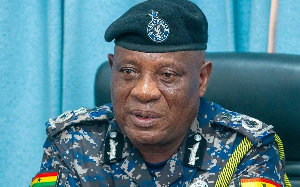
 Christian Tetteh Yohunu (COP) is the Inspector General of Police
On behalf of the concerned citizens of the North East Region, I write to you to draw your urgent attention to two deeply troubling and interconnected issues that are eroding public trust in our police service: the rampant extortion of money from citizens on our roads, and the disturbing use of excessive—and at times, lethal—force in situations that demand restraint and professionalism.
1. The pervasive menace of illegal extortion
What was once an occasional complaint has now, regrettably, become a daily ordeal for many citizens.
The unlawful collection of money at police checkpoints and during routine stops across the North East Region—particularly within the East Mamprusi Municipality—has evolved from isolated acts of misconduct into a systemic practice, now regarded by many as the “new normal.”
Motorists, commercial drivers, and ordinary citizens are routinely compelled to part with cash for minor or often fabricated infractions.
This is not merely an inconvenience; it represents a corrosive form of institutionalized corruption.
Disturbingly, on November 5th, a tragic incident reportedly occurred on the Gbintiri–Gusheigu road, where a police officer allegedly shot and killed an unarmed civilian over GHC10 that he could not extort from the victim.
Such practices criminalise the average law-abiding citizen, foster deep resentment, and transform the police officer from a protector into a predator.
When the public perceives that checkpoints serve as revenue collection points rather than safety measures, the very foundation of community policing collapses.
We urge the Police Administration to take decisive action by:
1. Deploying body cameras to ensure accountability.
2. Conducting unannounced inspections and audits of checkpoints.
3. Implementing a transparent, zero-tolerance disciplinary policy for officers involved in extortion.
2. The critical need for de-escalation and proportionate force
We acknowledge the difficult and often dangerous circumstances under which our police officers operate.
However, we are increasingly alarmed by incidents where responses to non-compliance or minor offences have been disproportionately violent.
We implore the Police Service to prioritise de-escalation techniques as a first response.
Officers should be trained and encouraged to use communication, patience, and tactical positioning to defuse tension and gain voluntary compliance, rather than resorting prematurely to force.
The use of force must always be proportionate to the threat posed.
Firearms—lethal by design—should be a last resort, reserved only for situations where there is an imminent threat to life.
The resort to lethal force in subduing unarmed or non-violent individuals not only violates human rights but also represents a grave breakdown in police ethics and procedure.
We therefore call for:
1. A comprehensive review of the current use-of-force protocols.
2. Enhanced and continuous training on de-escalation, negotiation, and non-lethal tactics.
3. The establishment of a robust, independent body to investigate all instances involving the use of lethal force.
A plea for restoration
These two issues—extortion and excessive force—are bound by a common thread: the abuse of power.
The first monetises authority; the second weaponises it.
Together, they create a dangerous rift between the police and the public they are sworn to serve and protect.
Inspector General, we believe in the integrity and potential of our Police Service.
We recognise that many officers serve with honour and dedication.
However, the prevailing culture of impunity surrounding these practices threatens to overshadow their service and undermine public confidence.
We respectfully urge your office to take bold, visible, and sustained action—to root out corruption, hold offenders accountable, and reaffirm that the paramount duty of the police is to protect life, property, and the dignity of every citizen.

Copyright © 1994 - 2026 GhanaWeb. All rights reserved.










