



 The writer speaks about the stray dogs phenomenon
Take a walk through many parts of Accra today, and you’ll notice something alarming: dogs roaming the streets as though they own them.
This is not a harmless consequence of living in a city.
These dogs are not wild strays; they are abandoned pets, animals once acquired on impulse by people who later realised that responsible ownership requires far more than enthusiasm.
Caring for a dog is real work.
It demands feeding, vaccination, training, and the basic courtesy of cleaning up after them.
Yet even among the few owners who walk their dogs, how many pick up their pets’ waste?
Our city already struggles with sanitation; uncollected dog waste only worsens the problem.
But this issue goes far beyond dirty sidewalks. Free-roaming dogs are more than a nuisance; they are a public health disaster in waiting.
Rabies is present in Ghana, and my understanding is that dog bites and scratches, especially among children, are common.
It costs quite a decent amount of money to get treatment for a dog bite, and many families cannot afford urgent post-exposure treatment, placing both lives and the health system at risk.
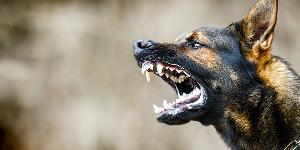
There is also a serious safety concern. Packs of stray dogs can become aggressive, chasing pedestrians and schoolchildren.
The question is not if a tragedy will occur, but when.
So, what must be done?
First, we need honesty.
Dog ownership is not a fashion statement; it is a lifelong commitment.
If you cannot feed, vaccinate, and care for an animal, you should not own one.
Second, public education campaigns are essential, but so is enforcement.
Municipal assemblies almost certainly have bylaws on pet ownership; it is time to dust them off and enforce them.
Penalties for abandonment, fines for failing to vaccinate, and tickets for not cleaning up waste must become standard practice.
Third, humane stray-control programs, vaccination drives, neutering campaigns, and adoption initiatives should be integrated into city health planning.
This demands coordination across the Ministry of Health, Veterinary Services, and local governments.
Fourth, communities have a crucial role to play.
Neighborhood groups can help identify strays, support adoption efforts, and pressure authorities to act quickly.
Collective action is often the difference between a problem managed and a problem ignored.
Finally, we must improve access to veterinary care.
Affordable services, including mobile clinics in underserved areas, will remove excuses for neglect and reduce health risks for both dogs and humans.
This is not an anti-dog message.
Dogs can be loyal companions and even contribute to community security.
But when they are allowed to roam freely, unvaccinated, unwanted, and uncared for, we endanger them and ourselves.
The Ministry of Health, municipal assemblies, and veterinary authorities must treat this as an urgent public health issue before Accra is confronted with a rabies outbreak or another entirely avoidable tragedy.
Consider India’s recent experience in New Delhi, where an estimated one million stray dogs roam the streets.
The situation sparked intense public debate and even resulted in a series of
conflicting orders from India’s Supreme Court on how to manage the crisis.
We can avoid such turmoil in Ghana, but only if we act now.

Copyright © 1994 - 2026 GhanaWeb. All rights reserved.










