



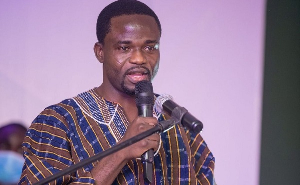
 Manasseh Azure
Manasseh Azure has confused arrests made under law with “attacks on free speech. In his latest post, published 3 days ago, he accused President Mahama of presiding over a “military regime”-style crackdown after the arrest of Abronye DC and others for alleged false news. But Ghana still has a law against publishing false information that causes fear and panic.
That law existed long before Mahama returned to office, and it was designed for cases where falsehoods trigger public alarm, like the fake earthquake reports Manasseh himself cited.
If the state arrests someone for allegedly violating that law, that’s a law enforcement action, not automatic censorship. You can argue the law is bad, or that it’s being misapplied. But calling every arrest an attack on free speech erases the difference between speech and alleged criminal conduct. Free speech doesn’t mean freedom from consequences for breaking existing laws.
Manaseh ignores his own record of defending President Mahama’s tolerance. For 8 years under Akufo-Addo, Manasseh repeatedly said Mahama’s first term was better for free expression. He wrote that he “lived that freedom under your presidency” and believed in Mahama’s tolerance, even when you were the target of toxic speech.
Now he says he feels “ashamed” and compares the atmosphere to a military regime. The shift happened after a few arrests, but nothing has changed in the legal framework or in President Mahama’s public stance on press freedom. If Manasseh was right, then it’s inconsistent to declare Mahama’s character reversed without showing a change in policy or direct orders from the president. Otherwise, it looks like a reaction to political optics, not evidence.
Ironically, blames President Mahama for the actions of the police and prosecutors, whom he doesn’t control. Manasseh argues that because Mahama appointed the IGP and BNI Directors, he’s responsible for every arrest. That’s not how executive authority works in a constitutional system. The president appoints, but Ghana’s police and prosecutors are supposed to operate independently in individual cases.
If the complaint is that the law is being abused, the answer is to challenge the abuse in court, push for reform, or demand clearer guidelines, #not to declare the president a free speech enemy for not personally intervening in every case. By that logic, no president in any democracy could ever be called pro-free speech.
The attack undermines the cases where free speech is actually threatened. President Mahama’s administration has acted on Manasseh’s own investigations before. He admitted that contracts he exposed were cancelled under Mahama, and said: “There is no greater motivation and encouragement to investigative journalists than acting on their work”. The same Manasseh applauded President Mahama for affording journalists a “conducive atmosphere” to work.
When you label that same administration a threat to free expression over arrests made under an old law, you make it harder for the public to distinguish real suppression from routine political friction. That weakens the credibility of journalists when genuine censorship does occur.
Manasseh’s criticism rests on a false equation, which is: arrest plus criticism equates to an attack on free speech. If the law against false news is being abused, argue against the law and its application. But turning a policy disagreement into a moral indictment of Mahama’s commitment to free speech doesn’t match the facts of his record or the mechanism of how free speech actually works.

Copyright © 1994 - 2026 GhanaWeb. All rights reserved.










