



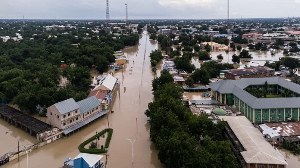
 Flooding exposes climate risks and public actions
The recent heavy rainfall that affected Accra once again brought tragedy, loss of lives, destruction of property, and displacement of families. While the intensity of the rainfall was a contributing factor, the scale of the flooding reflects a broader issue involving both changing climate conditions and human activity.
Climate variability is increasingly becoming a reality rather than a distant projection. Unpredictable rainfall patterns and more intense downpours are consistent with global climate trends that are also affecting Ghana. Many urban drainage systems were designed for less extreme weather conditions and are now under significant pressure.
However, it would be incomplete to attribute the flooding solely to climatic factors. In several affected areas, drainage channels were found blocked with solid waste, including plastics and other refuse. These blockages result from gradual accumulation over time, driven by everyday disposal habits and the misuse of drainage systems.
When heavy rainfall occurs under such conditions, drainage systems fail to function effectively. Water is prevented from flowing freely, leading to flooding that could have been reduced through better waste management and regular maintenance.
This situation reflects two overlapping challenges. First is the need to adapt infrastructure and planning to changing climate conditions. Second is the continued strain placed on these systems by human behaviour. While public discussion often focuses on government responsibility during such events, the effectiveness of infrastructure is also influenced by how responsibly it is used and maintained by citizens.
A related concern is that similar patterns of environmental neglect are beginning to appear in some rural communities. Although the impact is currently less severe, the gradual accumulation of poor waste practices and blocked drainage systems presents a risk if not addressed early.
Flooding events of this nature rarely have a single cause. They result from the interaction between environmental changes and accumulated human actions over time. A single act of improper waste disposal may appear insignificant, but repeated across many households, it becomes a serious environmental challenge.
Addressing this issue requires a combined response. Climate adaptation must be prioritised through improved infrastructure planning, while environmental education, waste management systems, and enforcement of sanitation regulations must be strengthened.
Preventing future flooding will depend on both institutional measures and public responsibility. Without this balance, communities may continue to face avoidable and increasingly severe environmental disruptions.

Copyright © 1994 - 2026 GhanaWeb. All rights reserved.










