


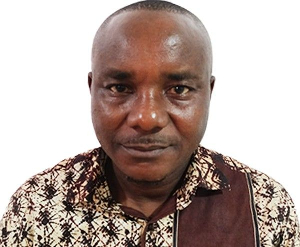
 Samuel Yawson is a final Year PhD Clinical Sport Psychology Student at the University of Ghana
Issues of sexual abuse in Ghanaian Senior High Schools have been on the rise. Recently, the Headmaster of Obuasi Senior High Technical School in the Ashanti Region, Zakaria Abdulai, has been accused of sexually abusing up to 19 girls in his school over the last two years.
Despite these allegations of sexual misconduct, discussions in the Ghanaian media space have focused on the medical, legal and social aspects of the abuse, forgetting about the lasting psychological trauma that these girls would experience in the short and long term.
This article tends to highlight more on the psychological impact that these victims of the alleged sexual abuse would experience in the immediate and long term, some psychological interventions that could help ameliorate the symptoms and finally how this psychological trauma could be quantified in monetary terms for the victims.
Immediate and Long-Term Psychological Effects.
Hours and days after a sexual assault, victims may experience a wide range of emotional and psychological symptoms such as shock, disbelief, numbness, fear and anger.
In the short term, persons may suffer from Acute Stress Disorder (ASD), which may manifest itself in various ways such as intrusive thoughts, nightmares and dissociation.
While some individuals may experience a decline in symptoms within a month, others might continue to struggle with their emotional and psychological wellbeing and develop Post-Traumatic Stress Disorder (PTSD).
Survivors of sexual assault are at an increased risk of developing major depression. They may experience persistent sadness, hopelessness and a loss of interest in activities they once enjoyed, changes in sleep and appetite, fatigue and even thoughts of suicide.
Anxiety is another common mental health challenge faced by survivors of sexual assault. They may develop generalised anxiety disorder, panic attacks, or social anxiety, which can interfere with their personal, occupational and social functioning. Additionally, they may develop specific phobias related to the assault, such as fear of being alone or in specific environments.
In some cases, survivors may experience dissociation as a coping mechanism to distance themselves from the traumatic event. Dissociation can manifest as feelings of detachment from one’s body, emotions, or surroundings.
In more severe cases, survivors may develop dissociative disorders such as dissociative amnesia, which involves an inability to recall important information about the traumatic event.
To cope with the emotional pain and distress, some survivors may turn to alcohol and drugs to escape. Unfortunately, this can lead to substance abuse and addiction, further complicating their path to recovery.
Survivors may struggle with shame, guilt and self-blame. These emotions can erode their self-worth, leading to long-lasting self-esteem issues. As a result, they may question their judgment, feel unworthy of love or respect and have difficulties asserting their needs and relationships.
Again, survivors may experience difficulties in forming and maintaining close relationships. They may withdraw from friends, family and romantic partners. As time wears on, they may develop trust issues or fear of intimacy, making it challenging to establish and maintain healthy relationships with others.
Sleep disturbances such as insomnia, nightmares, or night sweats are common after sexual assault. These disruptions in sleep patterns can contribute to fatigue, irritability and difficulty in concentration. Sometimes, sleep disturbances may persist for months or years, significantly impacting a survivor’s quality of life.
Sexual assault can trigger disordered eating behaviours to cope with emotional turmoil. Survivors may experience changes in appetite, weight loss or gain and emotional eating. However, these behaviours can develop over time into eating disorders such as anorexia, bulimia, or binge eating disorder.
Sexual assault can have long-lasting physical health consequences. Chronic pain, headaches, and gastrointestinal issues are common complaints among survivors. The stress and anxiety associated with trauma can also weaken the immune system, making individuals more susceptible to illness.
Conclusions
Survivors of this sexual abuse can receive counselling and psychoeducation from Counseling and Clinical Psychologists to normalise and reduce the effects of the symptoms on these girls in the short term.
However, for some individuals, symptoms could persist even into adulthood and affect their daily functioning. Parents and caregivers should provide the social support they need at this time of trauma without criticising them. This could give the girls the confidence and trust to talk about the incident thoroughly.
Clinical and Counselling psychologists could have scheduled meetings with these girls to assess, diagnose and provide psychological interventions to reduce the effects of the trauma; otherwise, symptoms could persist throughout the lives of these individuals.
Finally, the long-lasting trauma experienced by these girls could be quantified in monetary terms for the abuser to pay if found culpable by the courts.

Copyright © 1994 - 2026 GhanaWeb. All rights reserved.










