


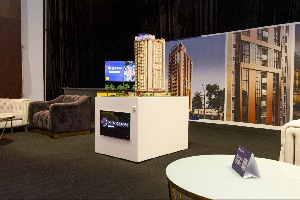
 A modern residential building featuring energy-efficient designs
A cursory look across the skyline of Accra and into key urban regional capitals like Kumasi and Takoradi, indicates, a subtle transformation is underway in Ghana’s property sector. The sector which is driven by rapid urbanization, rising utility costs, and a growing climate consciousness, has made real estate developers and homeowners alike to look beyond conventional concrete and national grid dependence.
In view of this, the intersection of green technology and real estate is becoming a strategic necessity for long-term urban resilience.
1. The Green Necessity in Urban Ghana
Ghana’s urban population continues to expand rapidly, creating an unprecedented demand for modern housing, commercial hubs, and infrastructure. However, this expansion faces significant hurdles: Energy Reliability and Costs: Frequent grid supply fluctuations and escalating electricity tariffs make power resilience a top priority for developers and residents alike.
Resource Management: Urban water shortages and climate variability show the need for smart water management systems in high-density residential complexes.
Housing Deficit: With an estimated national housing shortage exceeding 1.7 million units, developers face the dual challenge of scaling construction quickly while maintaining operational affordability.
2. Key Pillars Driving the Transition
A. Certified Sustainable Construction
International green building frameworks, particularly the IFC’s EDGE (Excellence in Design for Greater Efficiencies) certification and local standards from the Ghana Green Building Council (GHGBC), are setting new industry benchmarks.
Leading developers are also demonstrating that integrating energy-efficient design can slash energy and water usage by over 30%. These certifications validate thermal efficiency, natural ventilation, and lower embodied energy in building materials for investors.
B. Solar PV and Decentralized Energy
With Ghana receiving an average of 4.0 to 6.5 kWh/m² of solar radiation daily, solar photovoltaic (PV) systems are becoming standard features in new residential estates and luxury commercial developments. Distributed solar microgrids and smart battery storage systems allow developments to maintain operational autonomy, lower utility bills, and reduce burden on the national grid.
C. Smart Water Systems and Sustainable Materials
To combat water scarcity, developers are embedding rainwater harvesting systems, greywater recycling, and low-flow plumbing fixtures into initial building designs. Additionally, there is a renewed push for locally sourced, low-carbon materials such as compressed earth blocks (CEB) and eco-friendly insulation which reduce structural cooling requirements in tropical climates.
3. Financial and Market Drivers
The adoption of green technology is increasingly backed by economic sense:
Reduced Operating Expenses: High energy efficiency translates directly to lower utility bills, enhancing net operating income for commercial landlords and reducing cost-of-living burdens for homeowners.
Green Finance Opportunities: Financial institutions and multilateral organizations are expanding green mortgage products and sustainability-linked loans, making capital more accessible for certified sustainable projects.
Expat and Investor Demand: Diaspora buyers and corporate tenants increasingly demand Energy Saving Grid -compliant real estate, creating higher occupancy rates and capital appreciation for sustainable developments.
4. Overcoming Implementation Challenges
While the momentum is quite strong, the sector faces key hurdles: Upfront Costs: Premium technology and imported eco-materials still require higher upfront capital investments, despite long-term payback benefits.
Skill Gaps: Expanding the technical workforce to install and maintain specialized green technologies requires ongoing vocational and industry training. Policy Integration: Strengthening national enforcement of green building codes and streamlining municipal approvals for sustainable developments remain critical priorities for regulators.
The Future
Ghana’s real estate sector is at a pivotal crossroads and developers, architects, and financial institutions shaping the future of West Africa’s built environment must integrate energy- efficient design which can slash energy and water usage by over 30% thereby making Ghana carve out a scalable blueprint for resilient urban growth across the region.

Copyright © 1994 - 2026 GhanaWeb. All rights reserved.










