



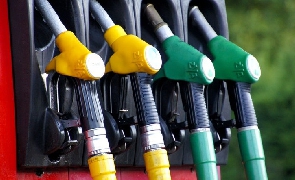
 File photo of fuel pumps
Fuel prices could remain high in Tanzania until December or early next year as continued tensions around the Strait of Hormuz keep global oil markets volatile, oil marketers have warned.
The warning comes after the Energy and Water Utilities Regulatory Authority (Ewura) raised fuel price caps for October, reversing three consecutive months of declines.
Tanzania Association of Oil Marketing Companies (Taomac) executive director Raphael Mgaya said the outlook remained uncertain, with geopolitical tensions limiting the possibility of significant relief in the short term.
“To be honest, the situation is still fragile. Given the geopolitical environment, the chances of significant relief in the near term are limited. We may have to wait until December or possibly early January, depending on how the situation develops,” he told The Citizen on Thursday, October 7, 2026.
He said fuel currently entering the market had been ordered in August, before the latest deterioration in the geopolitical situation, meaning the effects of the disruption were now being reflected in domestic prices.
Mr Mgaya said prolonged instability was also increasing operating and financing costs as disruptions to supply chains made it more expensive to transport petroleum products.
government can protect itself 100 percent from such shocks. There are mitigation measures, but we are dealing with a situation that is unpredictable. What we can do is mitigate the impact and adapt as the situation develops,” he said.
Ewura announced new maximum retail prices effective Thursday, October 8, 2026, raising the price of petrol in Dar es Salaam by Sh261 to Sh4,057 a litre and diesel by Sh209 to Sh4,086.
The increases followed a rise in international prices of refined petroleum products during September, which Ewura attributed to renewed Middle East tensions affecting oil production, supply and shipping.
Tanzania Petroleum Development Corporation (TPDC) managing director Mussa Makame said the Government was closely monitoring developments in the international market and would take action when necessary.
He said the latest increase followed a reversal in global oil prices after fighting resumed between the United States, Israel and Iran following a period of relative calm.
“Fuel prices are largely influenced by oil prices in the global market. Global market prices have been rising and falling depending on the impact of the war between the United States, Israel and Iran,” he said.
The impact is more pronounced in some inland markets, where transport and distribution costs push prices higher. Kyerwa District in Kagera has the highest October petrol cap at Sh4,370 a litre, while diesel is capped at Sh4,399.
At the Port of Tanga, petrol is capped at Sh4,123 a litre and diesel at Sh4,152, while in Mtwara the respective prices are Sh4,170 and Sh4,199.
Ewura director general Salum Mnuna said the Government was monitoring global developments and taking measures to safeguard supplies and keep prices affordable.
The October figures are maximum retail prices, meaning oil marketing companies can sell below the caps while remaining within regulatory requirements.
The Government had earlier tasked TPDC with sourcing petroleum products on its behalf during periods of global market disruption, placing the corporation at the centre of efforts to secure supplies.

Copyright © 1994 - 2026 GhanaWeb. All rights reserved.










