



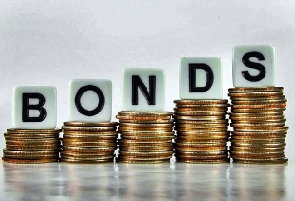
 Bonds are investment instruments through which you lend money to an entity
“Money makes the world go round,” as the saying goes, is indeed a popular and true statement. Money remains one of the most essential assets people have and desire.
Having the means to buy what you want can be considered one of life’s simplest yet most valuable blessings. However, if you don’t manage your money wisely, you may end up living a life of dependence.
One of the safest ways to grow your money or preserve its value is by investing in bonds.
Bonds are investment instruments through which you lend money to an entity, typically a government or corporation, for a specified period. In return, you earn interest based on the terms of the agreement, whether for a long- or short-term project.
Buying bonds is generally regarded as a relatively safe way to grow your wealth, especially when you don’t need immediate access to the funds.
If you are considering buying bonds, here are 5 key things you must know:
1. Understand the bond market and how it operates
When you buy a bond, in other words, lend your money to a government or company, you enter what is called the bond market. Bonds are essentially loans that pay interest over time and return your original investment at the end, known as maturity.
Bonds recover as government eyes return to market
2. Different types of bonds carry different risks
Buying bonds is not risk-free. As an investor or prospective bondholder, you need to be aware of the risks involved. Just as with any investment, it’s advisable not to put all your savings into bonds.
Certain bonds, such as municipal bonds, may offer tax advantages. Make sure you understand the differences before making a choice.
3. Bond prices and interest rates move in opposite directions
One of the most important things to understand about bonds is their relationship with interest rates. When interest rates rise, the prices of existing bonds typically fall. Conversely, when interest rates fall, the value of existing bonds usually increases because they pay more interest than newly issued bonds. If you plan to sell a bond before maturity, its market value could be higher or lower depending on current interest rates.
4. Credit ratings can help you gauge your risk
Monitoring credit ratings from rating agencies can help you assess the risk of a bond. Higher-rated bonds generally have lower risk, but they usually offer lower interest payments. Lower-rated bonds may carry higher risk but potentially greater rewards.
5. Always match your bonds with your financial goals
Bonds are great for generating steady income and preserving capital, making them ideal if you want less risk or are nearing retirement. If your goal is fast growth, stocks might be a better option.
SP/MA
Watch the latest edition of BizTech below:

Copyright © 1994 - 2026 GhanaWeb. All rights reserved.










