



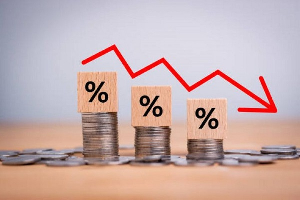
 Ghana's inflation rate for June 2025 is 13.7%
The Ghana Statistical Service just announced on July 2, 2025, a dramatic decrease in Ghana’s year-on-year inflation rate, which fell to 13.7% in June 2025 from 18.4% in May.
This is the sixth straight fall in inflation this year, and the lowest amount since December 2021.
According to Government Statistician Dr Alhassan Iddrisu, the fall is principally caused by a slowing in the overall price levels of groceries and other commodities, indicating a reduction in the inflationary pressures that have hampered businesses and consumers alike.
This sustained disinflation presents considerable prospects for Ghana’s small and medium-sized firms (SMEs), which make up more than 70% of the workforce and 40% of GDP. However, it also introduces obstacles that necessitate strategic adaptation.
This article explores six significant ways that lower inflation affects SME operations, showing both the benefits and potential challenges for business owners in this changing economic context.
Lower Input Costs and higher Profit Margins
The dramatic decrease in food and other commodity prices directly cuts input costs for SMEs, notably those in agribusiness, food processing, and retailing. For example, businesses that source raw materials such as maize, yam, or chicken feed benefit from stable prices, allowing them to reduce manufacturing costs.
This cost reduction can boost profit margins, allowing SMEs to reinvest in operations, recruit more employees, or expand product lines.
For example, a small-scale bakery may notice lower flour and sugar prices, resulting in increased profitability or the capacity to offer competitive pricing. However, SMEs must closely monitor supplier dynamics because some may delay passing on cost savings, thus limiting immediate gains.
Enhanced Consumer Purchasing Power
A lower inflation rate boosts consumers’ real income since the cost of goods and services rises less than earnings or savings. This increase in spending power fuels demand for SME products and services, especially in consumer-facing industries such as retail, hotel, and personal care.
According to data from the Ghana Statistical Service, food inflation, a primary driver of overall inflation, has drastically decreased, allowing people to dedicate more of their budgets to non-essential products and services.
For SMEs, this means increased sales volumes, as evidenced in urban marketplaces where demand for locally made goods has increased.
Reduced Pressure on Price Adjustments
High inflation frequently requires SMEs to modify their prices to accommodate rising costs, eroding customer trust and complicating planning. The steady drop in inflation to 13.7% relieves this strain, allowing SMEs to maintain consistent pricing for longer periods of time.
This stability encourages customer loyalty since people value predictable pricing, especially for necessities like food and household goods.
For example, a small grocery business can avoid repeated price increases, maintaining clients who would otherwise switch to larger competitors.
However, SMEs must strike a balance between stability and competitive pricing in marketplaces where larger enterprises can use economies of scale to reduce prices even lower.
Improved Access to Affordable Credit
The reduction in inflation has forced the Bank of Ghana to cut its monetary policy rate by 300 basis points to 25% in July 2025, lowering the benchmark for commercial lending. This provides prospects for SMEs, who frequently rely on loans to fund operations or expansion, to obtain lower-cost credit.
Lower interest rates reduce the cost of borrowing for working capital, equipment purchases, and inventory replenishment. For example, a small manufacturing company could obtain a loan to improve machinery, increasing output without the burden of excessive interest payments.
Improved Business Confidence and Investment
The steady drop in inflation indicates macroeconomic stability, which boosts confidence among SMEs. Surveys conducted by the Association of Ghana Industries (AGI) show that firms are becoming more optimistic as inflation falls and the cedi rises.
This confidence encourages SMEs to make long-term investments like increasing manufacturing capacity, using new technology, or entering new markets.
A small farm, for example, can invest in irrigation systems to boost crop yields, leveraging stable input costs and rising consumer demand. However, SMEs must be vigilant against external threats, such as global commodity price volatility, which could derail this good trend.
Challenges of Managing Competitive Pressures
Lower inflation supports SMEs by reducing costs and increasing demand, but it also increases competitiveness as larger enterprises and foreign items become more inexpensive.
SMEs with limited economies of scale may struggle to compete on price, especially in areas such as retail and manufacturing.
Imported consumer goods, for example, may be cheaper than locally manufactured commodities due to the cedi’s appreciation.
To counteract this, SMEs must differentiate their offers through quality, branding, or locally tailored services. Furthermore, the prospect of additional disinflation may lead SMEs to drop prices prematurely, potentially pinching margins if supplier cost reductions lag.
Conclusion
The reduction in the inflation rate to 13.7% in June 2025, will provide a relief for business owners relief from the cost pressures that have hampered expansion in previous years.
This disinflation fosters a dynamic environment for SMEs by cutting input prices, increasing consumer demand, stabilizing pricing, improving financing access, raising confidence, and posing competitive challenges.
To flourish, SMEs must implement proactive tactics such as optimizing processes, accessing low-cost credit, and differentiating their products to meet rising demand.

Copyright © 1994 - 2026 GhanaWeb. All rights reserved.










