



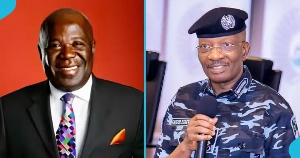
 Ghanaian businessmen file a lawsuit against senior Nigerian police and anti-corruption officials
A group of Ghanaian businessmen behind the River Park Estate development in Abuja has filed a lawsuit against senior Nigerian police and anti-corruption officials, accusing them of harassment, intimidation, and suppressing a key investigative report in an ongoing land ownership dispute.
According to a report by Starrfm.com.gh, the suit, filed at the Federal High Court in Abuja, names the Inspector General of Police, the FCT Commissioner of Police, the Head of the IGP Monitoring Unit, DCP Akin Fakorede, and top officials of the Economic and Financial Crimes Commission (EFCC), including Zonal Commander Michael Wetkas and investigator Eunice Vou Dalyop.
The Ghanaian investors, led by Sir Samuel Esson Jonah, Kojo Ansah Mensah, and Victor Quainoo, are seeking ₦200 million in exemplary damages.
They are also demanding the immediate release of the findings of a Special Investigation Panel that probed the dispute, and are seeking a perpetual injunction to stop further harassment.
The dispute centers on a 2013 joint venture agreement involving JonahCapital and its development partner, Houses for Africa, who allege that Paulo Homes Limited and its CEO, Paul Odili, illegally encroached on over 120 hectares of land beyond what was agreed.
The Ghanaian developers further accuse Mr. Odili of falsifying land approval documents to claim ownership of the disputed plots.
Despite the completion of an internal police investigation, the plaintiffs claim that the report remains unpublished.
Instead, they allege a fresh investigation has been launched by the same police unit, an act they believe is intended to undermine the original findings and place them at risk of double jeopardy.
Adding a diplomatic dimension to the case, both the Ghana High Commission in Nigeria and the Office of the Attorney General of the Federation have formally requested access to the investigative report, but those requests have reportedly been ignored.
The plaintiffs argue that their constitutional rights, specifically their rights to dignity, property, and freedom of movement, have been violated.
They cite Sections 35 and 36 of the Nigerian Constitution and provisions in the African Charter on Human and Peoples’ Rights.
As the case heads to court, the Ghanaian investors say they are counting on the Nigerian judiciary to uphold the rule of law, ensure accountability, and safeguard the rights of foreign investors operating within the country.
DR/MA
Meanwhile, watch as victims of the June 3 disaster decry 10 years of neglect by the state:

Copyright © 1994 - 2026 GhanaWeb. All rights reserved.










