



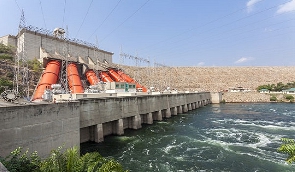
 Akosombo Dam
An analysis by the Institute for Energy Security (IES) points to heightening risks of instability across the country’s power system.
New data show that the domestic electricity system is coming under strain as its two largest hydroelectric dams – the Bui and Akosombo Dams – face simultaneous pressure.
The report identified 2024 as the peak of hydrological stress, with 2025 marking a persistence phase – indicating what the Institute’s analysts described as a multi-year deficit cycle rather than a temporary fluctuation.
Over the four-year period, Bui’s reservoir followed a consistent seasonal pattern – peaking between August and October before declining steadily, with its lowest levels recorded between February and April.
However, recent years have shown deeper troughs and weaker recovery cycles, particularly in the first quarter – which has now emerged as the system’s most vulnerable period.
This development comes as both Bui and Akosombo experience reduced inflows and increased demand pressures, limiting the ability of one dam to compensate for the other… a key stabilising feature in previous years.
IES hence warns that the growing synchronisation of stress across Ghana’s hydro plants could significantly weaken supply reliability, especially during peak demand periods.
Historically, hydropower has provided a dependable base for Ghana’s electricity generation – supporting both domestic consumption and exports to neighbouring countries. But the new findings suggest that this reliability is being eroded by a combination of operational pressures and changing climate conditions.
Operators leaned more heavily on thermal generation – including plants run by Volta River Authority and independent power producers. However, this shift has implications for both cost and system efficiency.
The Institute has called for improved planning frameworks that recognise seasonal vulnerabilities – particularly in the first quarter – and emphasised a need for strategic water conservation to preserve minimum operating levels.
Establishing clearly defined elevation thresholds below which generation is restricted will help prevent the system from entering dangerously low operating zones.
There is a strong case for accelerating the deployment of complementary renewable energy sources – particularly solar power, which naturally peaks during the dry season and can therefore offset reduced hydro output.

Copyright © 1994 - 2026 GhanaWeb. All rights reserved.










