



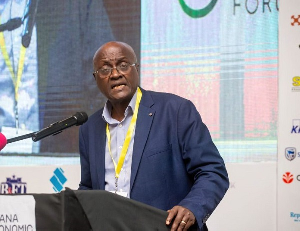
 Richmond Atuahene is a financial analyst
Financial analyst Richmond Atuahene has explained why the decline in Ghana’s inflation rate has not translated into relief for households, pointing to weak purchasing power and long-standing structural challenges.
Ghana’s inflation rate fell to 3.2% in March 2026, extending a steady decline over the past 15 months and reaching its lowest level since 2021.
Despite this improvement, many Ghanaians say their daily expenses remain high, with little change in the cost of essentials such as food, transport, fuel, and utilities.
Speaking in an interview on the Citi Breakfast Show on Thursday, April 16, 2026, he explained that the disconnect between lower inflation figures and lived experiences is due to the lingering effects of the sharp rise in prices in recent years.
Lower inflation does not mean lower prices
“There is a lag in the economy, and it is because inflation went to about 54% in 2022. Even though it has come down to 3.3%, the effects are delayed. This means that the rate at which inflation increased does not reverse at the same pace,” he said.
He further noted that incomes have not increased at the same pace as prices, which continues to weaken the spending power of ordinary citizens.
“That is why once incomes lag behind, purchasing power declines… it has eroded the purchasing power of the average Ghanaian. No matter the inflation figures you see, you must remember that whatever savings you had may have already been wiped out,” he said.
Atuahene also highlighted structural inefficiencies in the economy as a major reason prices remain high, particularly challenges in transportation and logistics.
“Someone cultivating tomatoes or yams in a rural area could previously deliver this produce to Accra within five hours. Today, it takes more than 10 hours to transport tomatoes from Kete Krachi to Accra,” he said.
He added that poor road networks and the lack of a reliable railway system continue to drive up the cost of goods, even when inflation appears stable.
“In countries where these structural issues have been addressed, both inflation and the cost of living are better managed than what we have here,” he said.
“Even if inflation is zero, if you produce in my village, by the time it gets to Accra, transport costs and wastage alone can push prices up,” he added.
SO/MA
FULL SPEECH: Tsatsu Tsikata delivers inspiring speech at Honorific Lecture and Award event

Copyright © 1994 - 2026 GhanaWeb. All rights reserved.










