



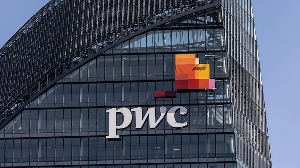
 Photo of PricewaterhouseCoopers (PwC) building
PricewaterhouseCoopers (PwC) has warned that Ghana’s economy remains highly vulnerable to external global shocks, despite showing strong signs of recent domestic recovery.
In its latest economic analysis report released on Wednesday, July, 29, 2026, the professional services firm highlighted that while local fiscal interventions and debt restructuring efforts have stabilized macroeconomic indicators, the country cannot yet fully shield itself from volatile global markets.
Key Risks Identified:
Commodity Pricing: Sharp fluctuations in global gold, cocoa, and crude oil prices threaten revenue stability.
Tight Global Liquidity: High interest rates in developed economies limit affordable access to foreign capital markets.
Geopolitical Tensions: Ongoing international conflicts continue to disrupt supply chains, driving up freight and import costs.
Currency Pressures: External debt servicing demands keep the Ghanaian Cedi exposed to depreciation risks.
The Path Forward:
PwC emphasized that long-term economic resilience requires aggressive economic diversification.
The firm has thus urged policymakers to accelerate local manufacturing, enhance agricultural value chains, and build robust foreign exchange reserves to act as a buffer against inevitable external turbulence.

Copyright © 1994 - 2026 GhanaWeb. All rights reserved.










