


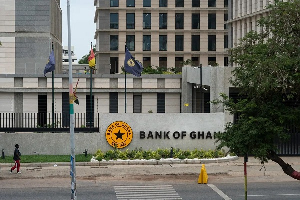
 The Bank of Ghana (BoG)
Borrowing costs in Ghana have declined significantly, with the average commercial bank lending rate falling to 15.9% in August 2026, from 24.2% in the same period last year.
The 8.3-percentage-point decline could provide some relief for businesses and individuals seeking loans, as falling inflation and improving economic conditions create room for lower interest rates.
According to the Bank of Ghana (BoG), the decline follows a series of monetary policy decisions aimed at easing borrowing costs and supporting economic activity.
The Central Bank’s Monetary Policy Rate fell to 14% in August 2026, from 25% in August 2025, representing an 11-percentage-point reduction over the period.
'GoldBod activities have created over 1,300 jobs' – Sammy Gyamfi
The reduction reflects the Bank of Ghana’s response to declining inflation and improvements in the country’s overall economic conditions.
The Interbank Weighted Average Rate, which measures the average interest rate at which banks lend to one another, also dropped to 10.2% in August 2026, from 23.3% a year earlier.
The decline suggests that banks are accessing funds at lower costs, potentially creating room for cheaper loans to businesses and households.
Treasury bill rates have also fallen, reducing the government’s cost of borrowing from investors.
The 91-day Treasury bill rate declined to 5.4% in August 2026, from 10.3% a year earlier, while the 182-day rate dropped to 7.3%, from 12.3%.
Similarly, the 364-day Treasury bill rate fell to 12.2%, compared with 13.1% in August 2025.
The Bank of Ghana attributed the decline in interest rates to strong investor demand for short-term government securities, improved inflation expectations and government efforts to reduce domestic borrowing costs.
Despite the fall in nominal interest rates, the Central Bank indicated that real interest rates remained positive, as inflation declined faster than nominal interest rates.
Meanwhile, interest rates on longer-term government bonds, with maturities ranging from two to 20 years, remained largely unchanged due to limited trading activity.
'They stole my business idea' – Woman accuses East Legon laundry company of 'copying' her plans
The decline in borrowing costs could create opportunities for businesses to access cheaper credit, expand their operations and invest in growth. However, the extent of the benefits will depend on how quickly commercial banks pass on the reductions to their customers.
DR/MA
Inside Ghana’s First 950,000-Barrel Sankofa Oil Shipment | Exclusive Tour

Copyright © 1994 - 2026 GhanaWeb. All rights reserved.










