



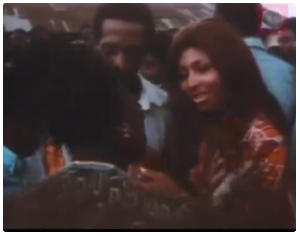
 An image of Ike and Tina Turner at the 1971 soul to soul
Long before Ghana became known for events like 'AfroFuture' and the 'Year of Return', and so on, Accra hosted one of the most significant musical gatherings in Black history.
On March 6, 1971, when Ghana celebrated its 14th Independence Anniversary, Black Star Square (Independence Square) transformed into a global stage for the historic Soul to Soul concert, a remarkable 15-hour musical marathon that united some of the biggest African-American stars with Ghanaian music legends in a celebration of culture, identity and Pan-Africanism.
From 5:30 p.m. until nearly 7:00 a.m. the next morning, the square echoed with soul, gospel, rock, highlife and African rhythms before an estimated crowd of more than 100,000 people, making it one of the largest concerts ever held on the continent at the time.
The event brought together an unforgettable lineup of international icons, including Ike & Tina Turner, Wilson Pickett, Santana, Roberta Flack, The Staple Singers and Les McCann. Sharing the stage with them were celebrated Ghanaian musicians such as Guy Warren (Kofi Ghanaba), Charlotte Dada, Kwaa Mensah and The Magic Aliens, creating a rare musical exchange between Africa and its diaspora.
Every performance left its mark.
Throwback Thursday: The magic of 'Anansesem'
Ike & Tina Turner delivered a breathtaking finale with powerful renditions of “River Deep Mountain High” and the timeless “Proud Mary.”
Wilson Pickett had the crowd dancing with energetic performances of “Land of 1000 Dances” and “In the Midnight Hour,”
while Santana captivated audiences with his signature fusion of rock and Latin percussion through songs like “Black Magic Woman” and “Gypsy Queen.”
The Staple Singers brought a deeply spiritual atmosphere with performances of “When Will We Be Paid” and “Respect Yourself.”
But Soul to Soul was far more than a concert.
The festival stood as a powerful symbol of Pan-Africanism, reconnecting Africa with the African diaspora through music. Marketed under the inspiring tagline “Where It All Started,” the event represented a symbolic homecoming for many African-American performers, several of whom were visiting the African continent for the very first time.
The concept echoed the vision of renowned writer and activist Maya Angelou, who lived in Ghana during the 1960s and championed stronger cultural ties between Africa and people of African descent across the world.
The concert also reflected the enduring ideals of Dr. Kwame Nkrumah, Ghana’s first President, whose dream of African unity and collaboration with the diaspora continued to inspire cultural initiatives years after his presidency.
By blending American soul, gospel and rock with Ghana’s rich highlife traditions, the festival created a creative bridge that still influences international celebrations of African culture today.
Many historians and music lovers regard Soul to Soul as a precursor to modern festivals such as AfroFuture, which continues to position Ghana as a global destination for Black culture and creativity.
The historic concert was documented on film and released later that same year as the acclaimed documentary Soul to Soul, preserving one of the greatest nights in African music history for future generations.
More than five decades later, the echoes of that unforgettable night still resonate, reminding the world that Ghana has long been more than a destination; it has been a meeting point where history, music and identity come together.
This Throwback Thursday, we remember the night Black Star Square became the heartbeat of Black music and Ghana cemented its place in global cultural history.
@ghanaianmuseum Accra, Ghana, 6 March 1971 — More than 100,000 people gathered at Black Star Square for the legendary 15-hour “Soul to Soul” concert, held as part of Ghana’s 14th Independence anniversary celebrations. The historic event brought Ike & Tina Turner, Wilson Pickett, Santana, The Staple Singers, Roberta Flack and other African American artists to Ghana, performing alongside Ghanaian and African musicians such as Guy Warren/Kofi Ghanaba, Charlotte Dada, Kwaa Mensah and The Magic Aliens. It became a powerful Independence Day celebration of music, African identity, and unity between Africa and the diaspora.
♬ original sound - Ghanaianmuseum

Copyright © 1994 - 2026 GhanaWeb. All rights reserved.










