



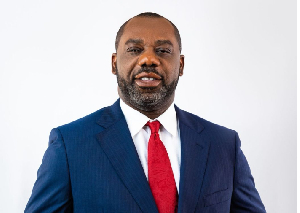
 Dr Matthew Opoku Prempeh, former Energy Minister
When politicians mount the campaign platform and make promises, they are not merely speaking into microphones, they are speaking into people’s lives.
According to Dr Matthew Opoku Prempeh, campaign messages resonate far beyond slogans; they are heard as hope.
To many Ghanaians, a promise is deeply personal.
It is the parent imagining a better future through quality education for their child.
It is the young graduate hoping for fair access to opportunities.
It is the struggling household yearning for relief from persistent economic pressures. And for entire communities, it is the belief that long-awaited development will finally arrive.
This, he explains, is what gives campaign promises their weight.
They are not abstract ideas, they are commitments tied to real expectations and lived experiences.
Yet, it is precisely this emotional and social investment that makes failed promises so painful.
Dr Prempeh notes that after the elections, governance enters a different phase, one far removed from the energy of campaign trails.
Vision must now contend with reality.
Policies must navigate institutional frameworks.
Budgets must be secured.
Systems must be aligned.
Trade-offs must be made.
And most importantly, implementation must begin.
It is at this stage, he observes, that many well-intentioned promises begin to falter.
Not necessarily because leaders lack sincerity or awareness of national needs, but often because the pathway from promise to delivery was not clearly mapped out from the beginning.
In many cases, the required structures are weak or absent. Financing is uncertain. Institutions operate in silos.
Implementation strategies are either underdeveloped or overly ambitious without grounding in practical realities.
For Dr. Prempeh, this is where leadership is truly tested.
“The real issue is not whether a promise was made,” he emphasizes, “but whether it was designed for delivery.”
He argues that effective leadership demands more than vision, it requires disciplined execution.
Promises must be structured with implementation in mind.
They must be backed by realistic financing, supported by capable institutions, and guided by clear, actionable plans.
Only then can they withstand the pressures of governance and translate into tangible outcomes that citizens can see and feel in their daily lives.
Drawing from his experience as a former Minister for Education and later Energy, as well as his role as running mate of the New Patriotic Party in the 2024 Ghana general elections, Dr Prempeh underscores a central lesson in public service: delivery is the true currency of leadership.
When promises are thoughtfully designed, properly coordinated, and executed with discipline, they cease to be political rhetoric.
They become lived realities, felt in improved schools, stable energy systems, expanded opportunities, and better livelihoods.
That, he concludes, is the standard by which leadership must be judged.
Execution, ultimately, is leadership.

Copyright © 1994 - 2026 GhanaWeb. All rights reserved.










