



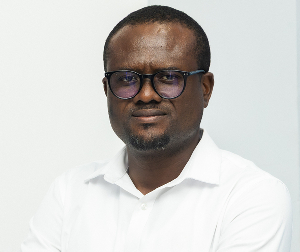
 Daniel Kwame Ampofo Adjei, Development Consultant Policy Communication
The recent announcement by President John Dramani Mahama that Ghana will introduce a “free visa for all Africans” from May 2026 is a strong and bold decision. It has been welcomed by many people across Africa. At the same time, it has raised concern among others.
Public commentary suggests that many people do not fully understand what the policy means. This moment therefore demands effective communication, and the shared responsibility to inform the public clearly.
Under this policy, Africans who want to travel to Ghana will still need a visa, but they will not have to pay for it. They will also be able to apply online through an e-visa system. The intention is to make travel easier, faster, and more accessible, without compromising immigration control.
Unfortunately, public discussion has blurred an important distinction. Many reports and commentaries have erroneously described the policy as visa-free. Visa-free means no visa is required at all. A free visa means the visa still exists, but it is issued at no cost. This may seem like a small difference, but it has shaped how people understand the policy.
From a communication policy perspective, this is where the role of the media becomes critical. Policies are not understood only through official statements. They are interpreted through headlines, talk shows, social media discussions, and everyday conversations.
When the media simplifies too much or uses inaccurate terms, even unintentionally, it can shape public perception in ways that move far from the original policy intent.
At the same time, it is important to recognise that the language of policy is often political. The phrase “free visa for all Africans” carries strong symbolic meaning. It speaks to unity, openness, and leadership. It is designed to inspire. But such language also requires careful interpretation. This is where the media serves as a bridge between policy and the public. It must translate political language into clear, accurate understanding without losing the essence of the message.
Because of this gap, some Ghanaians and other African nationals now believe Ghana is opening its borders completely. Others think the country has already achieved full free movement across Africa. Both views are not accurate. Ghana is easing access, not removing control. The difference matters, and it is the responsibility of both government and media to make that difference clear.
The broader idea behind the policy remains important. Ghana is supporting African unity in a practical way. The African Union has long promoted free movement across the continent, and Ghana is taking a step in that direction. With the African Continental Free Trade Area based in Accra, reducing barriers to movement aligns with economic and regional goals.
However, Africa’s mobility agenda is still uneven. Some countries are more open, others are more restrictive. This means policies like Ghana’s must be understood within a wider context. They are steps forward, but not the final destination.
The economic promise of the policy is obvious. Easier travel can support trade, tourism, and investment. But it is also important to reflect on who benefits most. Business travellers and investors may gain quickly, while ordinary citizens may experience the impact more slowly. These are the kinds of questions that the media can help bring into public discussion.
The issue of security has also been raised, and rightly so. The government has indicated that systems are in place to screen travellers. This shows that access is being improved, not uncontrolled. Nonetheless, public confidence will depend on how well these systems work in practice. Here again, the media plays a key role, not only in reporting concerns, but in following through on how the policy is implemented over time.
What this entire debate shows is that policy communication is not a one-sided task. It is a shared responsibility. Government must provide clear, consistent, and accessible information. But the media must also interpret, verify, and explain that information responsibly. Civil society, too, has a role to play in bridging gaps and supporting public understanding.
In practical terms, this means the media must go beyond headlines. It must explain key terms, provide context, and correct misinformation when it appears. It must ask questions but also help provide answers to strengthens public trust and democratic engagement.
Ghana’s free visa policy is a strong and commendable step forward, and President John Dramani Mahama and his government deserve credit for this bold show of leadership and belief in Africa’s future. But its success will depend on among other factors, how well it is communicated, interpreted, and understood.
In the end, policy is not just what is announced. Policy is what people understand, and that understanding is shaped as much by the media as it is by government.

Copyright © 1994 - 2026 GhanaWeb. All rights reserved.










