



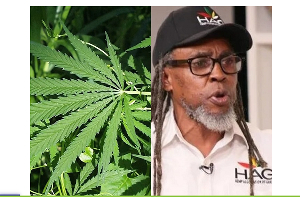
 Nana Kwaku Agyemang is Chief Executive Officer of HEMPIRE Agric Ghana Limited
Coach Nana Kwaku Agyemang, Chief Executive Officer of HEMPIRE Agric Ghana Limited, has called on Ghanaians to embrace industrial hemp cultivation, describing it as a safe and economically beneficial venture that can also support medical treatments, including epilepsy.
Speaking on OTEC FM’s breakfast show Nyansapo on Thursday, February 13, 2026, Coach Agyemang sought to allay public fears about industrial marijuana, stressing that it is different from recreational cannabis.
“This is not about smoking. Industrial hemp does not get users ‘high,’ and it is not dangerous like the other forms of marijuana people are familiar with,” he explained. “It contains very low levels of THC and can be used to support medical treatments such as epilepsy.”
He noted that the emerging industry has the potential to contribute significantly to Ghana’s economic growth through job creation and revenue generation.
“This industry will help Ghana in so many ways, especially in terms of revenue generation, export opportunities, and employment,” he said. “If we position ourselves well, hemp can become a major agricultural and industrial commodity for the country.”
Coach Agyemang’s comments come at a time when the Narcotics Control Commission (NACOC) is preparing to implement Ghana’s licensing regime for medicinal and industrial cannabis cultivation, following parliamentary approval of the regulatory and cost framework.
In a press statement dated February 11, 2026, and signed by Francis Opoku Amoah, Acting Director of Public Affairs and International Relations, NACOC announced that it will begin operationalising the licensing system for the controlled cultivation, processing, and use of cannabis with tetrahydrocannabinol (THC) content not exceeding 0.3 per cent.
According to NACOC, licenses will be issued only to qualified entities that meet strict requirements, including robust security measures, product traceability systems, quality assurance standards, and full compliance with existing laws and regulations.
The Commission emphasised that the new regulatory framework is aimed at ensuring responsible cultivation and use of industrial and medicinal cannabis while preventing abuse and illegal diversion.
Coach Agyemang urged investors, farmers, and policymakers to support the initiative, describing it as a timely opportunity for national development.
“With the right regulations and commitment, industrial hemp can transform our agricultural sector and improve healthcare outcomes,” he told the programme’s host, Kwaku Owusu Boateng (KOB).

Copyright © 1994 - 2026 GhanaWeb. All rights reserved.










