



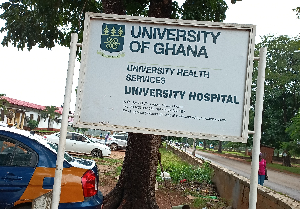
 The Directorate said many of the existing beds were now worn out and outdated.
The University Hospital at the University of Ghana has appealed to individuals, corporate bodies, and community organisation to support the procurement of new beds to enhance patient care, comfort, and safety.
A statement issued and copied to the Ghana News Agency by the Health Services Directorate of the University on Wednesday said the hospital, which currently had a bed capacity of 167, was under increasing pressure due to a rapidly growing patient population.
However, as a quasi-governmental institution, it relied largely on internally generated funds and limited government subventions, which were insufficient to meet its infrastructure and equipment needs.
The Directorate said many of the existing beds had been in use for several years and were now worn out, outdated, and no longer fit for purpose.
This situation, it noted, compromised patient comfort, infection prevention standards, and the overall efficiency of healthcare delivery.
"To address the challenge, the hospital is seeking support to procure 167 manual hospital beds. These include 42 one-crank beds estimated at GHS 2,700 each, 44 two-crank beds at GHS 3,500 each, and 81 three-crank beds estimated at GHS 7,800 each," the statement said.
The statement explained that the beds were essential for safe patient positioning and effective nursing care, stressing that their replacement would significantly improve patient dignity, recovery, and clinical outcomes.
It, therefore, called on donors to sponsor one or more beds as part of the initiative.
It said contributions could also be made through direct deposits or transfers to the University Hospital account at Ecobank, Legon Branch, or by cheque payable to University Health Services.
Alternatively, donors may arrange payments directly with the approved supplier, who would deliver the beds to the facility.
The statement assured prospective donors of transparency and accountability, noting that all contributions would be formally acknowledged.
It added that donors would be publicly recognised in official communications and reports unless they chose to remain anonymous.
"By acting today, whether by sponsoring a bed or sharing this appeal, you can make an immediate and lasting impact on patient care," it stated.

Copyright © 1994 - 2026 GhanaWeb. All rights reserved.










