



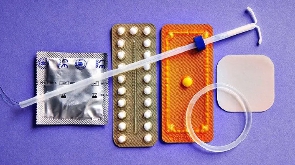
 Condom and other contraceptive pills
The United Nations Population Fund (UNFPA) has issued a stark warning about the global erosion of access to contraceptives as the world prepares for the seventh International Conference on Family Planning (ICFP 2025) in Bogotá, Colombia, from November 1–6, 2025.
In a statement, UNFPA Executive Director Diene Keita emphasized that “contraceptives save lives,” underscoring nearly 50 years of recognition by global health authorities as essential medicine. Yet, funding shortfalls are now threatening stocks in communities worldwide, including Ghana, where reliance on international aid could unravel hard-won gains in reproductive health.
Keita’s remarks come at a critical juncture, just days before ICFP 2025; the world’s premier gathering of advocates, researchers, policymakers, and youth leaders focused on sexual and reproductive health and rights (SRHR). Hosted for the first time in Latin America, the conference theme, “Equity Through Action,” calls for urgent collaboration to safeguard family planning amid rising challenges.
For Ghana, a nation that has made strides in family planning but faces acute vulnerabilities, the statement resonates deeply, highlighting the need for sustainable domestic investment to protect women and girls from unintended pregnancies, maternal deaths, and economic setbacks.
How Ken Ofori-Atta allegedly defied Bawumia's directive to analyse GRA-SML deal - Senyo Hosi
The Global Imperative: Contraceptives as Lifelines
“People want [contraceptives], use them, and rely on them every day,” Keita affirmed, pointing to overwhelming evidence of their transformative power.
When women and adolescent girls have access, pregnancies are more likely to be planned and safe, enabling them to complete education, secure employment, and realize their potential.
Healthier children and more prosperous societies follow, with contraceptives proven to reduce abortion rates and complications from pregnancy and childbirth.
The economic case is equally compelling: Every $1 invested in addressing unmet contraceptive needs generates nearly $27 in benefits, from averted healthcare costs to boosted productivity. U
NFPA and partners have spent decades fortifying supply chains to deliver quality, affordable options, even to remote areas, saving millions of lives. But global funding gaps, exacerbated by geopolitical shifts and aid cuts, are causing stocks to dwindle. Health systems brace for surges in unintended pregnancies, linked to higher maternal mortality (including from unsafe abortions), adolescent pregnancies, school dropouts, and gender-based violence.
Keita’s call to action is clear: “Let’s work together to keep our promise to women and adolescent girls, uphold their rights and choices, and ensure they have access to the contraceptives they need to plan and forge a healthy and prosperous future.”
As ICFP 2025 convenes, this message will fuel discussions on innovative financing, equitable access, and resilient health systems.
Ghana’s Story: Progress Under Threat
In Ghana, UNFPA’s alert, echoes local realities, where family planning has been a cornerstone of maternal health improvements. The country’s modern contraceptive prevalence rate (mCPR) among women aged 15–49 stands at about 27%, up from previous years, reflecting government efforts like the Costed Implementation Plan and integration into the National Health Insurance Scheme (NHIS).
Yet, three in 10 women still face unmet needs, with regional disparities stark, particularly in the North, where indicators lag due to cultural barriers, limited facilities, and low awareness.
Funding disruptions amplify these risks. Historically, USAID covered 45% of Ghana’s contraceptive procurement, but a recent stop-work order has created a massive gap.
UNFPA now supplies 40%, the West African Health Organization (WAHO) 5%, and the government just 10%, leaving supplies vulnerable. Without swift action, Ghana risks reversals in its FP2030 commitments and Sustainable Development Goals (SDGs), especially SDG 3 on health and well-being.
The human toll is evident in the numbers: Unintended pregnancies account for 37% of all pregnancies, with 23% mistimed and 14% unwanted. Over half (58%) of births to girls aged 15-19 and one-third to those aged 20-24 are unintended, fueling unsafe abortions that contribute 12-30% of maternal deaths; the third leading cause after hemorrhage.
Ghana’s maternal mortality ratio remains high at 310 per 100,000 live births, with adolescents facing even greater risks – 1.8 times higher without modern methods.
Pathways Forward: Lessons from Ghana for ICFP 2025
Ghana’s response offers hope and a blueprint. The Ghana Health Service (GHS) Director-General, Dr. Samuel Kaba Akoriyea, recently urged ramping up domestic financing during National Family Planning Week, emphasizing integration into universal health coverage.
UNFPA Ghana advocates for a dedicated budget line—already approved for essential commodities—and comprehensive sexuality education in schools to empower youth. Partnerships with organizations like Marie Stopes International and the Planned Parenthood Association of Ghana have expanded access, but more is needed to bridge the 35% unmet need among married women and 20% among unmarried ones.
At ICFP 2025, Ghanaian delegates are expected to amplify these voices, sharing successes in supply chain strengthening and calls for global solidarity.
Keita implores, protecting these investments is non-negotiable. For Ghanaian women and girls, from bustling Accra markets to northern villages, continued access to contraceptives isn’t just health policy; it’s a pathway to dignity, education, and prosperity.
OSP to charge Ken Ofori-Atta, five others over SML-GRA contract



Copyright © 1994 - 2026 GhanaWeb. All rights reserved.










