



 A joint study by FDA and UNICEF has found alarming levels of lead in some food and cosmetic products
A joint study conducted by the by the Food and Drugs Authority (FDA) and the United Nations Children's Fund (UNICEF), has found that high levels of lead, cadmium, and mercury contamination in some food and cosmetic products across the country.
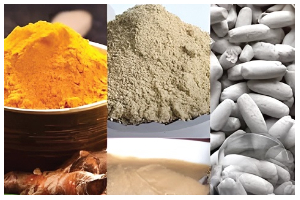
According to a report by myjoyonline.com, the assessment, which covered 1,691 samples including turmeric, cereal mixes, bentonite clay (ayilo), kohl (kajikaji), and skin-lightening creams, found contamination far above safe limits.
It noted that a health specialist with UNICEF, Dr Emmanuel Kyeremateng-Amoah, said the lead levels as high as 11,000 ppm (parts per million) were recorded in some samples, which were a hundred times above the safe limit of 20 ppm.
"Lead contamination was most prevalent in unbranded, locally produced kohl products, adding that there was a 78 percent failure rate for lead levels in the Upper East and Eastern regions.
FDA urges vigilance, warns of arrests for unsafe food sales
"For turmeric, he said there was a 42.1 percent failure rate for lead, with the Greater Accra and Central regions being the most affected and unsafe levels of lead in turmeric were prevalent in branded, packaged turmeric sold at supermarkets and retail shops", he noted.
Dr Kyeremateng-Amoah indicated that in cereal mixes such as Tom Brown, the study recorded a 29 percent failure for cadmium nationally.
Stay vigilant over food safety this Christmas' - FDA tells public to check expiry dates, packaging
Bentonite clay used for cosmetics and medicinal purposes—showed 24.6 percent failure for lead, with the most prevalent cases in the Northeast and Greater Accra regions.
He stressed the need for the health ministry to be resourced to test and diagnose lead contamination in the country.
JKB/EB
From Protests to Pushes: Parliament of Ghana's 5-year chaos record

Copyright © 1994 - 2026 GhanaWeb. All rights reserved.










