



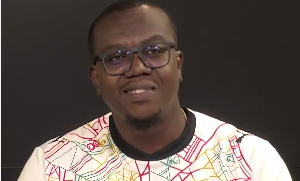
 Adams Umar Mengo is the the Head of Administration at IMaH
Adams Umar Mengo, the Head of Administration at the International Maritime Hospital (IMaH), has warned that poor mental health among maritime workers could compromise safety and productivity within Ghana’s ports and maritime sector.
He said workers experiencing emotional and psychological challenges could lose concentration, increasing the risk of mistakes in an industry where many operations require sustained attention and sound judgment.
He said this during a media forum on men’s mental health, powered by the Ghana Ports and Harbours Authority (GPHA), alongside Dr Kissi Dompreh-Ofori, the Deputy Chief Executive Officer of IMaH, and Dr Edward Amoah Boateng, Consultant General Surgeon at the hospital.
He said the human mind played a central role in determining how effectively people performed their duties, adding that workers facing mental health challenges could make errors that endangered both themselves and others.
“Once somebody has a problem up there, then the possibility of even making mistakes is high,” he said.
Mengo cited crane operations at the ports as an example, saying an operator experiencing mental health challenges could unintentionally expose co-workers and bystanders to danger.
“Apart from you, the driver or the one operating the crane, bystanders are also exposed to the dangers of whatever you are going through mentally,” he said.
Dr Boateng said workers in the maritime industry faced occupational pressures that could affect their mental well-being if left unmanaged.
He identified long working hours, shift duties, prolonged periods away from family, responsibility for expensive cargo, and hazardous working environments as some of the challenges confronting seafarers, truck drivers, and other port workers.
Dr Boateng said such conditions made it important for workers to pay attention to their mental well-being and seek support whenever necessary.
Dr Dompreh-Ofori said employers also had a responsibility to support workers through mental health education, counselling services and workplace wellness programmes.
He said creating awareness at the workplace would help employees recognise mental health challenges early and seek appropriate assistance.
“The more we speak about it, the more men become aware, and thereby it reduces their chances of getting mental health issues,” he said.
Dr Dompreh-Ofori encouraged organisations to organise wellness activities to help employees manage stress while promoting healthy lifestyles.
He urged employers to continue creating awareness and provide support for employees experiencing psychological or emotional challenges, particularly those performing safety-sensitive duties.
Watch bird's-eye view of how illegal construction on waterways is fueling Accra's flood crisis

Copyright © 1994 - 2026 GhanaWeb. All rights reserved.










