



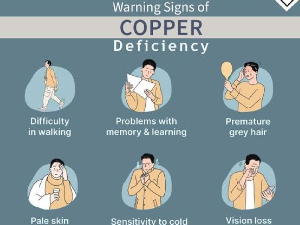
 File photo of symptoms of deficiency of copper
Copper is an essential mineral that plays a quiet but important role in several functions in the human body, including the production of red blood cells, maintenance of the nervous system and the activation of enzymes involved in hair pigmentation.
However, a deficiency can produce symptoms that are easily mistaken for stress, ageing or other common health conditions, potentially delaying diagnosis and treatment.
A recent publication by msn.com highlighted a range of symptoms associated with low copper levels, noting that prolonged deficiency may cause neurological problems that do not always fully reverse.
Adults generally require about 900 micrograms of copper daily, but factors including low dietary intake, bariatric surgery and prolonged use of high-dose zinc supplements can increase the risk of deficiency.
Here are eight warning signs to watch out for:
1. Premature grey hair
Copper is involved in activating tyrosinase, an enzyme needed for the production of melanin, the pigment responsible for the colour of hair and skin.
A copper deficiency may therefore contribute to premature greying in some people.
2. Pale skin
Copper contributes to both melanin production and the formation of red blood cells. Low levels may therefore be associated with unusually pale skin, particularly when deficiency also leads to anaemia.
3. Persistent fatigue
Unexplained and persistent tiredness can be another warning sign.
High sugar and salt intake can cause serious heart problems – Dr Okyere
A lack of copper can interfere with the formation of healthy red blood cells, potentially resulting in anaemia.
The review cited in the report identified anaemia as one of the common features of copper deficiency.
4. Frequent infections
Copper is also important for normal immune function. A deficiency can reduce levels of neutrophils, a type of white blood cell that helps the body fight bacterial infections.
Repeated or unusual infections may therefore warrant medical evaluation.
5. Tingling or numbness in the hands and feet
Copper deficiency can affect the nervous system and may cause peripheral neuropathy.
This can begin with subtle sensations such as tingling or numbness in the hands and feet and may become more pronounced if the deficiency persists.
6. Unsteady walking
Long-term copper deficiency can affect the spinal cord, resulting in a condition known as myelopathy.
This may manifest as problems with balance or coordination and difficulty walking steadily.
7. Weak bones
Copper contributes to the formation and maintenance of connective tissue, including the collagen framework that supports bones.
Rotary health screening uncovers undiagnosed conditions among Small London residents
Prolonged deficiency may therefore contribute to reduced bone strength and increase the risk of bone fragility and osteoporosis.
8. Cognitive problems and mood changes
Neurological symptoms associated with copper deficiency can resemble those seen in vitamin B12 deficiency.
Some people may experience cognitive difficulties, mental fogginess or changes in mood, which can sometimes be attributed to ageing, stress or burnout.
Why too much zinc can be a problem
Although zinc is an important mineral, taking large amounts for extended periods can interfere with copper absorption.
The two minerals compete for absorption in the digestive system, and prolonged high-dose zinc supplementation may contribute to copper depletion.
According to the information cited in the report, doses of around 50 milligrams of zinc per day or more over an extended period may pose a risk. The mechanism involves a protein called metallothionein, which can bind copper inside intestinal cells and prevent it from entering the bloodstream.
High-dose zinc products taken frequently, including some zinc lozenges, have been associated with cases of copper deficiency.
People experiencing unexplained numbness, balance problems, frequent infections or persistent fatigue that does not improve with treatment for conditions such as iron or vitamin B12 deficiency may need to speak with a healthcare professional.
Copper and ceruloplasmin levels can be assessed through blood tests. People who have undergone weight-loss surgery or have long-term gastrointestinal conditions should also inform their healthcare provider, as these factors can affect nutrient absorption.
Health professionals generally recommend avoiding high-dose mineral supplementation without medical guidance, particularly when prolonged use could interfere with the absorption of other essential nutrients.
MRA/VPO
Inside Ghana’s Abandoned Engineering Powerhouse: What Went Wrong?

Copyright © 1994 - 2026 GhanaWeb. All rights reserved.










