



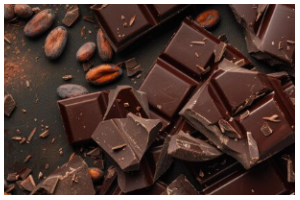
 Dark chocolate can contribute to meeting daily iron requirements
Red meat is often recommended as a source of iron, but it is not the only food that can help you meet your daily iron needs.
Several animal-based and plant-based foods contain substantial amounts of this essential mineral.
A recent article by health.com has identified seven foods that provide iron and can be included in a balanced diet.
1. Chicken liver
Chicken liver is a nutrient-rich food that provides iron, protein and several vitamins and minerals.
A 3-ounce (85-gram) serving of chicken liver contains approximately 9.86 milligrams of iron, equivalent to about 54% of the daily value.
Like other organ meats, chicken liver contains heme iron, a form of iron found in animal foods that the body generally absorbs more efficiently than the non-heme iron found in plant foods.
Chicken liver can be fried, grilled or incorporated into stews and other meals. However, it is also high in vitamin A, so it is best eaten in moderation, particularly during pregnancy.
2. Oysters
Oysters are another animal-based source of iron. A 3-ounce serving provides approximately 8 milligrams of iron, or 44% of the daily value.
They contain heme iron, which is more readily absorbed by the body than plant-based iron. Oysters can therefore contribute to meeting the body's iron requirements.
People who need more iron, including those with heavy menstrual periods, may benefit from including iron-rich foods in their diets.
Oysters should be cooked thoroughly to reduce the risk of foodborne infections associated with eating raw or undercooked shellfish.
3. Lentils
Lentils are an affordable plant-based source of iron, protein and dietary fibre. One cup provides approximately 6 milligrams of iron, or 34% of the daily value.
Although lentils contain non-heme iron, which is less readily absorbed than the iron in animal foods, they remain a useful option for people who eat little or no meat.
They can be added to soups, stews, curries and salads. Lentils can also be served with rice or other staple foods to make a filling meal.
Pairing lentils with vitamin C-rich foods, such as tomatoes, bell peppers or citrus fruits, can help the body absorb more of their iron.
4. Tofu
Tofu, made from soybeans, provides plant-based protein and iron. A one-cup serving contains approximately 6 milligrams of iron, or 34% of the daily value, although the exact amount depends on the type of tofu.
Tofu is particularly useful for vegetarians and vegans who need to obtain iron from plant-based foods.
7 drinks you should consider adding to your daily routine
Its mild flavour makes it suitable for different dishes. It can be fried, baked, sautéed or added to soups and vegetable dishes.
For better iron absorption, tofu can be eaten alongside foods rich in vitamin C.
5. Spinach
Spinach provides iron as well as folate, vitamin K and other nutrients. One cup of cooked spinach can contain approximately 6 milligrams of iron, or 34% of the daily value, depending on how it is prepared.
However, spinach contains non-heme iron and compounds called oxalates that can limit how much iron the body absorbs. Its iron content therefore does not necessarily translate into greater iron absorption than that from meat.
Spinach can be added to soups, stews, sauces and vegetable dishes. Eating it with vitamin C-rich foods, such as tomatoes, peppers or lemon juice, can help improve iron absorption.
6. Dark chocolate
Dark chocolate can provide a surprising amount of iron. A 2-ounce serving of dark chocolate containing 45% to 69% cocoa solids provides approximately 4 milligrams of iron, or 22% of the daily value.
Cocoa naturally contains iron, and dark chocolate generally provides more of the mineral than milk chocolate because it contains a higher proportion of cocoa.
However, dark chocolate can also contain substantial amounts of calories, sugar and fat. It is best enjoyed in moderate portions as part of a balanced diet.
7. Stewed tomatoes
Tomatoes are known for their vitamin C content, but concentrated tomato products can also contribute iron to the diet.
One cup of stewed tomatoes provides approximately 4 milligrams of iron, or 22% of the daily value, according to the nutritional figures cited for this serving.
Tomatoes are particularly useful because their vitamin C content can help the body absorb non-heme iron from plant-based foods eaten alongside them.
Stewed tomatoes can be incorporated into soups, sauces, stews and pasta dishes. They also pair well with lentils and other plant-based sources of iron.
JKB/VPO
“Ghana Recorded 2,000 Irregular Migrants” – Dr Mustapha Abdallah Calls for Tighter Border Controls

Copyright © 1994 - 2026 GhanaWeb. All rights reserved.










