



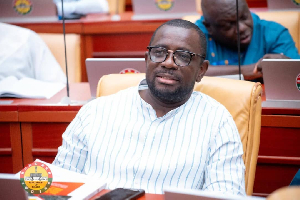
 Kennedy Osei Nyarko, the Member of Parliament for Akim Swedru
Kennedy Osei Nyarko, the Member of Parliament for Akim Swedru, has called on the government to overhaul Ghana’s outdated public transport system.
In a recent Facebook post, Nyarko expressed concern over the country’s reliance on an inefficient transportation system, primarily dominated by individual trotro operators.
Nyarko highlighted a missed opportunity to improve the transport sector, pointing out that the former Akufo-Addo administration had ordered 90 electric buses to address the ongoing transport issues in the capital.
The buses, he believes, could have played a significant role in alleviating the current transportation challenges.
However, the new government failed to take delivery of the buses, missing an opportunity to create a more efficient, sustainable transport system for the nation.
The MP emphasised that Ghana’s current transport system is no longer adequate to meet the growing needs of the population.
He argued that the future of Ghana’s transport infrastructure lies in transitioning to a more modern and corporate-run system that minimizes government intervention.
According to Nyarko, “Ghana’s population cannot continue to rely on our old transportation system, which is largely run by individuals or trotro operators. It’s time we face the reality: the current system cannot continue.”
He is now advocating for the establishment of modern transportation terminals and the development of inter and intra-city buses operated by well-established institutions, instead of the current fragmented and inefficient trotro system.
The Akim Swedru MP’s vision for the future is one where public transport is not just reliable but also sustainable and efficient.
He insists that any new transport policies should focus on replacing the existing trotro system with better alternatives that can serve the growing population while reducing congestion and pollution.
Nyarko emphasised the need for a shift in policy direction, advocating for a more corporate-driven approach to the transport sector.
He believes that this would create a sustainable and long-term solution to the country’s transport woes, ensuring that public transportation is run by credible, established institutions rather than private individuals.

Copyright © 1994 - 2026 GhanaWeb. All rights reserved.










