



 Residents say the dispute began 12 years ago over allegedly inflated bills from VRA-installed meters
Correspondence from the Eastern Region
Residents of several communities in the Asuogyaman District of the Eastern Region have renewed calls for government intervention in their longstanding electricity billing dispute with the (VRA), accusing the power supplier of unfair billing practices, unexplained deductions, and imposing accumulated debts on residents through allegedly faulty electricity meters.
The concerns were raised during a press conference addressed by Chairman of the Concerned Residents of Combine, Michael Worlanyor Kutor who said the impasse between the affected communities and the VRA has persisted for more than a decade without resolution.
The affected communities include Combine, Mangoase, Tuska, Afabeng, Akyease, New Powmu and Ganakpe, all located within the Asuogyaman District of the Eastern Region and supplied electricity directly by the VRA.
According to Worlanyor, the dispute began approximately 12 years ago after the installation of postpaid electricity meters which residents claim produced unusually high electricity bills.
He explained that many households were at the time paying between GH¢250 and GH¢286 monthly under the old metering system. However, after some of the meters were replaced following complaints and demonstrations by residents, electricity bills reportedly dropped significantly to between GH¢80 and GH¢90 monthly.
The residents argue that the drastic reduction in charges after the replacement of the meters points to faults in the original devices installed by the VRA.
“Our concern is that the debts people are being forced to pay today were created by the faulty and expired meters mounted by the VRA years ago,” Mr. Worlanyor stated.
He said the affected communities petitioned previous governments and staged demonstrations over the issue, leading to investigations by the (PURC).
However, residents claim the matter has remained unresolved despite years of engagements, technical assessments and meter accuracy checks.
According to the group, a petition submitted to the PURC in 2020 took nearly four years before officials responded with investigations and meter testing exercises.
The residents further allege that findings from some of the accuracy tests confirmed irregularities with the earlier meters used by the VRA.
Worlanyor accused the PURC of failing to decisively resolve the matter, alleging that the regulator had not acted fairly in addressing the concerns of residents.
“If PURC had judged this issue fairly, it should not have taken more than 10 years to resolve,” he said.
The residents also expressed anger over the installation of prepaid meters in some homes without prior notice while existing debts from the old postpaid meters were allegedly transferred onto the new systems.
According to them, several residents have been asked to enter payment plans for debts exceeding GH¢10,000 despite insisting the charges were generated by defective meters.
The group further alleged that even new tenants occupying some houses have been compelled to pay debts accumulated by previous occupants.
Another major concern raised by the residents was what they described as unexplained service charge deductions from prepaid purchases.
They claimed that approximately GH¢50 is deducted from prepaid credit purchases without proper disclosure or clear accounting.
Worlanyor alleged that while receipts issued to consumers sometimes indicate small balances remaining after purchases, official statements reportedly fail to reflect the service charges being deducted.
“We believe something is going wrong within the technical system and that is why we are demanding an independent investigation,” he said.
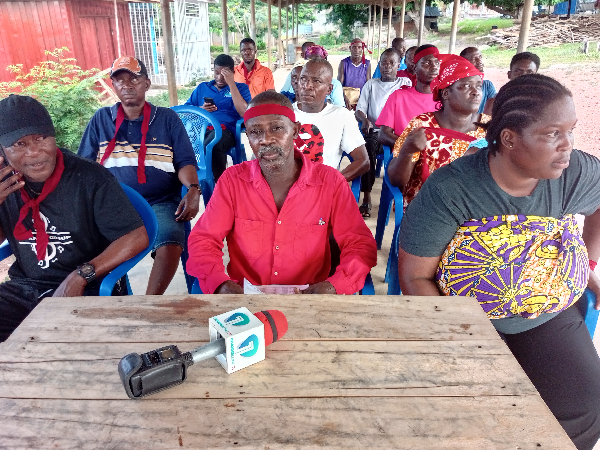
The residents are therefore calling on President John Dramani Mahama and the Ministry of Energy and Green Transition to institute an independent investigative body, excluding the PURC, to revisit the matter comprehensively.
They have also threatened to remove newly installed NEDCo prepaid meters should authorities fail to address their concerns.
Residents say the situation is negatively affecting livelihoods and businesses in the area.
Worlanyor cited a recent incident involving a guest house operator who allegedly lost electricity overnight after being unable to purchase power outside the stipulated hours set by officials.
Another resident, Richard Eshun, appealed to government to intervene urgently.
“We are worried. We want government to come in and investigate what is happening so that the people can live peacefully in the community,” he said.
An electrical engineer and resident, Godwin Amowor, questioned the uniform service charges allegedly imposed on households, businesses and larger buildings regardless of their electricity consumption levels.
He also accused the VRA of poor record-keeping and issuing receipts printed with low-quality ink that fade within days, making it difficult for consumers to keep proper records of payments.
The renewed agitation adds to years of tension between residents in the Akosombo enclave and the VRA over electricity supply and billing concerns.
The communities insist that while they acknowledge the importance of paying for electricity consumed, they cannot continue to shoulder what they describe as debts created by defective metering systems introduced by the power supplier.
As of the time of filing this report, the VRA and PURC had not publicly responded to the latest allegations raised by the concerned residents.

Copyright © 1994 - 2026 GhanaWeb. All rights reserved.










