



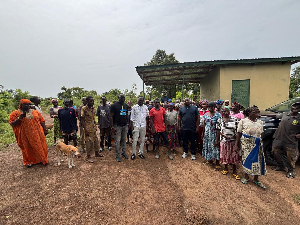
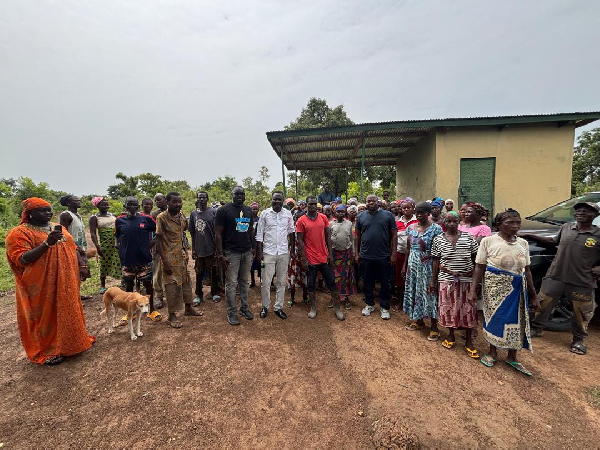
 Some of the stakeholders at the event
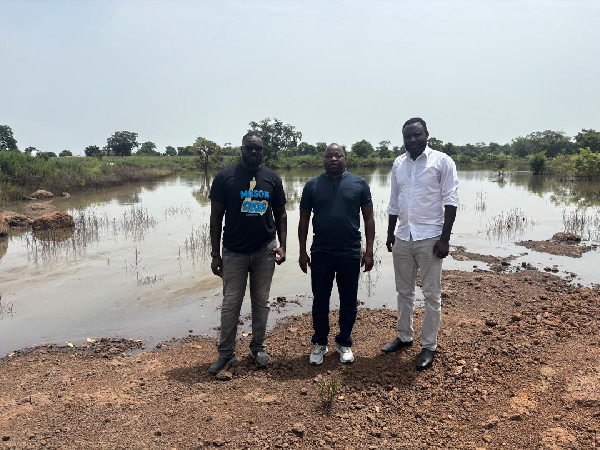
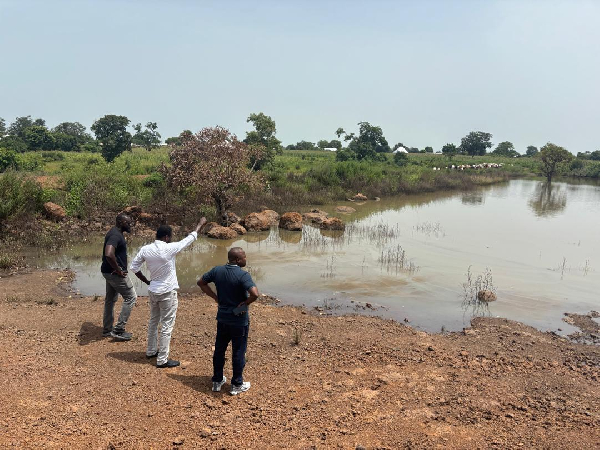
The National Coordinator of the Ghana Productive Safety Net Project 2 (GPSNP 2), Prof. Prosper B. Laari, has inspected the completed Dapuoha Small Earth Dam in the Upper West Region, highlighting its contribution to poverty reduction, water security and climate-resilient livelihoods.
The dam, constructed under the project's Labour-Intensive Public Works (LIPW) programme, has a reservoir capacity of 79,200 cubic metres, a 190-metre embankment, a maximum height of four metres and a 15-metre-wide spillway.
The intervention provided employment for 229 beneficiaries, including 150 women, with over GH¢1.06 million recorded in labour payments.
During his routine quarterly monitoring visit, some beneficiaries recounted how earnings from the project had helped them smooth household consumption, pay their children's school fees, settle medical bills, purchase farm inputs, finance land preparation and ploughing, and buy fertiliser. Others indicated that they had used part of their earnings to start petty trading, creating additional sources of household income.
Professor Laari emphasised that these experiences demonstrate how productive social protection can go beyond temporary employment to strengthen household livelihoods. The completed dam is also expected to support dry-season farming, livestock production and other economic activities, helping communities adapt to erratic rainfall and climate-related challenges.
The intervention reflects GPSNP 2's approach of moving from cash-for-work to work-for-resilience, combining employment creation, poverty reduction and climate adaptation through productive community infrastructure.
As the project approaches closure, Professor Laari underscored the importance of community ownership, effective maintenance and productive use of the dam to sustain its benefits.
He further indicated that GPSNP 2 continues to mobilise support and engage relevant stakeholders to secure the resources needed to complete the remaining small earth dams across the project's operational zones, ensuring that more vulnerable communities benefit from improved water security and sustainable livelihood opportunities.

Copyright © 1994 - 2026 GhanaWeb. All rights reserved.










