



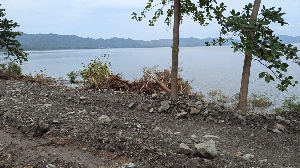
Environmental advocates have raised concern over reported large-scale destruction within critical sections of Lake Bosomtwe, Ghana’s only natural lake and a globally recognized ecological site.
According to a statement issued by A Rocha Ghana, communities along the lake, particularly Abrodwum, Adwafo, and Abaase are witnessing ongoing land clearing and other potentially harmful activities within the lake’s protected core zone.
The perpetrators of the destruction remain unidentified, raising concerns about enforcement lapses and environmental governance.
The situation is especially sensitive in Abrodwum, home to the revered Abrodwum Stone, a site of deep cultural and spiritual importance to the Asante people.
The area is integral to traditional rites, some of which are performed under the authority of the Asantehene.
Residents fear the ongoing damage not only threatens biodiversity but also undermines centuries-old cultural heritage.
Lake Bosomtwe, formed over a million years ago by a meteorite impact, is one of only a handful of such lakes worldwide. Its designation as a UNESCO Man and Biosphere Reserve in 2016 underscores its global ecological significance.
The lake supports a rich ecosystem of forests, wetlands, and wildlife, while also serving as a lifeline for over 70,000 people in nearly 30 surrounding communities who depend on it for fishing, farming, and tourism.
Environmental experts warn that destruction within the lake’s core zone; the most sensitive and protected area, could have irreversible consequences.
Already, studies have pointed to declining fish stocks, shoreline recession, and the growing impact of illegal mining activities in nearby areas.
In response to the unfolding situation, A Rocha Ghana is calling for the immediate suspension of all destructive activities, a full-scale investigation to identify those responsible, and the strict enforcement of environmental regulations governing the lake.
“The preservation of Lake Bosomtwe is not optional. It is essential to Ghana’s environmental sustainability, cultural identity, and economic well-being," the statement emphasized.
As pressure mounts on authorities to act swiftly, residents and stakeholders are urging government agencies to intervene before the damage becomes permanent.

Copyright © 1994 - 2026 GhanaWeb. All rights reserved.










