



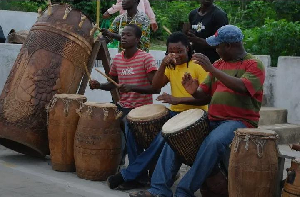
The Oguaa Traditional Council, under the leadership of Omanhen Osabarima Dr. Kwesi Atta II, in conjunction with traditional priests, sub-chiefs, and elders, has conducted the annual ritual, marking the commencement of the 21-day prohibition on drumming, noise-making, and fishing in the sacred Fosu Lagoon.
This traditional observance of spiritual rites occurred at Emitsimadze Palace on Tuesday, August 5, 2025, marking the official commencement of the Oguaa Fetu Afahye, a festival deeply rooted in rich cultural and ancestral heritage. The three-week ban seeks to invoke peace, cleanse the land, and spiritually prepare the community for the festival's climax in September.
The rites were conducted by the Traditional Priest of the Fosu Shrine, who poured libation, invoking the spirits, the ancestors, and the deity of the lagoon, seeking its protection for the people, as well as ensuring harmony and a successful celebration throughout the period.
As a result of the exercise, the Fosu Lagoon is now closed to all fishing activities, and all forms of drumming, loud music, and noise-making within the traditional area are strictly prohibited until the ban is officially lifted.
"We appeal to residents, churches, and all institutions to respect this tradition. It is not just a ritual, but a way of preserving the spiritual and cultural integrity of the Oguaa people," an elder of the Council said.
The 21-day period also serves as a time for introspection, purification and spiritual rejuvenation, culminating in the grand durbar and a series of cultural events that culminate the Fetu Afahye celebrations in the first week of September.
The Oguaa Fetu Afahye remains one of Ghana's most iconic traditional festivals, drawing thousands of visitors annually and symbolizing unity, gratitude, and communal pride.



Copyright © 1994 - 2025 GhanaWeb. All rights reserved.










