



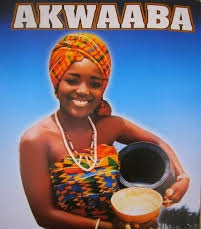
For decades, the Akwaaba picture has stood as one of Ghana’s most recognisable visual symbols, an image that greets the world with warmth, hospitality, and cultural pride. It adorns billboards, tourism brochures, airport halls, hotel lobbies, school textbooks, and international exhibitions. Yet, behind this globally celebrated photograph is a woman whose story remained largely untold for years: Angelina Nana Akua Oduro.
This is the human story behind the image that welcomed the world to Ghana.
A Moment That Became History
The iconic Akwaaba photograph was taken during a period when Ghana was intentionally positioning itself as a leading cultural and tourism destination in Africa. The image showing a young Ghanaian woman dressed in traditional attire, gracefully holding a calabash and a clay pot, pouring palm wine in a gesture of warmth and welcome, captured the very essence of Ghanaian hospitality.
What many did not know was that the woman in the photograph was Angelina Nana Akua Oduro, then a young woman whose life was far removed from the global attention the image would later command.
At the time, the photo session felt ordinary. There were no grand promises, no discussions about long-term usage, royalties, or legacy. It was simply a shoot that would later evolve into a national symbol.
From Photograph to National Emblem
As the years passed, the Akwaaba image took on a life of its own. It became synonymous with Ghana’s tourism identity, often representing the country at international fairs, cultural expos, and diplomatic events.
The photograph travelled farther than Angelina ever imagined, crossing borders, continents, and generations. Yet, while the image flourished, the woman behind it remained largely invisible.
In several instances, the photograph was reproduced, sold, and commercialised without her knowledge of its commercial value. Copies appeared in both public and private spaces, often stripped of context, credit, or acknowledgement.
A Story of Silence and Strength
Angelina Nana Akua Oduro’s story is not one of bitterness, but of quiet resilience. For years, she watched as an image of her younger self became a national asset. At the same time, she lived a modest life, disconnected from the economic and symbolic value attached to the photograph.
Her experience reflects a broader challenge within Ghana’s creative and cultural industries: the absence of structured protection for image rights, creative ownership, and fair compensation.
Like many models, creatives, and cultural contributors of her generation, Angelina was never fully briefed on usage rights, intellectual property, or the long-term implications of her participation.
Reclaiming Identity and Narrative
In recent years, Angelina has found the courage and voice to tell her story not to seek sympathy, but to reclaim her identity within Ghana’s cultural history.
Her revelation has sparked important conversations about:
Image rights and consent
Creative ownership and compensation
The ethical use of cultural symbols
The need to recognise individuals behind national icons
By stepping forward, she has helped humanise an image many took for granted, reminding the nation that behind every powerful symbol is a real person with a real story.
Beyond the Akwaaba Image
Angelina Nana Akua Oduro is more than a photograph. She is a mother, a woman of dignity, and a silent contributor to Ghana’s global image. Her story now stands as a lesson for policymakers, creatives, photographers, institutions, and brands.
It calls for:
Clear contracts and fair agreements
Respect for contributors to cultural heritage
Systems that protect creative participants from exploitation
A Symbol Reimagined
Today, the Akwaaba picture carries a deeper meaning. It is no longer just a welcoming gesture; it is a reminder of the faces, sacrifices, and overlooked contributors behind Ghana’s cultural storytelling.
By telling her story, Angelina Nana Akua Oduro has finally stepped out from behind the image that defined a nation’s welcome and into her rightful place in Ghana’s cultural narrative.

Copyright © 1994 - 2026 GhanaWeb. All rights reserved.










