



By Edwina Beverla
Information Officer, Civil Service of Ghana | Youth Advocate
In many developing countries, young people make up more than half of the population. Yet, when decisions about the future are made, their voices are often missing.
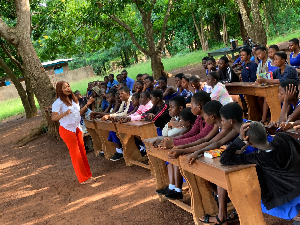
As an Information Officer in the Civil Service of Ghana and a youth advocate, I have witnessed this gap firsthand. Through community engagement, civic education, and public service, one truth stands out; young people are not disengaged they are excluded.
They are not indifferent, unprepared, or unwilling. They simply lack adequate space to participate.
I have seen young people ask bold questions, present innovative ideas, and demonstrate strong leadership potential, yet remain excluded from decision-making processes. Too often, they are treated as beneficiaries of policies rather than partners in shaping them.
A clear example is the global climate movement. For years, young people were largely absent from environmental decision-making, with policies designed without their meaningful input.
However, young activists like Greta Thunberg challenged this norm. What began as a lone protest evolved into the global “Fridays for Future” movement, mobilizing millions and compelling governments and institutions to listen.
Today, young people are no longer mere observers. They are influencing policies, shaping global conversations, and holding leaders accountable. This shift did not happen because they were invited it happened because they demanded inclusion and demonstrated their impact.
The reality is simple: when young people are excluded, development loses relevance; when their voices are ignored, innovation is stifled; and when their potential is sidelined, progress slows.
Civic education plays a vital role in building awareness and confidence, but it is not enough. We must go further by creating intentional, structured platforms for meaningful youth participation.
Youth engagement must move beyond tokenism. It must be genuine, impactful, and influential.
This raises an important question; are we creating space for young people, or speaking on their behalf without them present?
The future we are shaping must include those who will live in it.

Copyright © 1994 - 2026 GhanaWeb. All rights reserved.










