



Health Authorities Urge Parents to Embrace Mosquito Nets and Seasonal Malaria Medicines to Protect Children
As Ghana enters another rainy season, health experts are reminding parents that one of the greatest threats to children is not the insecticide-treated mosquito net or preventive malaria medicine—it is malaria itself.
The Ghana Health Service (GHS) has moved to reassure the public that the country's malaria prevention interventions remain safe, effective and scientifically proven, following concerns and misinformation circulating in some communities.
At a national media briefing, the Director-General of the Ghana Health Service, Dr. Samuel Kaba Akoriyea, reaffirmed the Service's commitment to protecting children through the nationwide school-based distribution of insecticide-treated mosquito nets (ITNs) and the 2026 Seasonal Malaria Chemoprevention (SMC) campaign.
According to health officials, these interventions have saved thousands of lives over the years and remain among the most effective tools for preventing malaria, particularly among children under five—the group most vulnerable to severe illness and death from the disease.
The school-based mosquito net distribution programme has been designed to ensure that every primary school child receives a treated net through a reliable and equitable system. Beyond protecting schoolchildren, officials say the initiative also increases household ownership of mosquito nets, helping entire families reduce their risk of malaria.
The Seasonal Malaria Chemoprevention campaign is currently being rolled out across the Upper East, Upper West, North East, Northern, Savannah, Bono East and Oti regions. The programme provides preventive malaria medicine to children aged three to 59 months during the peak transmission season, when the risk of infection is highest.
To improve efficiency and accountability, this year's campaign has introduced digital registration through the Ghana Malaria Information System (GMIS), strengthened supervision, enhanced safety monitoring and door-to-door administration by trained community volunteers.
Health experts say these improvements will help ensure that every eligible child receives the right medication while allowing authorities to monitor the programme more effectively.
One of the key concerns addressed during the briefing was the safety of insecticide-treated mosquito nets.
Responding to public anxiety, the Food and Drugs Authority (FDA) confirmed that the mosquito nets distributed in Ghana have been registered since 2008 and have undergone rigorous scientific evaluation before approval.
The Authority further explained that the nets also meet international safety standards and have been assessed by the World Health Organization, giving parents every reason to use them with confidence.
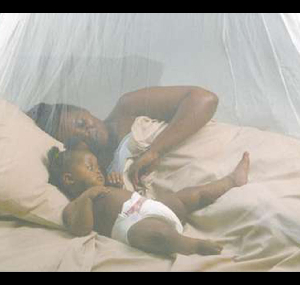
Health officials advised families to air newly received mosquito nets in a shaded area for about 48 hours before first use and thereafter ensure that children sleep under them every night.
The Ghana Education Service has also pledged its support for the campaign, recognising that malaria continues to be one of the leading causes of school absenteeism and poor academic performance among children.
Teachers are expected to reinforce malaria prevention messages in classrooms and encourage pupils to become ambassadors for healthy practices within their homes and communities.
Public health advocates believe schools provide one of the most effective platforms for promoting disease prevention because children often influence positive behavioural change within their families.
Beyond distributing mosquito nets and medicines, health authorities say combating misinformation is equally important.
False claims about malaria prevention products can discourage families from using interventions that have consistently reduced illness and saved lives. Experts are therefore urging the public to rely only on verified information from the Ghana Health Service, the Food and Drugs Authority and other recognised health institutions.
Parents and guardians also have a critical role to play by ensuring that eligible children receive preventive medicines, sleep under treated mosquito nets every night and seek prompt medical attention whenever malaria symptoms appear.
Although malaria remains one of Ghana's leading public health challenges, experts believe the disease is both preventable and treatable when communities actively participate in proven interventions.
The message from health authorities is clear: protecting children from malaria requires more than government programmes. It requires informed parents, supportive teachers, committed health workers and communities willing to reject misinformation in favour of evidence-based action.
By embracing mosquito nets, supporting seasonal malaria prevention campaigns and promoting accurate health information, every household can contribute to the national goal of reducing malaria infections and building a healthier, malaria-free Ghana.

Copyright © 1994 - 2026 GhanaWeb. All rights reserved.










